Apple Watch Ultra 2 vs WHOOP MG: 60 Days Wearing Both
Sixty days wearing an Apple Watch Ultra 2 and a WHOOP MG on the same wrist tells you things a spec sheet never will. Both devices sit at the top of their respective categories, but they are built around completely different philosophies: one is a smartwatch that tracks fitness, the other is a pure recovery and readiness sensor with no screen.
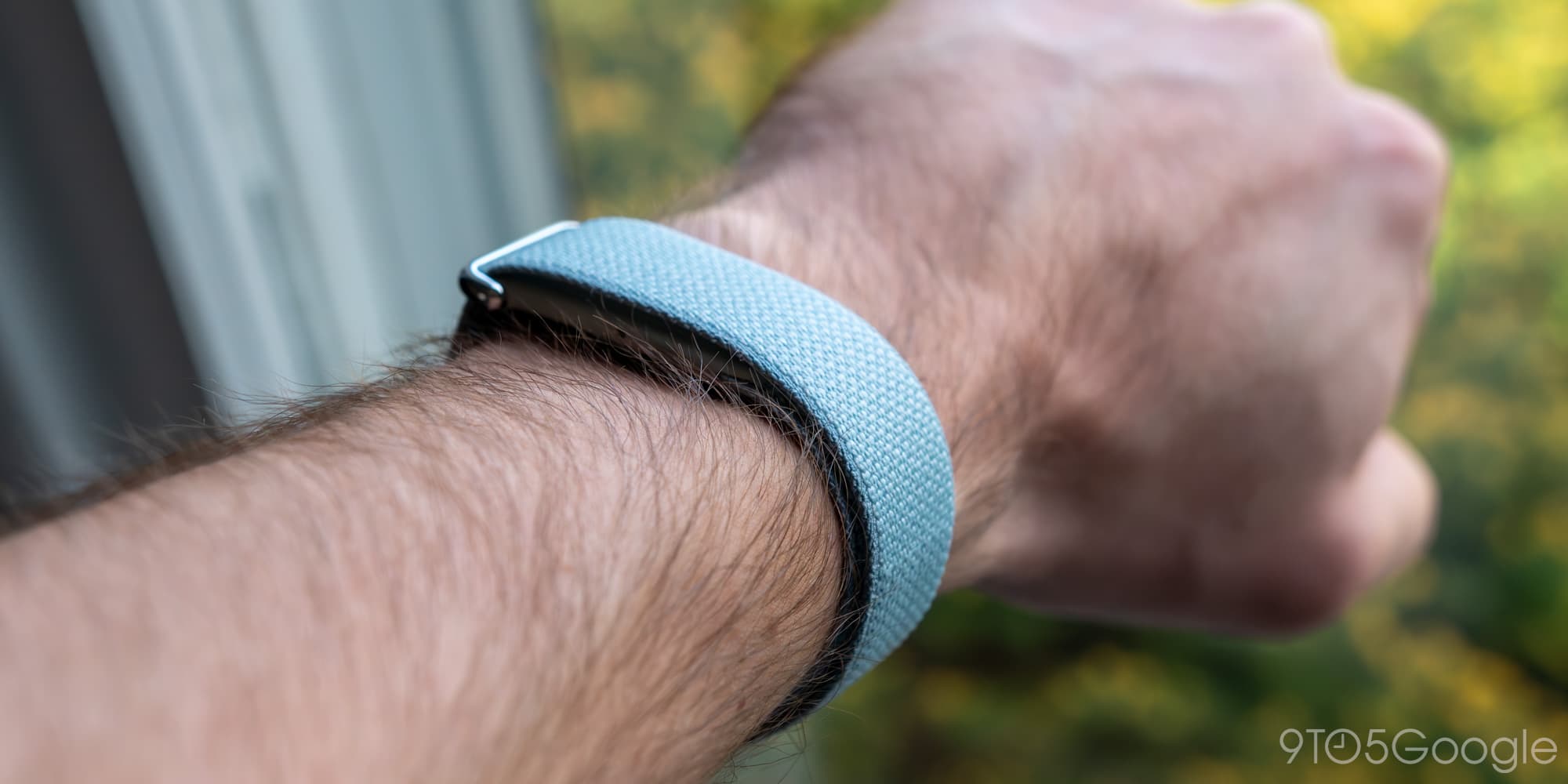
WHOOP leans hard into strain, recovery, and sleep coaching. Its HRV tracking and sleep staging are among the most detailed you will find outside of a Polar H10 chest strap setup. The MG adds health markers like blood pressure trend and ECG, but the core value is still the daily recovery score that tells you whether to push or back off. Athletes coming from Garmin or Coros will find the strain model unfamiliar at first: WHOOP measures cardiovascular load, not training load tied to GPS and pace zones.
Apple Watch Ultra 2 wins on breadth. GPS accuracy, workout detection, real-time pace and power, watchOS app ecosystem, and the ability to actually glance at your data mid-run without pulling out your phone. For triathletes and trail runners who need reliable multisport tracking, the Ultra 2 is still the more complete tool. Its sleep tracking has improved a lot since watchOS 10, but it still trails WHOOP MG in granularity and consistency.
The honest comparison comes down to what you optimize for. WHOOP charges a subscription (around 30 dollars per month or 239 dollars per year for MG), has no display, and does one thing extremely well: telling you how recovered you are. Apple Watch Ultra 2 costs 799 dollars upfront, does twenty things well, and is the better daily driver if you live outside the gym too.
Wear both if your budget allows. If you have to pick one, endurance athletes training by feel and chasing recovery metrics will get more signal from WHOOP. Everyone else, stick with the Ultra 2.
Mentioned watches
Head-to-head comparisons
Buying guides