Fitbit Air AI Coach Hallucinations: Real Problem for Athletes
Google's Fitbit Air landed in 2026 as a direct shot at Whoop: minimalist band, no screen, pure data collection via PPG optical sensors on the wrist. The pitch is clean. Wear it, let it gather heart rate, SpO2, and sleep data, then let the AI coach tell you what to do next. Early reviewers confirm the hardware comfort is genuinely good. That part works.
The AI coach is the problem. Hallucinations in a fitness context are not a quirky chatbot bug. They are bad training advice delivered with confidence. If your recovery score says 34% and the AI tells you to hammer a threshold session instead, that is not a minor UX glitch. For a triathlete or Hyrox athlete making daily load decisions, wrong guidance is worse than no guidance.
Whoop 5.0 has been doing this longer and its coach is more conservative, which is the safer design choice. Polar's Daily Energy breakdown and Garmin's Body Battery both stay in their lane: they show you numbers, let you interpret. Google is swinging for more, yet Gemini-powered coaching needs a longer runway before endurance athletes should trust it over their own perceived exertion.
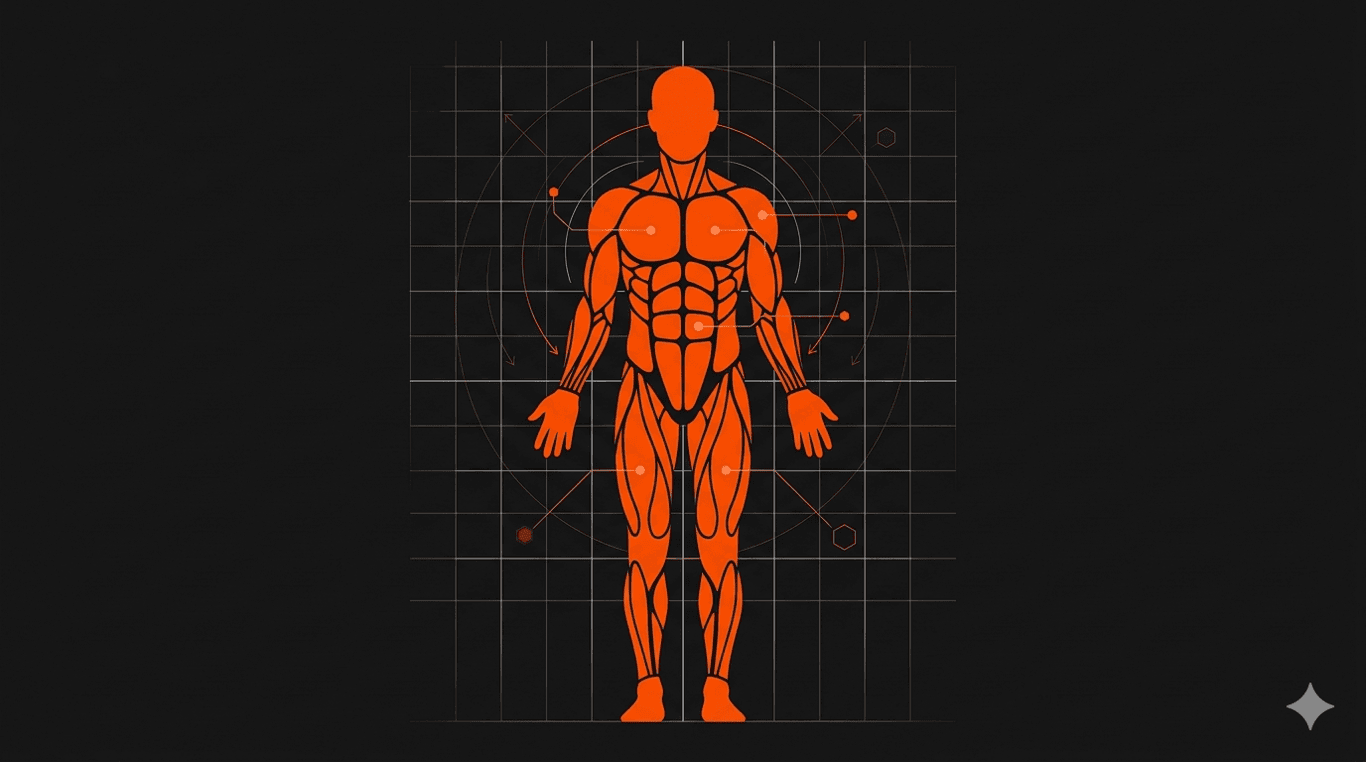
Strava's parallel move into strength tracking with 14 device integrations including Garmin and Coros adds context here. The wearable ecosystem in 2026 is clearly pushing toward interpretation, not just data collection. Auto-populated muscle maps and AI recovery coaching sound compelling. The execution gap between the pitch and reliable output is still wide across the board.
Fitbit Air is comfortable hardware built around a concept that needs more time in development. Check back in six months of firmware updates before letting it coach your race build.
Mentioned watches
Head-to-head comparisons