Fitbit Edge Adds Altimeter and Brighter AMOLED Display
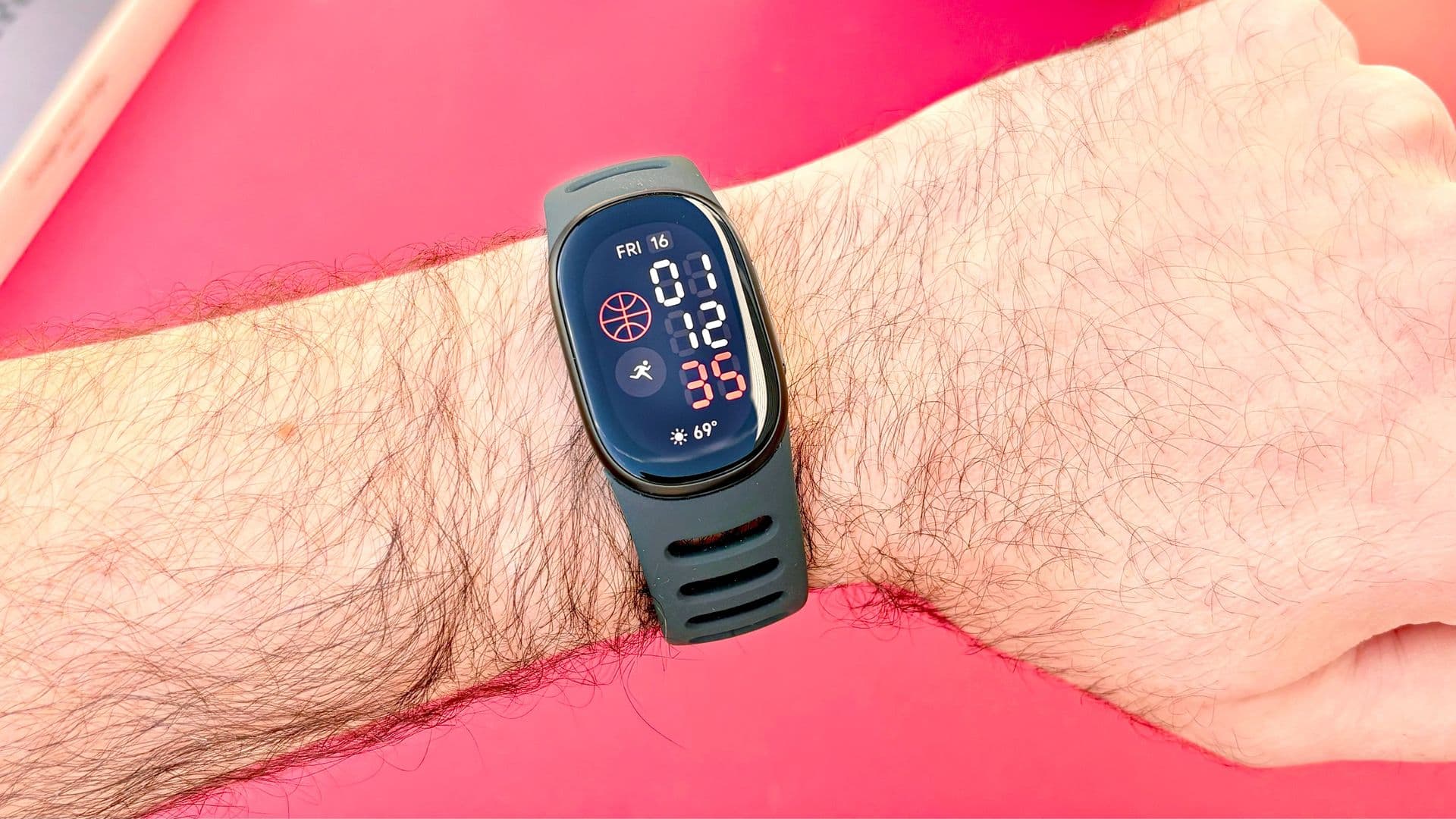
The Fitbit Edge arrives in October 2026 as the long-awaited replacement for the Fitbit Charge 6, bringing the two upgrades endurance-minded athletes will care about most: onboard GPS and a barometric altimeter for elevation tracking. At $179, it is a compact tracker rather than a serious sports watch, but Tom’s Guide found accurate climb data, a much brighter screen and battery life that exceeded the claimed seven days even with daily GPS workouts.
Better for hills, easier to read
The altimeter is the Edge’s clearest sporting win over the Charge 6. GPS uses satellites to establish location, while the barometric altimeter measures air pressure to track changes in elevation. That means the Edge can finally report climbing data that its predecessor did not offer. In Tom’s Guide’s hilly Seattle walk, it logged 183 feet of climb against Strava’s 187 feet. Steps were almost identical too, though its recorded distance and pace diverged more.
For runners, hikers and cyclists who train on rolling routes, that is a practical upgrade rather than a spec-sheet extra. We would take reliable elevation over the outgoing model’s contactless payment support every time. The 1.34-inch AMOLED display should also be far more usable outside, with 1,000 nits of maximum brightness versus roughly 450 nits on the Charge 6. A real physical button replaces the older haptic-style control. Small change. Better daily experience.
The Edge supports more than 50 workout types and has automatic detection for some activities, including walks and runs. Do not build your interval sessions around it, though. Tom’s Guide says detection requires 15 consecutive minutes of activity and is hit or miss. That is a poor fit for run-walk training, short repeats or a Hyrox-style session where the work changes constantly. For a closer look at the wider Fitbit positioning, see our [Fitbit Edge review](/en/articles/google-fitbit-edge-review-strong-tracker-awkward-middle-ground-2026-10-26).
Health depth without smartwatch clutter
Fitbit’s traditional strengths remain here: detailed sleep reports, a Readiness Score, heart-rate variability, skin temperature, breathing metrics and optical blood oxygen saturation, or SpO2. Its wrist heart-rate sensor uses PPG, reading changes in blood volume with light, while the Edge also includes ECG hardware. Google’s Health Guardian features include high and low heart-rate alerts, breathing emergency alerts and loss of pulse detection, according to Tom’s Guide.
The subscription line is clear. Google Health Premium costs $9.99 per month or $99 per year, and gates personalized AI-backed trend reports, training tips and plans, plus insulin-resistance and blood-pressure trend reports. The Edge includes a three-month trial. We like the prospect of adaptive guidance, but core training data should stand on its own, and the Edge seems most compelling before Premium becomes a recurring decision.
What is missing is equally clear. There are no real smart features beyond mirrored notifications and music controls, and NFC is gone, so no contactless payments. The Edge is 50-meter water resistant, but this is framed for surface-level swimming rather than a multisport-focused triathlon device. Athletes who need richer navigation, extensive training tools or a true smartwatch experience will still look elsewhere. Even Fitbit’s auto-detection needs work.
Verdict: the Fitbit Edge is a strong choice for runners, walkers, hikers and everyday athletes who want GPS, credible elevation data, sleep insight and long battery life in a small band. It is a cleaner training tracker than the Charge 6, especially on hills, but it is not the watch we would choose over a dedicated endurance model for complex racing and structured multisport training.
Mentioned watches