Garmin CIRQA Launch: Sold Out, Accuracy Problems, Bugs Mapped
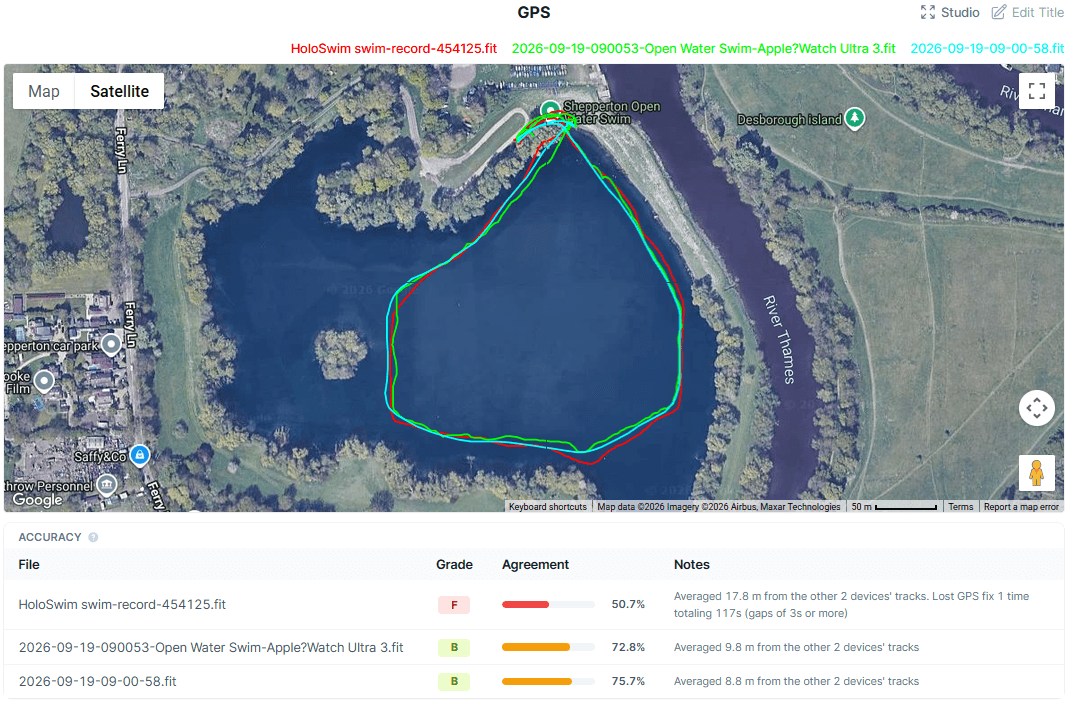
Garmin's CIRQA screenless recovery band launched to immediate sellout demand, then promptly failed two independent accuracy tests within weeks. That combination tells you a lot about where the wearable market is in 2026: appetite for a Garmin-branded WHOOP alternative is real, but the hardware and software weren't ready for prime time. Context matters here: Garmin posted record Q2 2026 revenue while its Fenix division continued its slow decline, meaning CIRQA is clearly part of a strategic push into the subscription-driven recovery tracking space.
Sensor Setup and What CIRQA Actually Measures
CIRQA uses a PPG optical sensor on the inner band surface to measure blood volume changes at the wrist, deriving heart rate, HRV, and SpO2 estimates from reflected light patterns. This is the same fundamental approach as WHOOP 5.0, Polar LOOP, and the optical sensor on any Garmin Fenix 9 or Coros Vertix 3. It is not electrical signal detection like a chest strap. The accuracy problems flagged in post-launch testing are almost certainly tied to how CIRQA's algorithms process that raw PPG signal during sleep and low-movement recovery windows, which is exactly when clean HRV readings matter most. Garmin's own Elevate V5 optical sensor performs well on the Forerunner 965 and Fenix 8, so the CIRQA issues appear to be band-specific, likely related to fit geometry and sampling frequency rather than fundamental sensor quality.
HRV accuracy at rest is the core job of any recovery band. WHOOP 5.0 quotes 99% correlation to ECG chest straps in its own validation studies, a number that independent labs have partially confirmed for overnight averages. Polar LOOP leans on Polar's decades of optical HRV work and generally scores well in third-party tests. CIRQA's two failed accuracy tests at launch put it behind both at a moment when it can least afford it. Our detailed breakdown of how CIRQA stacks up against WHOOP, Polar LOOP, and three other bands is worth reading before buying: [Garmin CIRQA vs WHOOP vs Polar LOOP vs Fitbit Air vs Helio Strap Pro](/en/articles/garmin-cirqa-vs-whoop-vs-polar-loop-vs-fitbit-air-vs-helio-strap-pro-2026-comparison-2026-08-14).
Software Bugs and Connect+ Dependency
Beyond accuracy, CIRQA shipped with a mapped set of software bugs that the5krunner community has been cataloguing since launch. The most significant friction point is the device's dependency on Garmin Connect+, the paid subscription tier, for core recovery score functionality. Strip that away and CIRQA becomes a basic sleep tracker with limited standalone value, which is a meaningful design decision compared to WHOOP's model (subscription-first by design) and Polar LOOP (no paywall for core metrics). If you want the full picture on battery behavior and exactly what Connect+ unlocks versus locks, see our explainer: [Garmin CIRQA Battery Life and Connect+ Dependency Explained](/en/articles/garmin-cirqa-battery-life-and-connect-dependency-explained-2026-08-08). The firmware situation is fluid right now across multiple brands, not just Garmin; the [August 2026 firmware bugs roundup](/en/articles/garmin-wahoo-suunto-firmware-bugs-august-2026-roundup-2026-08-15) covers the broader landscape.
For a triathlete or Hyrox athlete using CIRQA as a daily readiness tool, the workflow looks like this: wear it overnight, check your recovery score in the morning, decide whether to push a threshold swim or dial back to Zone 2. That loop only works if the HRV and sleep staging data is trustworthy. Right now, for CIRQA, it isn't consistently. A Garmin Forerunner 965 or Fenix 8 in airplane mode overnight will give you Body Battery and HRV Status readings that have a longer track record of real-world validation. CIRQA needs to earn that trust through firmware updates, and Garmin has the engineering depth to deliver them.
What the Fenix 9 Tease Means for CIRQA
Garmin teased the Fenix 9 lineup alongside the CIRQA launch window, with September 2026 now looking like the likely release cluster for Fenix 9 and potentially Enduro 4. Full regulatory filing analysis is here: [Garmin Fenix 9 and Enduro 4: Filing Evidence, Variants, Likely Dates](/en/articles/garmin-fenix-9-and-enduro-4-filing-evidence-variants-likely-dates-2026-08-08). The Fenix 9 will almost certainly carry Elevate V6 or a refined version of V5, a barometric altimeter for elevation tracking via air pressure changes, and multi-band GPS. None of that hardware competes with CIRQA directly, but it matters for the ecosystem argument: Garmin wants you to train on a Fenix 9 and recover with a CIRQA band, feeding everything into Connect+ for a unified load-versus-readiness picture. That vision makes sense on paper.
What's missing or disappointing is straightforward to list. CIRQA failed accuracy tests it should have passed before shipping. The Connect+ paywall for core features will frustrate athletes who already pay for Garmin's ecosystem. There's no swim tracking or water-resistance clarity on par with WHOOP 5.0's 10ATM rating. And the bug map is longer than it should be for a first-party Garmin product. The sellout demand shows athletes want this product to exist; the post-launch problems show it wasn't finished.
Buy CIRQA if you're deep in the Garmin ecosystem, comfortable waiting for firmware fixes, and willing to pay for Connect+. At its current price point it sits above WHOOP's entry tier but below the Polar LOOP plus H10 chest strap combo for serious HRV tracking. If accuracy right now matters more than ecosystem integration, WHOOP 5.0 or Polar LOOP is the safer call today. Check back in three firmware updates.
Mentioned watches
Head-to-head comparisons
Buying guides