Garmin Fenix 9 vs Fenix 9 Pro: Hardware Differences Confirmed
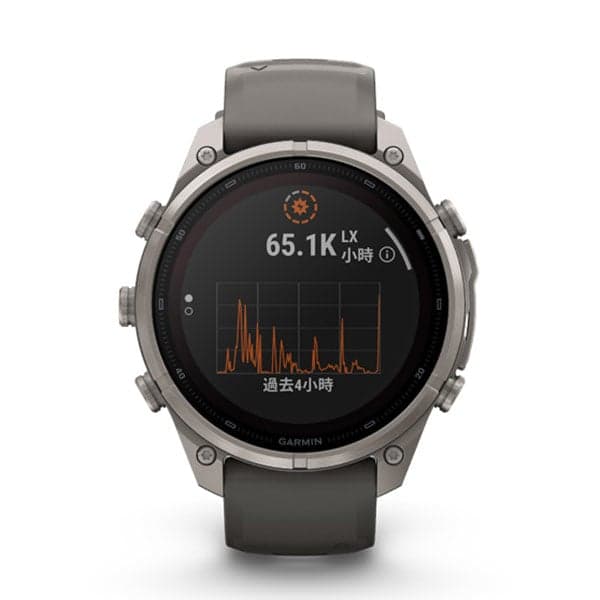
Garmin has officially confirmed the Fenix 9 and Fenix 9 Pro, and the hardware gap between the two models is narrower than you might expect. Both watches get 64GB of storage, a brighter display, and the same optical PPG heart rate sensor array on the wrist. The meaningful separators are a titanium case on the Pro, a newer processing chip confirmed by DC Rainmaker, and a price premium that will push the Pro well above the standard model.
What the Hardware Specs Actually Mean
The shared heart rate sensor matters more than it sounds. Garmin kept the same optical PPG module across both models, which means blood volume pulse readings, SpO2 via optical light, and all downstream metrics like HRV and body battery draw from identical raw data. If you were hoping the Pro would unlock better optical accuracy, it won't. The GPS chipset is also unchanged across the two variants, so multiband satellite acquisition performance should be identical in the field. Where the Pro chip upgrade could show real-world benefit is in faster map rendering, quicker workout saves, and potentially more headroom for future software features.
The 64GB storage is a legitimate upgrade for athletes who carry offline maps for ultra-distance events or store music locally. The Fenix 8 topped out at 32GB, which felt tight if you ran detailed topo maps alongside a full music library. Coros Vertix 3 ships with 32GB too, so Garmin is pulling ahead on that spec. The brighter display will matter most for cyclists in direct sunlight, where even the Fenix 8's screen could wash out at peak intensity.
Fenix 9 Pro: Titanium Case and Chip Upgrade
The titanium case on the Pro is not just cosmetic. Titanium runs lighter than stainless steel and resists scratching better than aluminum, so for daily wear athletes who want a dress-to-training watch, it is the right call. The Fenix 8 Titanium already proved the formula works. Polar Grit X2 Pro also uses titanium, but Garmin's larger ecosystem and training load metrics still give it an edge for serious endurance athletes. The newer chip is where things get interesting. Garmin has not published exact specifications, but DC Rainmaker's confirmation of a distinct processor in the Pro suggests Garmin is tiering its lineup more aggressively, similar to how Apple separates the standard Watch Series from the Ultra.
For triathletes and Hyrox athletes specifically, the processing headroom could mean faster transitions between sport profiles and smoother real-time map overlays during bike legs. That said, the standard Fenix 9 with 64GB and the updated GPS should handle 99% of training and race-day needs just fine. The Pro chip is future-proofing more than a present-day necessity.
Software Updates Extend to Older Watches
Here is the detail that matters most if you already own a Fenix 8, Forerunner 970, or Forerunner 570. Garmin has confirmed that Fenix 9 software features, including Epic activity recording, Stamina zones, rucking profiles, and rowing updates, will roll out to existing supported watches. That is a meaningful commitment. You do not need to spend $900 on a new watch to get the training analytics upgrade. If you are sitting on a Fenix 8 and debating an upgrade, read our [Garmin Fenix 9 vs Fenix 8 comparison](/en/articles/garmin-fenix-9-vs-fenix-8-which-model-should-you-buy-2026-08-25) before pulling the trigger, because the software gap is closing fast.
Stamina zones in particular are something runners and cyclists will actually use daily. Garmin's stamina metric estimates remaining aerobic capacity in real time using GPS pace data, heart rate from the optical sensor, and training load history. Coros has a similar endurance score but updates less frequently during activity. Whoop 5.0 does not offer real-time stamina during workouts at all, which is a structural limitation of its form factor.
What Is Missing or Disappointing
No upgrade to the optical heart rate hardware is the headline disappointment. Wrist PPG accuracy during high-cadence intervals, CrossFit WODs, and open-water swimming is still the weak point for Garmin optical sensors. A chest strap using electrical ECG signals remains the gold standard for accurate beat-by-beat data in those conditions, and nothing in the Fenix 9 lineup changes that reality. The lack of published chip specifications from Garmin also makes it impossible to quantify the Pro's performance advantage right now. We will need a teardown, which The5kRunner has flagged as pending, before drawing firm conclusions. The [launch day website outage](/en/articles/garmin-website-down-during-fenix-9-launch-what-happened-2026-08-26) did not help Garmin's credibility on a big release day either.
The standard Fenix 9 is the watch for most endurance athletes: 64GB storage, updated software, multiband GPS, and the same proven optical sensor at a lower price than the Pro. The Fenix 9 Pro earns its premium if titanium construction and the newer chip matter to you, or if you want the longest possible software support window. Fenix 8 owners who race clean events and train consistently can wait for the software update and skip the hardware upgrade entirely. If you are coming from a Coros Vertix 2S or Polar Grit X2 Pro and want Garmin's deeper training ecosystem, the standard Fenix 9 is the entry point worth considering.
Mentioned watches
Head-to-head comparisons
Buying guides