Garmin Forerunner 70 Review: GPS, Battery, and Real-World Results
The Garmin Forerunner 70 lands at $249.99 / £219.99, making it the cheapest entry point into Garmin's full physiology stack. That means you get body battery, HRV status, training readiness, and sleep tracking on a watch that costs less than a Polar Pacer Pro. For athletes who want Garmin's ecosystem without spending Fenix money, this is the obvious first look.
GPS and Sensor Performance
The Forerunner 70 runs single-frequency GPS, and in testing across a parkrun, a 10-mile road run, and a 63km ride, it produced the best single-frequency accuracy the reviewer had ever recorded. That's a strong claim. Single-frequency is not multi-band, so you're not getting the satellite redundancy of the Fenix 9 Pro or Forerunner 970, but for open-sky running and cycling the gap is smaller than the spec sheet suggests. The optical PPG sensor on the wrist uses light to read blood volume changes for heart rate, the same technology Polar, Coros, and Apple use. Pair it with a chest strap for ECG-based electrical accuracy in hard intervals and you're covered.
The full physiology stack pulls in wrist optical data around the clock for resting HRV and SpO2 readings overnight. SpO2 uses optical sensors, same principle as the PPG but measuring light absorption across two wavelengths to estimate blood oxygen saturation. It's not medical grade, but it's the same approach Garmin uses on the Fenix 8 and Forerunner 265. At this price point, having it at all is worth something.
How It Compares to the Competition
At $249.99, the Forerunner 70 sits below the Coros Pace 3 ($229) and above the basic Polar Pacer ($199). The Coros has longer battery life and dual-frequency GPS. The Polar Pacer has cleaner training load tools. Neither carries the depth of Garmin's physiology metrics. Whoop 5.0 costs a subscription and gives you no GPS at all. For a triathlete or runner who wants one device that does everything from daily HRV tracking to race GPS, the Forerunner 70 is the most complete package at this budget tier.
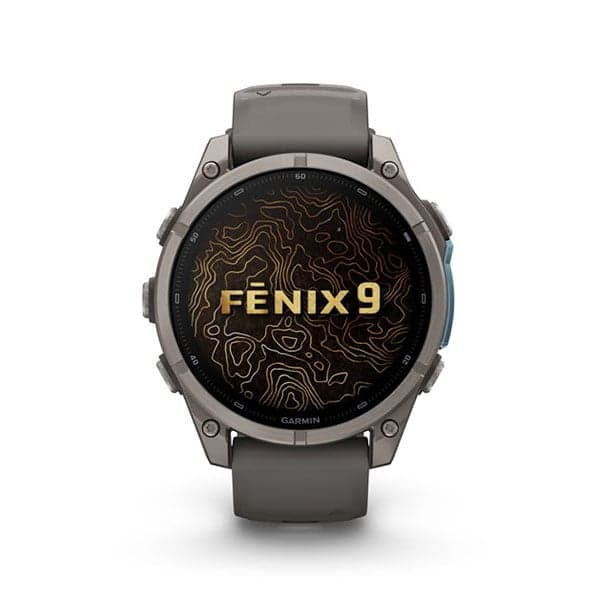
The Forerunner 70 also sits inside an ecosystem that now includes the Fenix 9 Pro at the top, which currently leads WristBench, a public Connect IQ benchmark for Garmin watches, as the fastest Garmin ever made. That matters because Connect IQ apps, training widgets, and data fields you buy or download today will scale across the range. If you upgrade from a Forerunner 70 to a [Fenix 9 Pro](/en/articles/garmin-fenix-9-vs-fenix-9-pro-hardware-differences-confirmed-2026-08-28) in two years, your apps come with you.
Real Athlete Use Cases
For running, the Forerunner 70 covers the basics well. Pace, distance, cadence, heart rate, and structured workouts all work cleanly. The training readiness score integrates sleep quality, HRV, and recent load, which is genuinely useful for runners managing a build phase. Cyclists will notice the absence of cycling dynamics, power meter support needs checking against final specs, and the single-frequency GPS means some technical routes may show drift. Swimmers get basic pool tracking. It's not a triathlon watch at this price, but it covers the run and ride sides of training honestly.
Recovery tracking is where Garmin's stack earns its keep compared to cheaper options. Body battery uses a combination of HRV, stress, and activity data to give a 0-100 score that most athletes find reliable enough to act on. It's not as detailed as Whoop's recovery breakdown, but Whoop costs $30 a month and doesn't show you where you ran. The Forerunner 70 does both in one device for a one-time fee.
Resale value is worth factoring into the total cost calculation. A recent eBay study found Garmin retains an average of 69% of its value after six months, beating Apple Watch Ultra and Samsung Galaxy Watch. That's relevant if you plan to upgrade in 12-18 months. A Forerunner 70 bought today at $249.99 could realistically sell for $170 next year, which changes the effective cost of ownership significantly compared to an Apple Watch SE.
The weak point is battery life, and the sources are direct about it: battery is where the Forerunner 70 falls down. The exact hours aren't specified, but if you're planning ultra-distance events or multi-day adventures, look at the [Forerunner 170](/en/articles/garmin-forerunner-170-review-real-gps-and-battery-results-tested-2026-08-28) or Coros Pace 3 instead. For daily training and races up to marathon distance, it's probably fine. For anything longer, it's a genuine limitation you need to plan around. No multi-band GPS is the other concession you make at this price.
Buy the Forerunner 70 if you want Garmin's full physiology ecosystem at the lowest possible entry price and your races don't exceed five or six hours. It's the right choice over a Polar Pacer Pro if you value training readiness and HRV tools, and over a Coros Pace 3 if ecosystem depth matters more to you than raw battery life or dual-frequency GPS. At $249.99, nothing else from Garmin gets you this close to the full feature set. Check the [latest firmware notes](/en/articles/firmware-updates-week-august-29-2026-garmin-amazfit-hammerhead-samsung-2026-09-02) before you buy, as Garmin has been active on updates across the range in recent weeks.
Mentioned watches
Head-to-head comparisons
Buying guides