Garmin Q3 2026 Update: Eight New Features Across Watches and Edge Computers
Garmin's Q3 2026 firmware rollout is live and free, adding eight new features across its current lineup of smartwatches and Edge cycling computers. The headliners are hands-free voice control and fall detection, two additions that push Garmin deeper into everyday safety and usability territory. Coverage is not uniform across devices, so your model matters a lot here.
Voice Control and Fall Detection: What They Actually Do
Hands-free voice control lets you interact with your watch without touching the screen, useful mid-run or mid-ride when wet gloves or sweaty fingers make touchscreens annoying. Fall detection works via the accelerometer, identifying impact signatures consistent with a fall and triggering an emergency contact alert if you don't respond within a set window. This is not new tech for the industry, Apple Watch has had fall detection since Series 4, but Garmin deploying it across a broader fitness-focused range makes it more relevant for trail runners and cyclists who train alone.
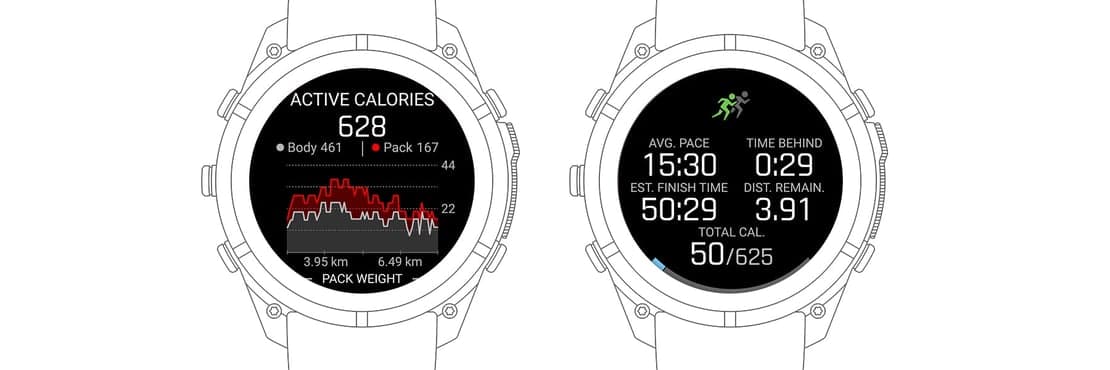
The six additional features beyond voice and fall detection span rucking improvements, training metrics, and cycling computer updates for Edge devices. The rucking update is confirmed to be part of the wider fenix 9 launch ecosystem, adding six specific sub-features to the rucking activity profile. If you've been following the [fenix 9 hardware announcements](/en/articles/garmin-fenix-9-vs-fenix-9-pro-hardware-differences-confirmed-2026-08-28), this firmware layer fills in some of what was teased during the launch event.
Feature Coverage by Model: Not Everyone Gets Everything
This is where things get frustrating. Coverage ranges from six out of eight features on the top-tier devices down to just one on older or entry-level hardware. Garmin has always tiered its rollouts this way, and it's a legitimate complaint from the community. If you're on a Forerunner 265 or older Venu, don't expect to unlock the full list. The fenix 8, Forerunner 970, and Edge 1050 are likely in the top tier, though exact model-by-model breakdowns are still filtering through. Check our [August 28 bug roundup](/en/articles/garmin-fenix-8-edge-840-forerunner-970-bug-roundup-august-28-2026-2026-08-28) for early firmware stability reports, because new rollouts and new bugs often travel together.
For cyclists on Edge computers, the update brings refinements that pair with the [rowing FTP and stamina curve features](/en/articles/garmin-stamina-curve-epic-and-rowing-ftp-three-features-explained-2026-08-26) that landed earlier this quarter. The pattern here is clear: Garmin is building out a more connected training ecosystem across disciplines rather than dropping isolated novelty features. That's a better strategy than it sounds.
How This Compares to the Competition
Coros pushed a significant firmware update earlier in 2026 adding vertical oscillation metrics and expanded sleep staging via its optical PPG sensor. Polar's Ignite 4 has had voice shortcuts since launch. Whoop, by contrast, stays firmly in the recovery-only lane with no navigation or GPS features at all. Apple Watch Ultra 2 has voice control and fall detection baked in from day one, but its triathlon and multisport tracking still lags behind what Garmin offers natively. Where Garmin wins is depth: structured workouts, GPS satellite accuracy via multi-band, barometric altimeter-based elevation data, and now a growing feature set that updates existing hardware rather than forcing new purchases.
For Hyrox and CrossFit athletes specifically, the rucking profile updates are worth attention. Rucking is increasingly common in functional fitness training blocks, and having dedicated metrics rather than shoehorning it into a generic cardio activity improves data quality. The electrical impulse data from a paired chest strap like the HRM-Pro Plus will give you cleaner heart rate during rucking than wrist-based optical PPG, especially under a weighted pack where arm movement is restricted.
What's Missing or Disappointing
Eight features sounds like a lot until you realize two of them (voice control and fall detection) are catch-up plays against Apple, and the remaining six are spread thin across different device categories. There's no mention of improved optical sensor algorithms, no update to sleep tracking accuracy, and the coverage disparity between models feels arbitrary in places. Garmin hasn't confirmed a full rollout timeline, and some users are reporting the update is staged rather than simultaneous, which means waiting.
Bottom line: if you're on a fenix 8, Forerunner 970, or Edge 1050, this is a meaningful free upgrade worth installing once the initial bug wave settles. If you're on mid-tier hardware, temper expectations. For athletes considering a new purchase, the [Forerunner 170 review](/en/articles/garmin-forerunner-170-review-real-gps-and-battery-results-tested-2026-08-28) shows what the entry-level tier looks like right now. The Q3 update reinforces Garmin's ecosystem approach, which beats Polar on depth and beats Apple on endurance sport specificity. Not perfect. But solid enough to stay the default choice for serious multisport athletes.
Mentioned watches
Head-to-head comparisons
Buying guides