World Triathlon Brings Hyrox Under Hybrid Racing

World Triathlon announced an agreement with Hyrox on 28 October 2026 that puts the fitness-racing brand on a pathway through national federations and, potentially, towards Brisbane 2032. It does not make Hyrox an Olympic sport. It does give World Triathlon’s 177 national federations the right to host Hybrid Racing events and age-group championships across three formats. For athletes, this is bigger than a governance reshuffle: Hyrox may soon have a club-to-championship ladder that looks far more like triathlon.
The existing eight 1 km run, eight-station race becomes Ultimate. Two formats join it: Fast, a shorter high-intensity race, and Ultra, aimed at longer endurance efforts. The5kRunner argues Fast is the key format because standard Hyrox commonly takes first-timers 1.5 to 3 hours, a hefty commitment for gym athletes who might happily return for something shorter. That logic tracks. A repeatable entry-level race is what turns a one-off challenge into a local racing scene.
A clearer race pathway, and more demand for data
World Triathlon will govern and sanction Ultimate, Fast and Ultra, while Hyrox will jointly develop the formats and run elite Ultimate championships. National federations can stage all three, and the Spanish Triathlon Federation has already started a four-race Hyatlón circuit. The names are messy for now: World Triathlon renamed its discipline from Fitness Racing to Hyathlon in February 2026, while this agreement calls it Hybrid Racing. Athletes care more about clear rules and good events than branding, but organisers need that issue settled fast.
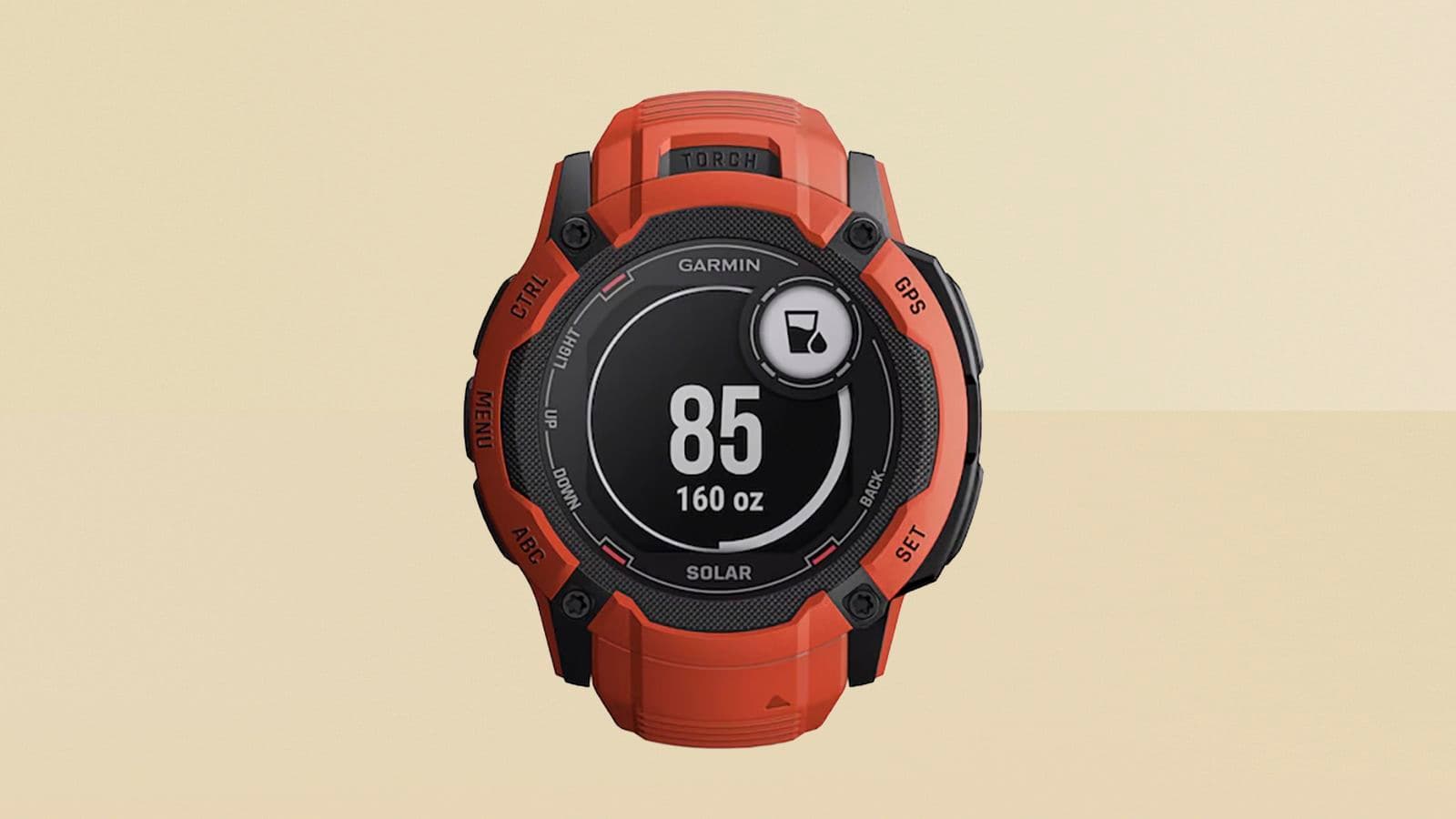
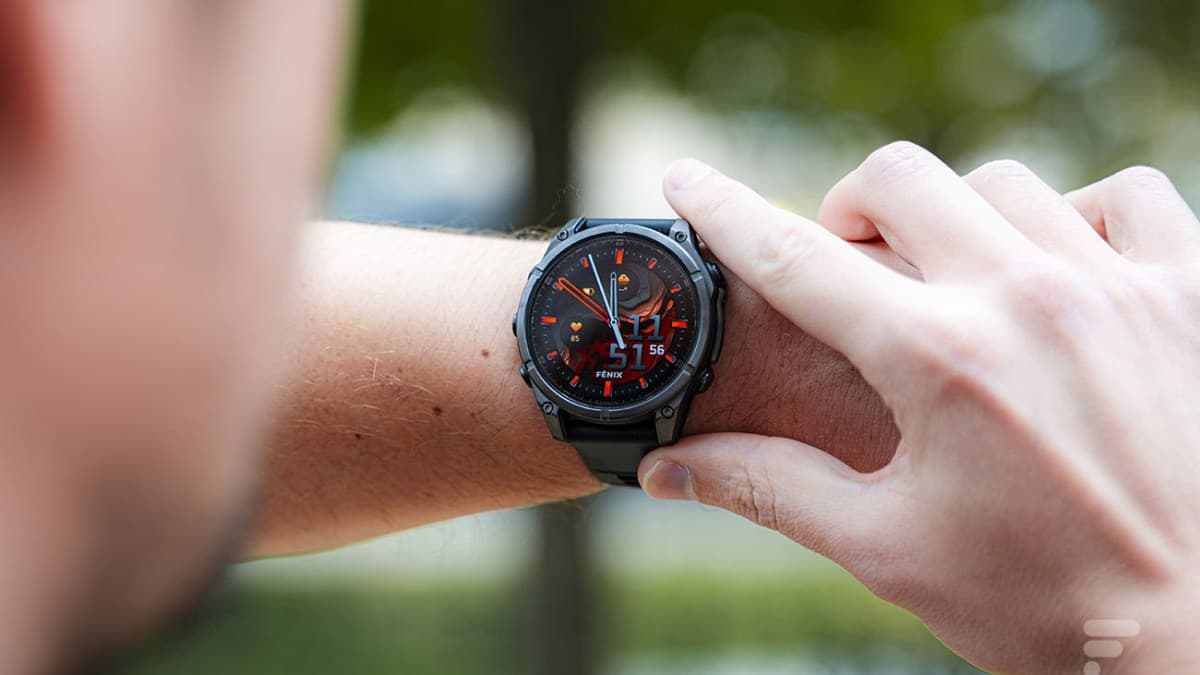
Wearables sit right in the middle of this. The5kRunner expects television coverage to require live timing and data from each station, potentially involving sensors on sleds, ergs and wall-ball targets. Amazfit has a three-year exclusive global Hyrox deal signed in April 2026 and is building Hyrox-specific features including automatic station transitions and station-by-station analysis from its Helio Strap Pro motion sensor. That points towards a more structured post-race data experience, though we would be cautious until athletes can see how accurate and useful those metrics are in a crowded race environment. Hyrox data is already a contested area, as we covered when [HYROX ordered results analytics sites to stop scraping](/en/articles/hyrox-orders-results-analytics-sites-to-stop-scraping-2026-10-16).
Why triathlon federations want in
The commercial appeal is obvious. Hyrox projects more than two million participants across 105 races this season, according to The5kRunner. Those athletes overlap with triathlon’s core 40-and-over demographic and already accept training plans, start lines and performance tracking as part of the hobby. Federations gain another event product, age-group championships and a route to attract athletes who left the pool and bike for gym-based racing. Hyrox gains formal sporting infrastructure, from national competition to anti-doping arrangements once the full agreement is complete.
What is missing is the detail that matters on race day. Fast and Ultra have no published distances or station lists. The Long Form Agreement still needs to define rules, anti-doping arrangements and the commercial split. There is no Olympic place, no confirmed multi-sport Games appearance and no funding from UK Sport for hybrid racing at this stage. Sitting under an IOC-recognised federation meets a prerequisite, not the finish line.
Our verdict: this is a smart fit for Hyrox athletes who want national championships and a shorter route into racing, and for triathletes looking for a winter target without abandoning structured competition. Compared with today’s commercially run Hyrox calendar, it promises a deeper pathway. The useful test now is simple: deliver clear Fast rules, reliable timing and data athletes can trust.
Mentioned watches