FIU Study: Garmin Calorie Accuracy Worst Among Four Major Smartwatches
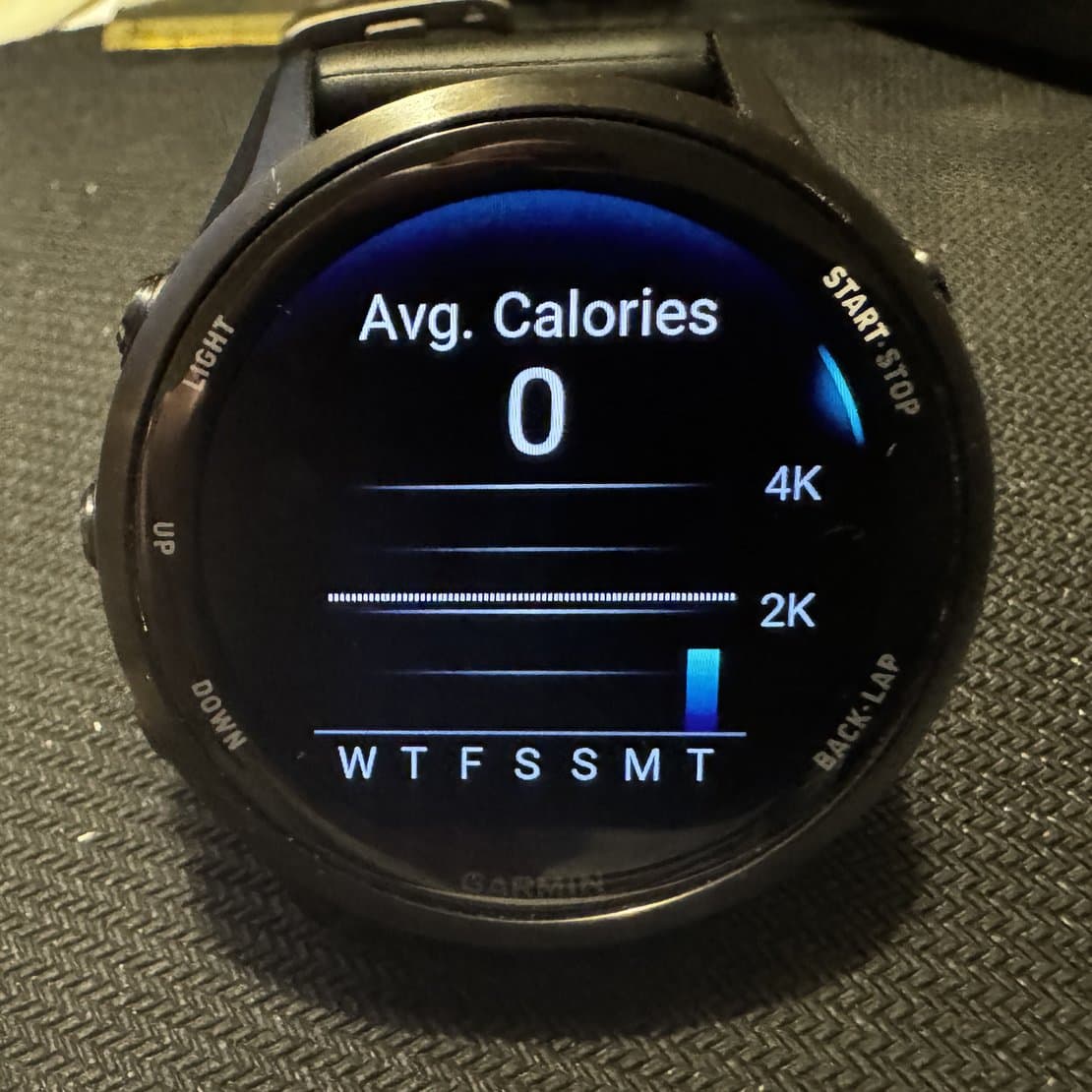
A new Florida International University study put four major smartwatch brands through calorie accuracy testing, and Garmin came out at the bottom. That stings, given how much Garmin markets its physiological metrics to serious endurance athletes. Samsung landed close behind Garmin in error magnitude, while Apple and Fitbit tracked lower overall error rates.
What the Study Actually Measured
Calorie estimation on wrist-worn devices relies on optical PPG sensors reading blood volume changes, combined with algorithms that factor in heart rate, movement data from the accelerometer, and user profile inputs like weight, age, and VO2 max. None of these watches are measuring energy expenditure directly. They are all estimating it, and the margin for error is structurally wide. The FIU results quantify just how wide that gap can get across brands.
Garmin posted the largest average calorie error of the four brands tested. Samsung came in second worst. Apple and Fitbit both showed lower average errors, though Fitbit's cleaner mean concealed something worth flagging: a pattern of implausible individual readings that an average score quietly smooths over. A clean average with outlier spikes is a different kind of problem than a consistently inflated number.
How This Plays Out for Endurance Athletes
For a triathlete doing a four-hour brick session or a cyclist grinding out 3,000 kilojoules on a long ride, calorie error compounds fast. If Garmin is reading 15 to 20 percent high across a training block, your fueling strategy and deficit calculations are built on a skewed baseline. Polar has historically been more conservative and closer to metabolic cart readings in third-party tests, and Coros leans on similar optical PPG hardware but with its own algorithm stack. Neither is perfect, but the FIU data puts Garmin's specific algorithm in a difficult position.
Whoop takes a different angle entirely. It does not display real-time calorie burn in the same way and focuses more on strain scores and recovery metrics derived from heart rate variability. For athletes who have decoupled calorie tracking from their Whoop use, this study is less relevant. But for the Garmin user who is syncing daily burn to MyFitnessPal or adjusting race nutrition based on watch estimates, the FIU findings are a direct problem. It is worth cross-referencing your Garmin calorie data with a chest strap heart rate monitor and a known power meter output on the bike to sanity-check the figures. Chest straps read electrical impulses via ECG-based detection, giving far more accurate heart rate inputs that can improve the calorie estimate upstream.
Garmin does offer a relatively sophisticated ecosystem for data integration. The [Sugar Sense CGM integration](/en/articles/sugar-sense-brings-live-cgm-glucose-data-to-140-garmin-watches-2026-09-03) and tools like [RunSync for structured AI-built workouts](/en/articles/runsync-builds-structured-garmin-workouts-with-ai-and-training-paces-2026-09-03) show the platform expanding its physiological data breadth. But raw calorie accuracy is foundational, and a third-party CGM app cannot fix an overestimating baseline burn number.
What the Study Does Not Tell Us
The FIU study gives us brand-level averages across activity types, but it does not break down error by specific activity. Calorie error on a treadmill run is a different beast from error during open-water swimming or a Hyrox event with mixed aerobic and resistance effort. Garmin's algorithm likely performs differently across those contexts. The study also does not specify which Garmin device was tested or whether it was running the latest firmware. Given that Garmin pushed eight new features across devices in their [Q3 2026 update](/en/articles/garmin-q3-2026-update-eight-new-features-across-watches-and-edge-computers-2026-09-02), algorithm behavior can shift between firmware versions.
What's missing here is longitudinal data. A snapshot study captures error at a moment in time, across a set of conditions. Endurance athletes train in heat, at altitude, at varying intensities. Baro altimeter data and GPS position data do not directly feed calorie models, but environmental context matters for heart rate behavior, which does. A fuller picture would include multi-session data across temperature ranges and effort levels.
If you are buying a Garmin primarily for calorie tracking, this study gives you real pause. If calorie data is secondary to GPS accuracy, training load metrics, and battery life, the [Forerunner 70](/en/articles/garmin-forerunner-70-review-gps-battery-and-real-world-results-2026-09-02) and broader Garmin lineup still make strong cases on those fronts. For athletes where fueling precision is critical, pairing any wrist device with a power meter on the bike and pace-based energy models on the run will always beat trusting the optical sensor estimate alone. Garmin needs to address the algorithm. Until then, treat those calorie numbers as a rough ceiling, not a fact.
Mentioned watches
Head-to-head comparisons