Garmin Cirqa: $199 Screenless Band Specs, Sensors, and Honest Verdict
Garmin's Cirqa is a screenless recovery band priced at $199, entering a market that Whoop has owned for years. It sits below every Garmin watch in the lineup and targets athletes who want continuous health tracking without the bulk or battery anxiety of a full GPS device. The timing matters: three screenless bands have launched in the past fourteen months, and none has seriously dented Whoop's subscriber base. Cirqa is Garmin's answer, and it is more serious than the others.
Sensors and Hardware
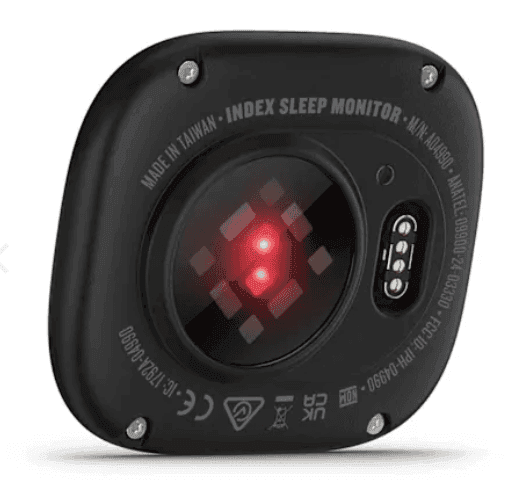
Two sensors were confirmed when Garmin's Romanian support page briefly listed Cirqa as a Health Status compatible device before being pulled: SpO2 and skin temperature. SpO2 here is optical, meaning the sensor uses PPG technology to measure blood volume changes via light absorption at the skin, not an electrical signal. Skin temperature gives Cirqa a window into recovery state, hormonal shifts, and illness onset that raw heart rate cannot provide alone. A Canadian trademark filing also referenced sensing capability that Whoop currently lacks, though Garmin has not spelled out exactly what that means yet. Combined with the optical heart rate sensor already expected on any Garmin product, you are looking at a solid three-pillar physiological stack.
The band supports both wrist and upper arm (bicep) wear, with placement set per activity inside Garmin Connect. That matters for endurance athletes. During a high-intensity interval session or a CrossFit WOD, wrist optical PPG sensors struggle because forearm muscle movement creates noise in the blood volume signal. Bicep placement reduces that artifact significantly. It also keeps the module protected during contact drills, and Garmin says it strengthens ANT+ broadcasting, which is useful if you pair it to a bike computer or a treadmill. Polar's Verity Sense has offered bicep wear for a while, but Cirqa integrating this directly into a recovery-focused band is a practical step forward for Hyrox and CrossFit athletes in particular.
Software, Features, and Garmin Ecosystem
Cirqa feeds into Garmin Connect and the Connect+ feature set, which means it inherits the same recovery, sleep, and readiness framework that powers Fenix 8 and Forerunner 965 data. That is a real advantage over Whoop for athletes already in the Garmin ecosystem: your Cirqa recovery score and your watch training load can inform each other rather than living in separate apps. Whoop's app is excellent in isolation, but it does not talk to Garmin, Coros, or Polar natively. If you train with a Garmin GPS watch and want overnight tracking without wearing a full device, Cirqa slots in cleanly.
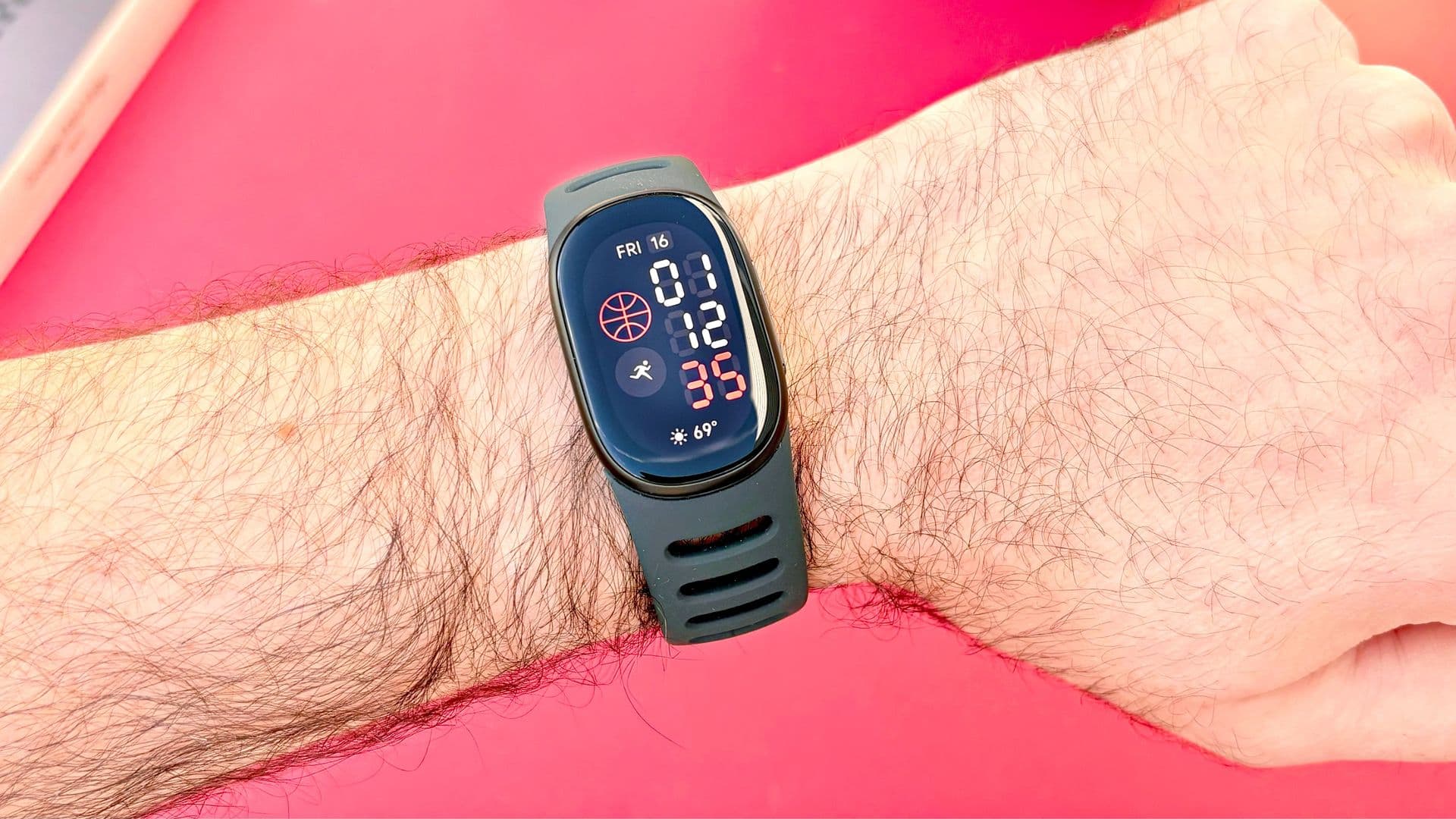
The band has no screen, uses buttons and LEDs for basic feedback, and comes in multiple sizes and colors. Battery life figures have not been officially confirmed at time of writing, but the screenless form factor typically allows for multi-day runtime well beyond what a smartwatch delivers. Whoop 5.0 claims around 14 days. Coros's Dura band, another screenless competitor, targets similar territory. Cirqa will need to hit at least 7 to 10 days of continuous monitoring to be credible at $199.
Real Athletic Use Cases
For a runner doubling as a triathlete, Cirqa makes most sense as a sleep and recovery companion to a primary GPS watch. Wear the Cirqa overnight and on easy days, swap to your Forerunner or Fenix for structured workouts. That workflow avoids the battery management headache of trying to do everything from one device. Cyclists who train with a Wahoo or Garmin head unit already broadcasting to ANT+ sensors will appreciate that the bicep-worn Cirqa can feed heart rate data directly to the computer, removing the chest strap on days when a strap is uncomfortable. Swimmers should check waterproofing ratings before assuming pool or open water use is unrestricted, as Garmin has not confirmed swim-specific metrics for Cirqa the way it does for its watches.
For recovery tracking specifically, the skin temperature sensor is the detail worth watching. Whoop 5.0 tracks skin temp, but Polar's H10 chest strap, which uses electrical ECG signals and not optical PPG, does not. The trademark filing language suggesting a capability Whoop lacks could point toward something like galvanic skin response or a novel biomarker, though that remains speculative until Garmin announces officially. What is confirmed is that SpO2 optical sensing, PPG heart rate, and skin temperature together create a more complete overnight physiological picture than most bands at this price.
What is missing or disappointing at this stage is detail. Garmin has not confirmed battery life, exact swim depth rating, or whether Cirqa will offer any standalone GPS or even GPS-assisted tracking via a paired phone. At $199, you are paying for ecosystem integration and sensor quality, but Whoop at $239 per year (hardware included) offers a subscription model that some athletes find more palatable than a one-time hardware purchase that still requires a Connect+ subscription for full features. The lack of a display is fine for a recovery band, but the absence of confirmed sleep staging depth or respiratory rate data is a gap worth flagging.
Cirqa is the right product for a Garmin-loyal endurance athlete who wants continuous health monitoring without wearing a full watch 24 hours a day. At $199 one-time versus Whoop's subscription, it is a better deal for anyone who already pays for Garmin Connect+. It is not going to pull committed Whoop users away, and it does not try to replace a GPS watch. If you are a runner, cyclist, or Hyrox athlete deep in the Garmin ecosystem, this is the screenless band to consider. For more detail on the full confirmed spec list, see our [Garmin Cirqa sensor breakdown](/en/articles/garmin-cirqa-sensors-confirmed-spo2-skin-temp-muscle-battery-ahead-2026-07-23) and our [complete Cirqa review](/en/articles/garmin-cirqa-review-specs-sensors-and-real-athletic-use-2026-07-28).
Mentioned watches
Head-to-head comparisons
Buying guides