Garmin Enduro 4, Connect IQ 9, Helio Strap Pro: What Athletes Need to Know
Three stories are competing for attention in the endurance tech space right now: a leaked Garmin Enduro 4 that promises serious battery gains, a quiet Connect IQ 9 rollout that changes how third-party apps work, and a chest strap called the Helio Strap Pro that costs twice as much as the competition for hardware that looks nearly identical under the hood. None of these are simple stories. All three matter if you race long.
Garmin Enduro 4: Battery vs. Emergency Features
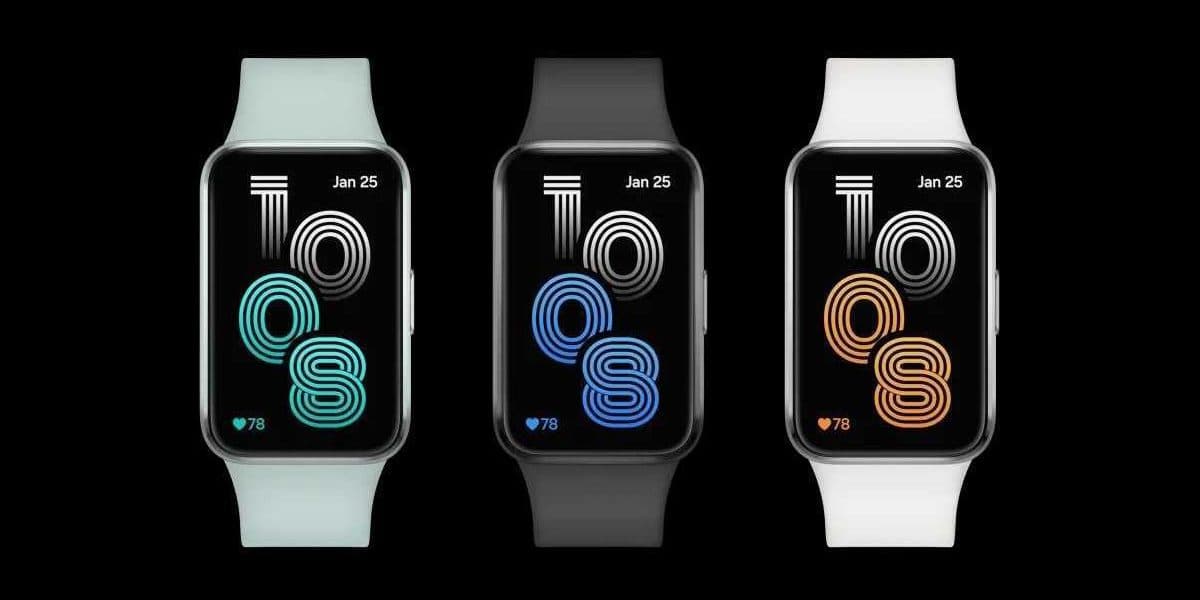
The Enduro 4 leak points to a solar-assisted battery life figure above 100 hours in GPS mode, which would push past the Enduro 3's already strong 90-hour GPS ceiling. That matters for Ironman and ultra runners who currently carry a charging cable on anything longer than a 50-miler. The Coros Vertix 2S sits at around 140 hours GPS with its larger battery, so Garmin still has ground to close. What's interesting in the leaked spec sheet is a reference to an emergency SOS protocol that apparently runs through a dedicated satellite channel rather than just Bluetooth to a phone, similar to what Apple rolled out on the Apple Watch Ultra 2 via the Emergency SOS via satellite feature. If that holds, the Enduro 4 would be the first Garmin trail watch with standalone emergency comms, not just inReach pairing.
The tradeoff is weight and thickness. Every satellite transceiver module adds grams. The Enduro 3 sits at 73g, and the Enduro 4 prototype reportedly comes in around 79g. That is still lighter than the Suunto Race S titanium at 89g, but heavier than the Coros Apex 2 Pro at 49g. For a 100-mile mountain race, 6 extra grams is nothing. For a triathlon run split, you notice it.
Connect IQ 9: Small Update, Real Impact
Connect IQ 9 arrived without a press release, which is classic Garmin. The headline change is better background data access for third-party apps, meaning developers can now pull optical PPG sensor data from the wrist more cleanly during activities. Optical sensors on Garmin watches use green and red LED light to measure blood volume changes through the skin, and up to now, third-party apps had to work around significant API restrictions when accessing that raw signal. That changes with CIQ 9. The practical upside is that advanced training load apps and real-time HRV tools can now run without the user needing to stop an activity. Polar's Advantage of their own closed ecosystem has always been that Flow and the H10 chest strap talk directly without these middleware bottlenecks. Garmin is closing that gap.
One immediate example of the community working ahead of official features: an indie developer built a battery alert app for the Garmin Venu 3S after his wife kept running it flat. Five apps followed, each priced between $1.25 and $1.50 with no subscription. That kind of lightweight solution points to exactly what Connect IQ 9 enables at scale. You can check our recent [firmware roundup](/en/articles/garmin-suunto-coros-firmware-bugs-july-2026-roundup-2026-07-22) for known CIQ 9 edge cases already reported.
Helio Strap Pro: The $100 Question
The Helio Strap Pro is a chest heart rate monitor that retails at roughly $100, landing it squarely against the Garmin HRM-Pro Plus at $99 and the Polar H10 at around $90. Chest straps use electrical impulse detection across the skin, the same principle as a clinical ECG, which is why they beat wrist optical sensors on accuracy during hard intervals when wrist motion creates PPG noise. The Helio Strap Pro hardware teardown by The5kRunner's source shows a sensor array and electrode configuration almost identical to what you find in mid-tier straps half the price. The differentiator Helio pitches is a companion app with advanced HRV analytics and running dynamics metrics including ground contact time and vertical oscillation. Those features are real. But the Garmin HRM-Pro Plus already delivers running dynamics natively to any Garmin watch over ANT+, and the Polar H10 pairs with Polar Flow, Garmin Connect, and third-party apps simultaneously. Paying double for a software layer you may not use is a hard sell.
What's missing from the Helio Strap Pro is offline storage. It needs a Bluetooth connection to log data, so if your phone dies mid-ultra or you're swimming with a pool mode watch, you lose that session. The Garmin HRM-Pro Plus stores up to 17 hours of heart rate data internally and syncs later. For triathletes doing brick sessions where the watch and phone are nowhere near each other, that matters. The strap also has no ANT+ support, locking you out of most cycling head units and older Garmin devices entirely.
Garmin's own ecosystem has faced scrutiny recently, including a lawsuit over accuracy claims covered in the broader industry digest, and if you want context on current deals across Garmin, Polar, and Amazfit before buying any strap or watch, the [Amazon Prime Day 2026 rankings](/en/articles/amazon-prime-day-2026-garmin-polar-apple-and-amazfit-deals-ranked-2026-07-13) are still relevant for price benchmarking.
The Helio Strap Pro is not a bad product. The HRV app is genuinely polished, and the electrode comfort on long runs is above average. But at $100, it competes against straps with deeper ecosystem integration, better offline capability, and years of firmware maturity. Athletes already on Garmin or Polar have no real reason to switch. The Helio Strap Pro makes more sense for someone on Apple Watch Ultra 2 who wants a dedicated chest strap without buying into Garmin's ecosystem. Even then, the Polar H10 does the same job for $10 less with broader app support.
Bottom line: the Enduro 4 is worth waiting for if you race ultras and want standalone emergency comms in one device. Connect IQ 9 is a genuine platform improvement that will matter more over the next 12 months as developers exploit the new sensor access. The Helio Strap Pro is overpriced for what the hardware delivers. Buy the Polar H10 or Garmin HRM-Pro Plus instead and put the $10 to $50 you save toward race fees.
Mentioned watches
Head-to-head comparisons
Buying guides