Oura Sues Ultrahuman Over Ring Pro Patents
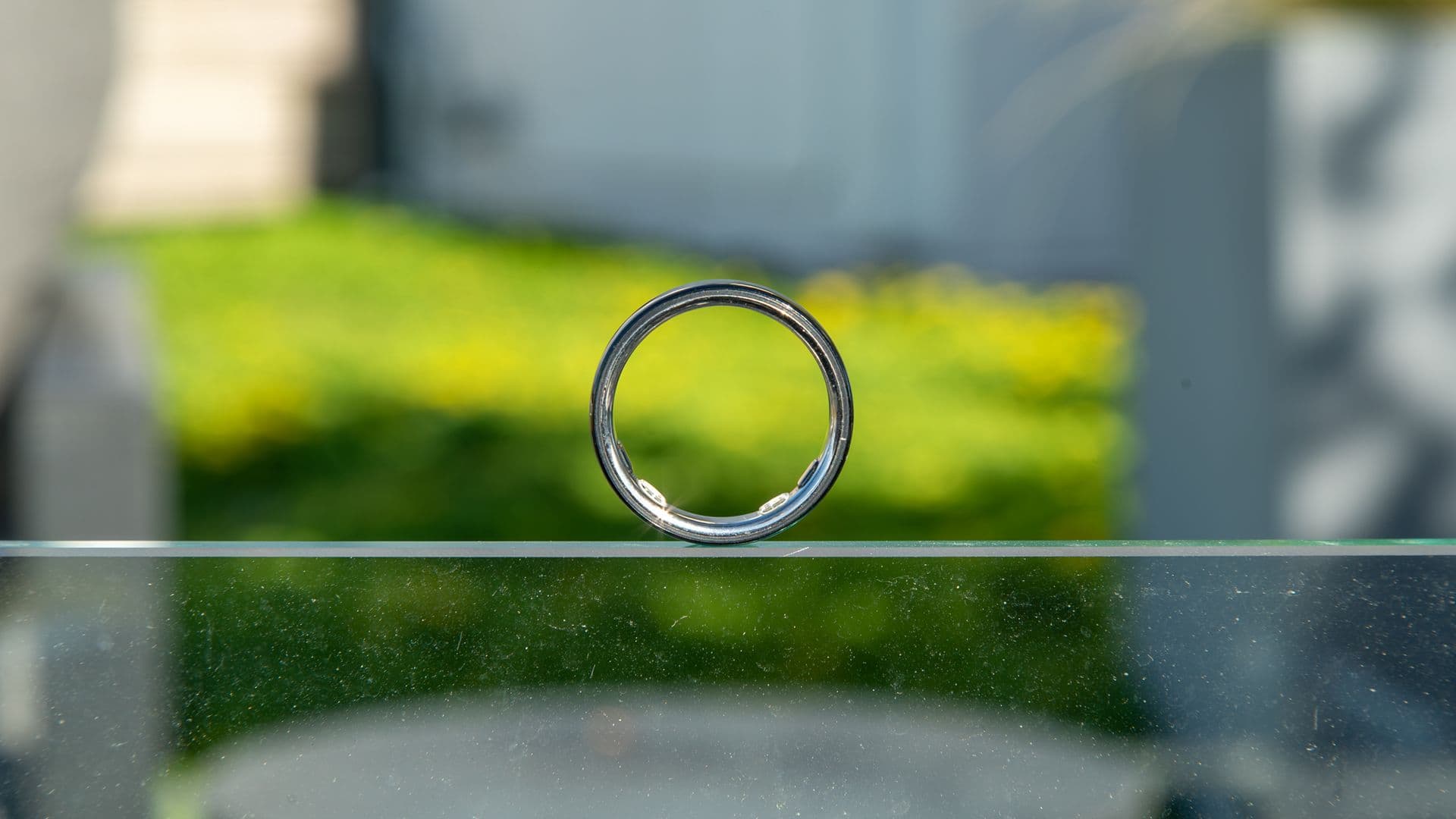
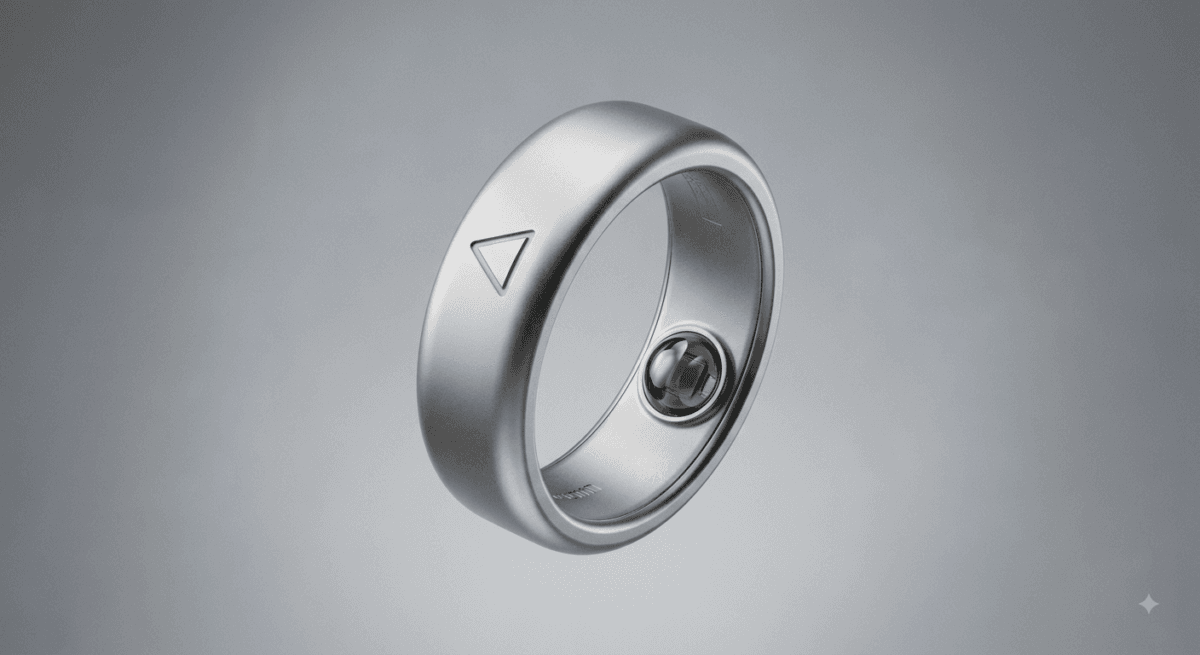
Oura has reportedly sued Ultrahuman over the Ring Pro, alleging infringement of two patents covering the ring’s design and internal components. According to Android Central, the complaint targets the curved battery, circuit board, magnets and sensors, while Oura is seeking monetary damages. The timing is hard to ignore: one of the patents, 12,769,363, was granted on October 21, 2025, with the lawsuit filed two days later.
For endurance athletes, this is less about today’s recovery score and more about whether Ultrahuman can keep delivering its ring in the US. Its earlier import ban had already pushed the company out of the market, and the Ring Pro was its route back. Ultrahuman CEO Mohit Kumar says courts have not stopped US sales, so the Ring Pro remains available at present. For the wider legal context, see our report on [Oura’s effort to block Ultrahuman Ring Pro US sales](/en/articles/oura-seeks-to-block-ultrahuman-ring-pro-us-sales-2025-10-23).
This feud is not new. Ultrahuman sued Oura in 2025, claiming Oura’s Ring 4 copied patented technology connected to sleep tracking, circadian tools and women’s health features. The companies also take sharply different product positions: Android Central describes Ultrahuman’s PowerPlugs as feature access without a paywall, while Oura uses a subscription-heavy model. That difference matters when athletes are choosing a long-term recovery platform, not just a piece of hardware.
What is missing is clarity on the practical outcome. We do not yet know whether Oura can secure an order limiting Ring Pro sales, how long the case may run, or whether the disputed internals will force another redesign. Ultrahuman’s recent HealthEx partnership and Heart Scan rollout show it is still building features, but litigation can put a cloud over even a capable training and wellness ecosystem.
Our verdict: no need for current Ring Pro owners to panic, and no confirmed sales halt exists. Buyers deciding between Oura and Ultrahuman should treat this as a support and availability risk, especially in the US, rather than evidence that either ring suddenly tracks recovery better.
Mentioned watches
Head-to-head comparisons