Garmin Fenix 9, Edge 1060, LTE, MicroLED: August 2026 Rumor Roundup
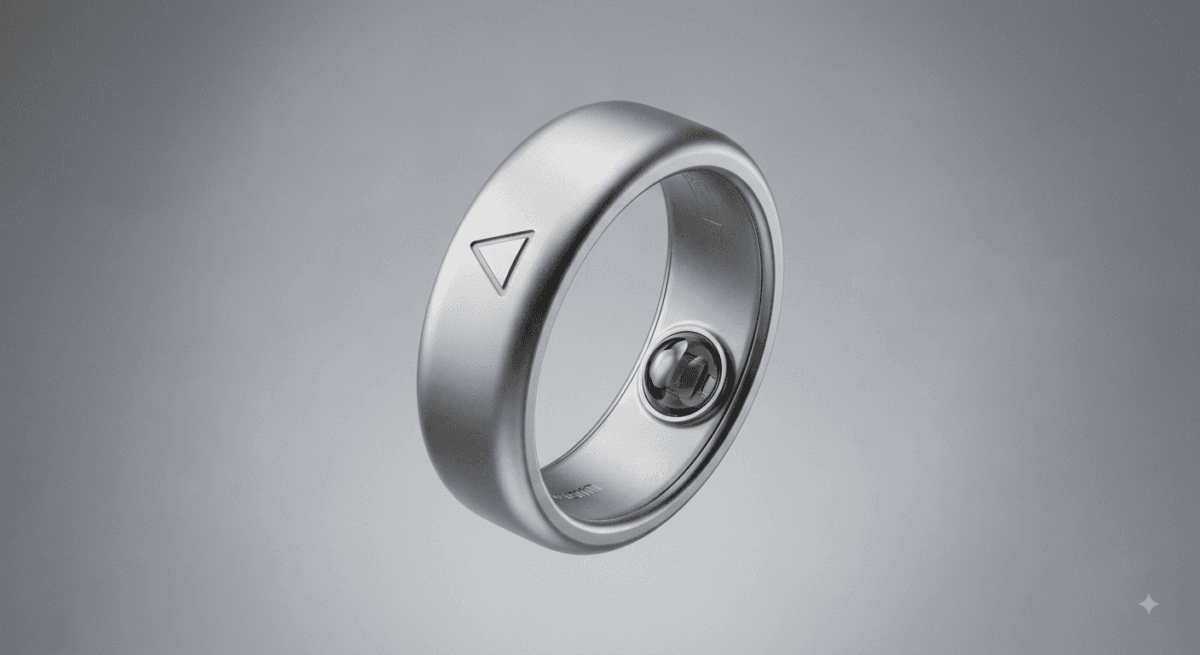
The Garmin Fenix 9 is coming, and the leaks are piling up fast. August 2026 has been a noisy month for wearable rumors, with credible sources pointing to microLED displays, LTE connectivity, and satellite messaging across Garmin's upcoming lineup. If even half of this lands, it reshapes the endurance watch market for the next two years.
Fenix 9 and the Hardware Jump
The Fenix 9 leaks center on three things: a microLED panel replacing the current MIP/AMOLED hybrid approach, always-on LTE for live tracking without a phone tether, and a refined optical PPG sensor array for wrist-based heart rate and SpO2 readings. MicroLED matters here because it combines the always-on readability of MIP with the contrast of AMOLED, something Garmin has chased for years. Battery projections floating around suggest 20-plus days in smartwatch mode, which would beat the Fenix 8's current 16-day figure and put real pressure on Coros Vertix 3, which still holds the endurance crown at around 30 days GPS-on. The barometric altimeter is expected to carry over, using air pressure differentials to track elevation on climbs, a staple for trail runners and cyclists who need accurate ascent data that GPS satellite geometry alone can't reliably deliver.
The Edge 1060 rumors are quieter but point toward satellite connectivity baked into the cycling computer itself, not just paired through a phone. That means iridium or similar low-earth-orbit messaging for cyclists deep in the Alps or Dolomites who lose cell coverage for hours. Wahoo has been slow to respond to Garmin's Edge dominance, and a satellite-capable 1060 would widen that gap further. Polar's Grit X3 does none of this. Suunto Race 2 leaks suggest it'll arrive around the same window, which makes Q4 2026 genuinely competitive for the first time in a while.
LTE, Satellite, and What Athletes Actually Need
LTE on a sports watch sounds obvious until you run the numbers. The Garmin Fenix 8 Solar already costs $999. Add LTE hardware, a bigger battery to compensate for the radio drain, and a monthly data plan, and you're looking at a device that rivals an Apple Watch Ultra 3 on price but targets a completely different user. Apple's optical PPG sensor reads blood volume changes through light at the wrist, giving solid resting HR and decent zone training data. Garmin's chest strap ecosystem, which uses electrical impulse detection via ECG-style electrodes, still wins for interval accuracy and VO2max calculations during hard efforts. Those are two different measurement physics, and serious triathletes still reach for a Garmin HRM-Pro Plus on race day regardless of what's on their wrist.
For Hyrox athletes and CrossFitters, LTE live tracking is a real feature. Indoor events have patchy GPS signal anyway, satellite connectivity doesn't help there, but LTE lets coaches and spectators follow splits in real time. Whoop 5.0 handles recovery monitoring well with its continuous PPG-based HRV tracking, but it offers zero GPS and no activity mapping. A Fenix 9 with LTE fills that gap for athletes who want one device for everything from morning HRV checks to race-day tracking.
Coros, Polar, and Suunto Responses
Coros has quietly built one of the strongest GPS chipset implementations in the game. The Vertix 3 runs multi-band GNSS with satellite positioning accuracy that matches Garmin's flagship units in most field tests, at a lower price point around $699. If Coros adds any form of LTE or satellite messaging before Garmin ships the Fenix 9, it becomes a serious upset. Polar's play has been accuracy-focused, particularly with their optical sensor stack and training load algorithms, but they've shown no signs of chasing connectivity hardware. Suunto's Race 2 leaks suggest a refined experience for trail runners rather than a spec war, which is honest positioning given their market size.
The microLED display race is the one to watch for 2027 and beyond. Samsung and Apple have supply chain advantages here. Garmin sourcing microLED panels at scale for a niche endurance watch is expensive and logistically complex. The rumors could be accurate about the technology direction while being optimistic about the timeline. Don't be surprised if the Fenix 9 ships with an improved AMOLED and microLED gets pushed to Fenix 10.
What the Leaks Are Missing
None of the current Fenix 9 or Edge 1060 speculation addresses software meaningfully. Garmin's firmware has had a rough August, with documented bugs across multiple devices covered in our [August 2026 firmware roundup](/en/articles/garmin-wahoo-suunto-firmware-bugs-august-2026-roundup-2026-08-15). Hardware specs mean nothing if the training load algorithm misfires or the sleep tracking spits out garbage, a problem Garmin's CIRQA band has already demonstrated at launch per our [CIRQA accuracy and bug coverage](/en/articles/garmin-cirqa-launch-sold-out-accuracy-problems-bugs-mapped-2026-08-15). The 15-night CIRQA sleep test we ran showed [meaningful accuracy gaps](/en/articles/garmin-cirqa-sleep-tracking-accuracy-15-night-real-test-2026-08-16) that a microLED screen won't fix. Garmin is also expanding hard into new form factors, with the CIRQA band and new glasses bet showing where product resources are being split, as we outlined in our [wearables diversification piece](/en/articles/garmin-s-ring-cirqa-band-and-glasses-bet-on-wearables-growth-2026-08-20).
The verdict: if the Fenix 9 lands with functional LTE, a real microLED panel, and clean firmware at launch, it's the right watch for serious triathletes and ultra runners who want one device that works untethered from a phone. Budget around $1,099 to $1,199 and compare it directly against the Apple Watch Ultra 3 if lifestyle features matter, or Coros Vertix 3 if raw GPS battery life is the priority. Garmin's [15% global smartwatch share](/en/articles/garmin-hits-15-global-smartwatch-share-matching-samsung-in-2026-2026-08-19) gives them the distribution to make this stick. The hardware ambition is clear. Execution is the open question.
Mentioned watches
Head-to-head comparisons
Buying guides