Garmin Fenix 9 and Enduro 4: Filing Evidence, Variants, Likely Dates
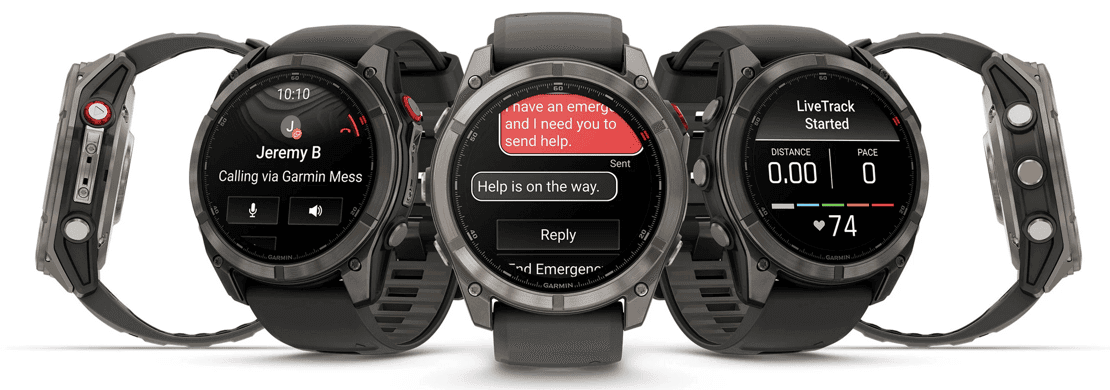
A new Garmin FCC filing has turned up hardware that wasn't in the Fenix 9, Fenix E 2, or Enduro 4 submissions already spotted earlier this year. Specifically, this latest filing includes LTE-M and satellite connectivity modules. That combination points to a more connected tier of the Fenix 9 lineup, likely a Pro or Solar variant, and gives us a cleaner picture of how Garmin plans to stagger the rollout across five distinct models.
What the Filings Actually Tell Us
FCC and regulatory filings don't confirm release dates, but they do confirm hardware exists and is close to market. The standard window between filing and launch sits around 60 to 90 days, sometimes shorter for Garmin. The five models currently tracked are the Fenix 9 AMOLED, Fenix 9 MIP Solar, Fenix 9 Pro, Fenix E 2, and Enduro 4. Each carries a different internal module configuration, which explains why they appear as separate filings rather than a single submission. The LTE-M module in the newest filing is the key differentiator. LTE-M is a low-power cellular standard used for real-time tracking and emergency communication without draining a battery the way full LTE would. Garmin already uses a version of satellite messaging on the inReach ecosystem, so pulling that tech into a Fenix Pro makes sense as the lineup's top-tier positioning.
The Fenix E 2 filing, spotted separately, shows a more stripped-down module set. No LTE-M, no satellite hardware. That tracks with the Fenix E positioning as the accessible entry point to the Fenix family, likely priced below the standard Fenix 9 by a meaningful margin, similar to how the original Fenix E sat roughly 100 to 150 USD below the core model. The Enduro 4 filing sits closer to the Pro in terms of hardware density, which is expected given the Enduro line's focus on ultra-distance battery performance combined with navigation depth. If the Enduro 4 gets LTE-M as well, it would be the first Enduro with real-time cellular tracking baked in at a hardware level.
Display Split: AMOLED vs MIP Solar
The AMOLED and MIP Solar variants represent a philosophical split Garmin has leaned into hard since the Fenix 7. AMOLED gives you a sharp, high-contrast screen that looks excellent indoors and in low light. The tradeoff is battery. Garmin's AMOLED Fenix 7 Pro delivered around 18 days in smartwatch mode versus 37 days on the MIP Solar equivalent. Expect similar or slightly improved numbers on the Fenix 9 generation given Garmin has been iterating on power management. For triathletes and cyclists doing long GPS sessions, MIP Solar is still the practical pick. For CrossFitters and Hyrox athletes who want readability in a dark box gym and aren't doing 12-hour GPS days, AMOLED makes more sense.
On the sensor side, Garmin's current optical PPG setup, the Elevate Gen 5 found in the Fenix 8, uses green and red LEDs plus infrared to read blood volume changes at the wrist. That's the same physical principle as every other wrist-based optical sensor, whether you're talking about Polar's Precision Prime, Coros's optical stack, or Apple's S9 chip-driven sensor. The differentiator isn't the light physics, it's the algorithm filtering out motion artifact during high-cadence efforts. Garmin's Elevate Gen 5 handles cycling and running reasonably well but still drops accuracy during swimming intervals compared to a chest strap using electrical impulse detection. Worth noting: Garmin's newer CIRQA armband, covered in detail in our [accuracy test piece](/en/articles/garmin-cirqa-accuracy-tested-hyrox-open-water-real-results-2026-08-07), uses the Elevate 4.1 rather than Gen 5, which is a separate conversation about cost and positioning.
Timing and What to Expect
Based on filing timelines, the most likely launch window for the first Fenix 9 models is Q4 2026, with a potential announcement event in September or October. Garmin has historically used fall events to anchor its flagship watch releases, and the Fenix 8 launched in mid-2024, making a two-year cycle land squarely in 2026. The Pro and Enduro 4 could follow 4 to 8 weeks after the base models, which is a pattern Garmin used with the Fenix 7 generation. Pricing is speculation at this point, but the Fenix 8 Pro Solar launched at 1,099 USD. Expect the Fenix 9 Pro to hold near that figure or nudge slightly higher if LTE-M connectivity is included and requires a subscription tier.
The Garmin ecosystem context matters here too. With the [TrainingPeaks acquisition in July 2026](/en/articles/garmin-buys-trainingpeaks-in-july-2026-what-it-means-2026-08-07) and the recent CIRQA launch, Garmin is clearly building toward tighter hardware-software integration. A Fenix 9 Pro with LTE-M that pushes workout data directly to a Garmin-owned TrainingPeaks backend is a coherent product story. Whether athletes actually want that level of lock-in is a different question. Coros, for its part, keeps pricing sharper and the software more open. The Coros Vertix 3 sits around 699 USD with comparable GPS accuracy and longer battery life than Garmin's AMOLED tier, making it a real alternative for ultra runners who aren't sold on the Garmin ecosystem.
What's missing from the filing evidence: nothing yet on the next-gen optical sensor. If Garmin sticks with Elevate Gen 5 across the Fenix 9 range, that's a reasonable but not exciting move. Whoop 5.0 and the latest Polar Grit X2 Pro both push harder on 24/7 physiological load monitoring, and Garmin's stress and recovery metrics still lag behind Whoop's raw HRV depth and recovery scoring. The barometric altimeter, which uses air pressure differential to calculate elevation gain, has been accurate on Fenix hardware for years and that's unlikely to regress. But a sensor hardware refresh on the optical side would make the Fenix 9 a meaningfully different proposition rather than an iterative one.
The Fenix 9 lineup is shaping up to be Garmin's most segmented generation yet, with five models covering price, display preference, and connectivity needs. If you're a triathlete who already owns a Fenix 8 and is happy with the training load metrics, there's no urgent reason to wait unless LTE-M emergency tracking matters to you. If you're coming from a Fenix 6 or 7 and want a meaningful hardware step, the Fenix 9 Pro or Enduro 4 look like the targets worth holding out for. Keep an eye on the Q4 announcement window. We'll update with confirmed specs the moment the embargo lifts.
Mentioned watches
Head-to-head comparisons
Buying guides