Garmin Fenix 9 Pro GPS Constellation Shedding: What It Means
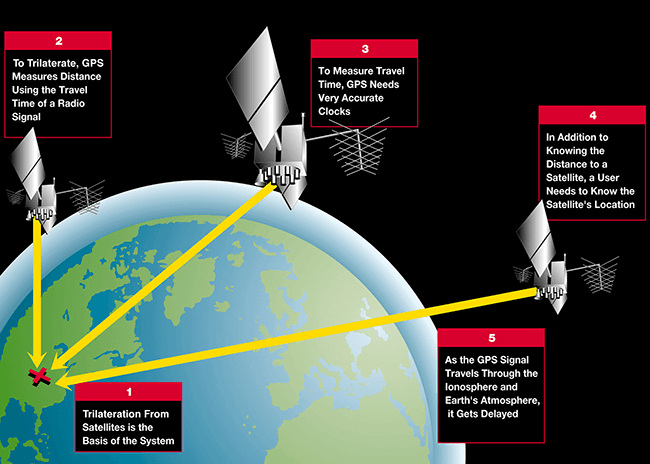
The Garmin Fenix 9 Pro is dropping an entire GNSS constellation mid-activity to conserve battery. This has been confirmed through real-world testing, and it raises a legitimate question: is there new GPS silicon inside the Fenix 9 Pro, or is this a firmware-level power management decision? Right now, nobody has a definitive answer. What we do know is that the behavior is real, repeatable, and worth understanding before you trust this watch on a 12-hour ultra or an Ironman bike leg.
For context, modern sport watches pull signals from multiple satellite systems simultaneously. GPS (US), GLONASS (Russia), Galileo (EU), and BeiDou (China) are the main four. Most flagship watches from Garmin, Coros, and Polar let you run all four at once, or pick a combination. The Fenix 8 Solar in all-systems mode pulls from GPS, GLONASS, Galileo, and BeiDou together. The Coros Vertix 2S does the same. Dropping one constellation mid-session is not standard behavior. It suggests the watch is making a dynamic power trade-off based on battery state, fix quality, or thermal load.
What Constellation Shedding Actually Does to Accuracy
GNSS accuracy comes from satellite geometry, specifically how spread out the satellites are above you. More satellites from more constellations generally means a better positional fix, especially in canyons, forests, or cities with tall buildings. Lose one constellation and you lose redundancy. In open terrain on a flat road run, you probably will not notice. On a technical trail in a valley, or cycling through a European city center, the gap in coverage could translate to 5 to 15 meters of positional drift. That might not matter for pace data, but it will affect distance and map trace accuracy. If you are comparing splits from your Garmin Fenix 9 Pro against a friend running the same course with a Polar Grit X2 Pro or a Coros Apex 2 Pro, the numbers might not line up the way you expect.
The chipset question matters because different GPS chips have different power envelopes. The Sony GNSS chips used in several Garmin generations consumed more power than the newer MediaTek solutions Coros adopted. If Garmin has moved to new silicon in the Fenix 9 Pro, constellation shedding might be a smarter algorithm managing a chip that handles power differently. If it is the same chip with different firmware behavior, that tells a different story about why Garmin made this trade-off. We covered the hardware distinctions between the two models in our [Garmin Fenix 9 vs Fenix 9 Pro hardware breakdown](/en/articles/garmin-fenix-9-vs-fenix-9-pro-hardware-differences-confirmed-2026-08-28), but the GPS silicon question remains open.
How This Affects Real Training Scenarios
For most daily training runs under 90 minutes, this probably does not matter. Your GPS trace will look clean, your distance will be close, and your average pace will be reliable. Where it gets complicated is long-duration efforts. An Ironman bike split runs 5 to 6 hours. A 100-mile ultramarathon can push 20 to 30 hours. If the watch is shedding a constellation at hour three to protect battery, and then again at hour six, the cumulative effect on track accuracy is unknown. There is no published data yet on how much positional error this introduces over time. That is a gap in the current information, and it matters for athletes who use GPS data for course navigation or post-race segment analysis on Strava or TrainingPeaks.
Recovery and health metrics are not affected by this issue. The optical PPG sensor on the wrist handles heart rate and SpO2 via light-based blood volume pulse readings, completely independent of the satellite system. Body Battery, HRV status, and sleep tracking all run on the optical sensor and accelerometer stack. If you pair a chest strap, that strap uses electrical impulse detection to read cardiac signals directly, also with no connection to GPS. So your physiological data stays clean regardless of what the satellite system is doing.
What Is Missing From the Current Picture
Garmin has not formally documented this constellation-shedding behavior. There is no setting in the GPS mode menu that explains when or why it triggers. That opacity is frustrating. Coros publishes its GNSS mode power consumption figures. Polar explains the trade-offs between their different tracking modes in the Grit X2 Pro documentation. Garmin staying silent on this, especially at launch, is a problem for athletes who need to make informed decisions about GPS mode selection. The Fenix 9 launch itself was chaotic enough that basic hardware questions were still circulating days later, as we noted in our [Fenix 9 launch deep dive](/en/articles/garmin-fenix-9-launch-hardware-deep-dive-and-key-questions-2026-09-04). This feels like another piece of that same incomplete picture.
The Garmin Fenix 9 Pro is a serious watch aimed at serious endurance athletes, priced accordingly somewhere above the Fenix 8 Solar at $899. If you are primarily a road runner or a triathlete doing sprint and Olympic distances, this constellation behavior is unlikely to affect your experience in any meaningful way. If you are doing multi-day mountain races, long bikepacking routes, or any event where GPS accuracy over many hours is safety-relevant, wait. Wait until independent testers have logged enough hours to quantify the actual accuracy cost. The Coros Vertix 2S and the Polar Grit X2 Pro both have clearer, more documented GNSS behavior right now, and that transparency has real value.
Mentioned watches
Head-to-head comparisons
Buying guides