Garmin's Ring, CIRQA Band, and Glasses Bet on Wearables Growth
Garmin is not content with watches. The company is spreading into bands, rings, and possibly smart glasses, betting on a Counterpoint Research forecast that puts global wearables revenue above $1 trillion by 2032. That growth is driven by value, not volume. Fewer units, higher prices, and more specialized use cases. For endurance athletes, this matters because it signals where Garmin's sensor and software investment is going over the next five years.
The Market Logic Behind Three Form Factors
Counterpoint's forecast is explicit: the next growth wave in wearables is category expansion, not smartphone-style saturation. Garmin's existing watch business already reflects this. The company [matched Samsung at 15% global smartwatch share in 2026](/en/articles/garmin-hits-15-global-smartwatch-share-matching-samsung-in-2026-2026-08-19), which is a real milestone for a brand that runs $500+ devices without a carrier subsidy. The strategic read is straightforward: watches are plateauing in unit terms, so the answer is to own adjacent categories before Apple or Samsung consolidates them.
The three products mapping onto this strategy are the CIRQA band, a leaked smart ring, and what sources describe as a potential glasses relaunch. Each targets a distinct wearing moment. The CIRQA covers passive recovery and sleep. A ring covers the same territory with even less friction, no charging block, no display. Glasses would capture real-time data overlay during activity, something no current wearable does without a head-mounted unit. None of these cannibalizes the Fenix or Forerunner line. That is the point.
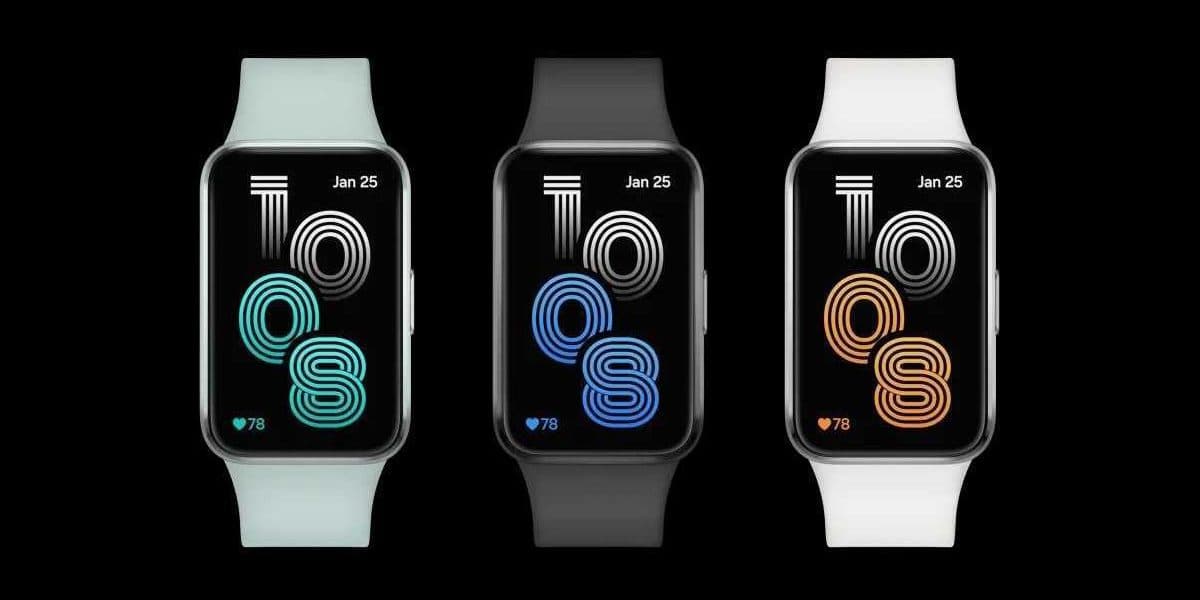
CIRQA: What the Band Actually Does
The [CIRQA launched in August 2026](/en/articles/garmin-cirqa-launch-sold-out-accuracy-problems-bugs-mapped-2026-08-15) as Garmin's dedicated recovery band. It uses optical PPG sensors to read blood volume changes at the wrist, deriving heart rate variability, resting heart rate, and SpO2 overnight. SpO2 is optical too, using light wavelength absorption to estimate blood oxygen saturation. No electrical signal is involved at the wrist. That distinction matters when you are evaluating how CIRQA compares to a chest strap: a Garmin HRM-Pro reads electrical impulses through the skin, giving you true beat-to-beat ECG-grade data. The CIRQA cannot match that for HRV precision during exercise. What it can do is sit on your wrist passively for 24 hours without being in the way.
[Sleep tracking tested over 15 nights](/en/articles/garmin-cirqa-sleep-tracking-accuracy-15-night-real-test-2026-08-16) showed the CIRQA performing competitively against the Whoop 5.0 on sleep stage detection, though with some noise in light sleep classification. Whoop's optical hardware and sleep algorithm are genuinely strong, built over years of iteration. CIRQA is newer. Against the Polar LOOP, the CIRQA edges ahead on app depth and Garmin Connect ecosystem integration, especially if you already run a Fenix 8 or Forerunner 965. The [full CIRQA comparison across five recovery wearables](/en/articles/garmin-cirqa-vs-whoop-vs-polar-loop-vs-fitbit-air-vs-helio-strap-pro-2026-comparison-2026-08-14) is worth reading before you commit.
The Ring and Glasses Play
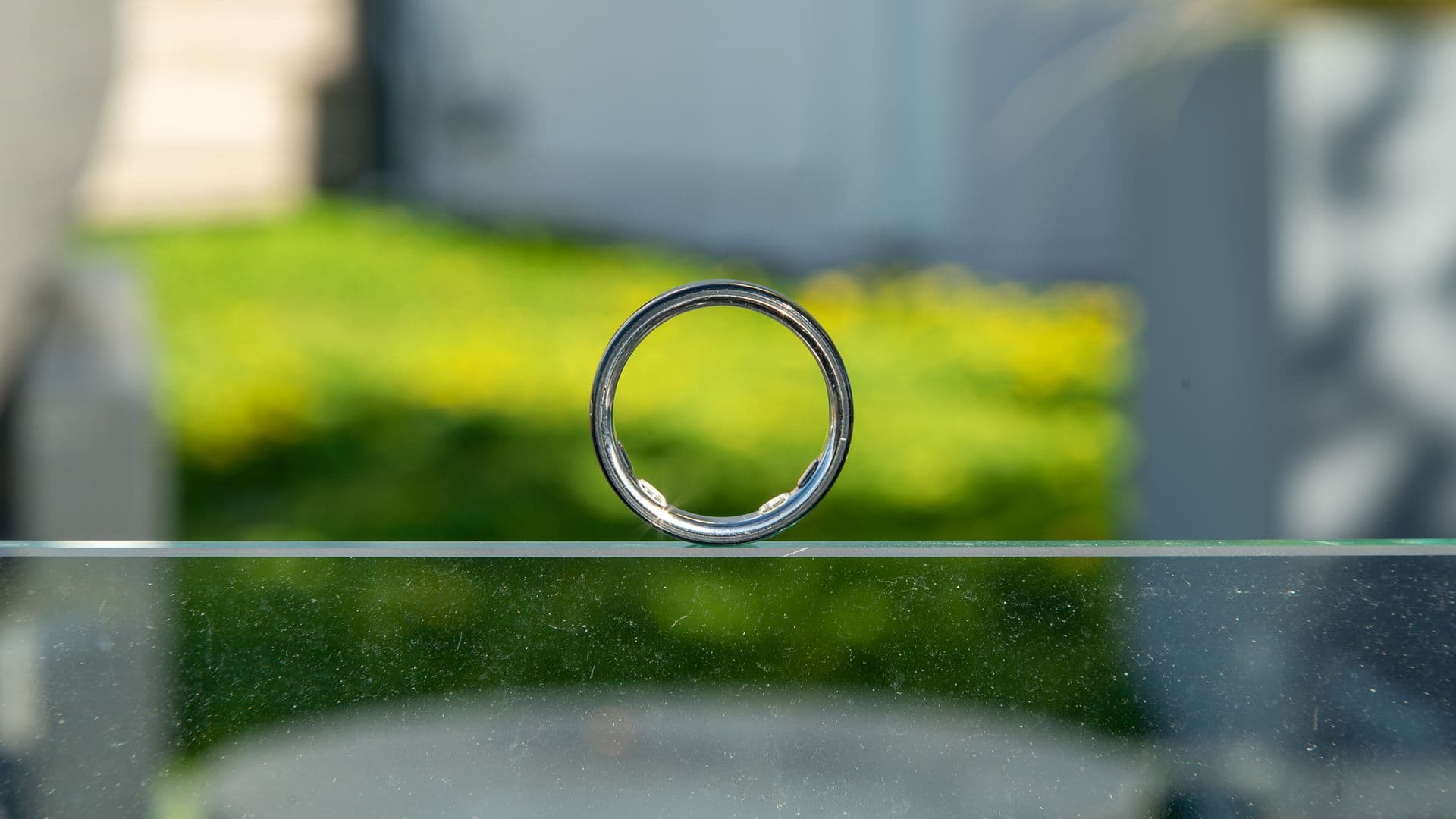
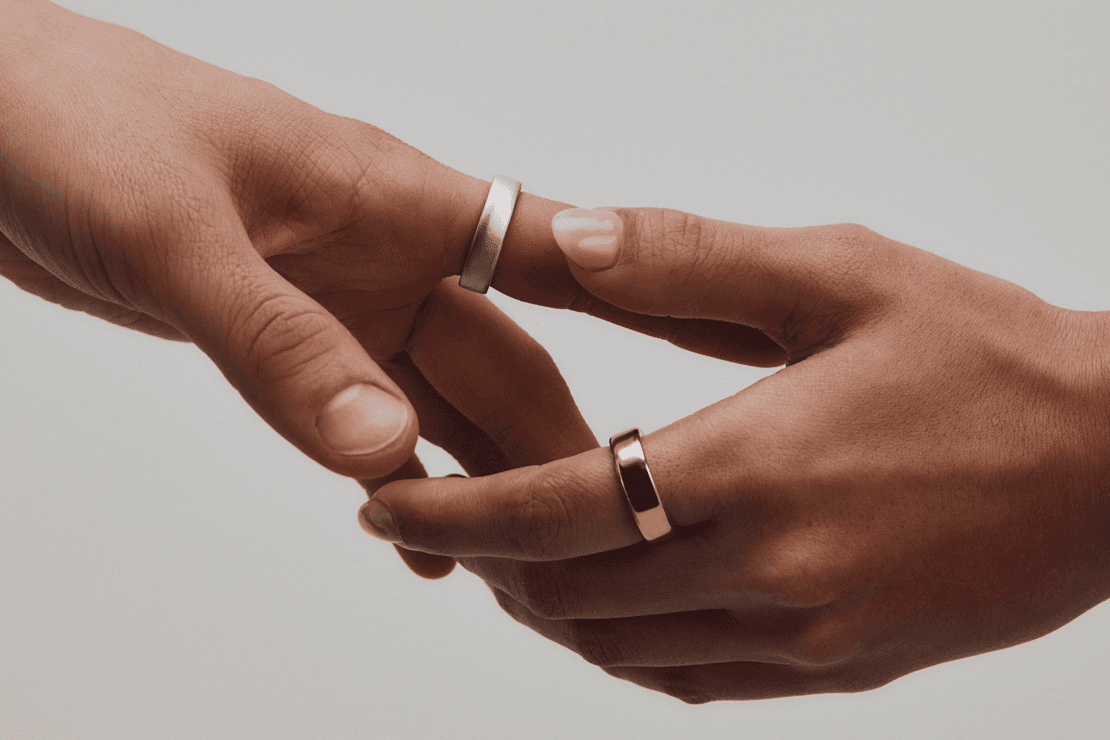
The leaked Garmin ring follows a well-worn path. Samsung Galaxy Ring, Oura Gen 4, and the Ultrahuman Ring Air have already normalized the form factor. Garmin's angle, if the leaks hold, is tight Connect integration and athlete-specific recovery metrics rather than general wellness. For a triathlete who trains twice a day, a ring that passively logs HRV and skin temperature overnight without requiring a watch on the wrist during sleep is a genuine quality-of-life improvement. Battery targets reportedly sit around seven days, which is in line with Oura Gen 4's real-world six to eight days. A barometric altimeter is unlikely in a ring form factor given air pressure sensor size constraints. GPS is out entirely. This is a passive data device, full stop.
Glasses are the longer shot. Garmin reportedly experimented with eyewear years ago and shelved it. The category has not been kind to most entrants. But the use case for a cyclist or runner getting real-time pace, power, and navigation overlay without looking down at a wrist is real. Current solutions like Engo 2 lenses exist but are niche. If Garmin's optical engineers can miniaturize a display with reasonable battery life and pair it cleanly to a Forerunner or Edge unit, the athlete-specific pitch writes itself. Execution risk is high. Interest is legitimate.
What Is Missing From This Picture
Garmin has a firmware reliability problem that none of this category expansion addresses. The [August 2026 firmware roundup](/en/articles/garmin-wahoo-suunto-firmware-bugs-august-2026-roundup-2026-08-15) documented real bugs across current devices. The CIRQA itself launched with accuracy issues and sold out fast, leaving early adopters with software gaps. Spreading engineering resources across a band, a ring, and glasses while the watch software still has rough edges is a risk. Coros, by contrast, runs a tighter firmware cadence with fewer features but more stability. Apple Watch Ultra 3 users rarely deal with the same bug frequency. Garmin's broad product strategy is coherent on paper. The operational question is whether execution can keep pace across five simultaneous hardware categories.
Garmin's expansion into bands, rings, and glasses is the right call given where the $1 trillion wearables market is heading. The CIRQA is the most concrete and testable bet right now, solid for Garmin ecosystem athletes who want recovery data without wearing a full watch to bed. The ring will appeal to the same crowd at a probably lower price point, around $299 to $349 if Samsung and Oura set the ceiling. If you are already deep in the Garmin ecosystem, the strategy rewards loyalty. If you are cross-shopping with Whoop or Oura as standalone recovery tools, wait for the ring launch before deciding.
Mentioned watches
Head-to-head comparisons
Buying guides