Garmin Vivoactive 6 Falls Below €200 at Joybuy
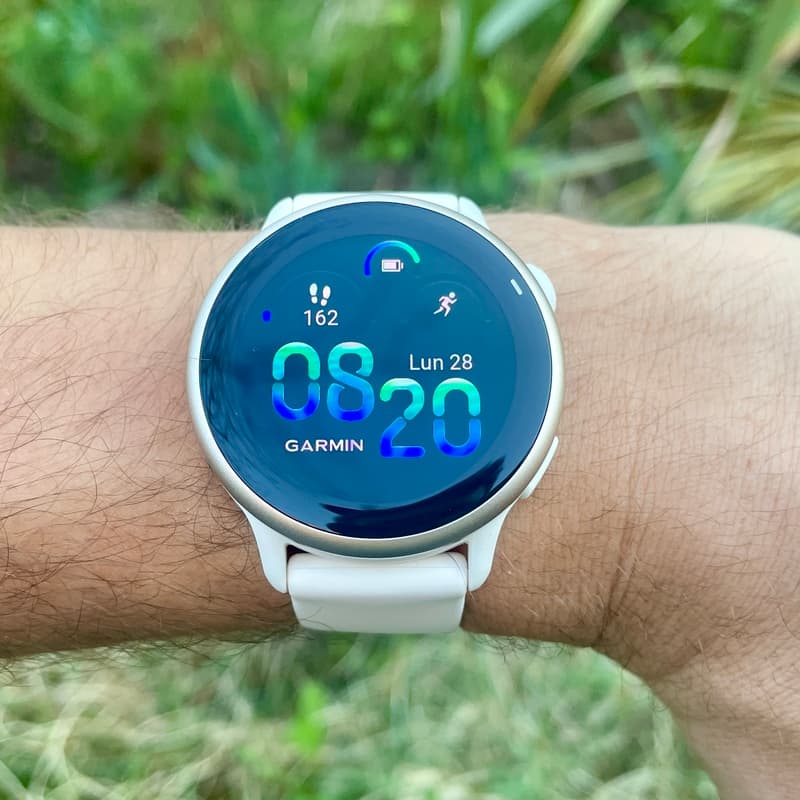
Garmin’s Vivoactive 6 is currently listed below €200 at Joybuy, according to Les Numériques. The site describes the drop as roughly 17% against the usual observed price. For runners and gym-focused athletes who want Garmin’s software in a good-looking everyday watch, that makes the Vivoactive 6 far more interesting than it is at full retail.
A lifestyle Garmin at a more sensible price
This is not Garmin’s serious-performance model. It is a lifestyle watch with GPS, an OLED display, wrist payments and a polished case, aimed at people who train regularly but do not need every training and outdoor sensor. Les Numériques praises the display, finishes and Garmin experience, while also calling out battery life of 10 days in its tested strengths. The original promise quoted by the publication is 11 days, so real-world expectations should sit closer to that tested figure.
That combination has real appeal. A watch that lasts around this long between charges is easier to live with than one that constantly demands a cable, especially when training is only one part of the week. Garmin’s software ecosystem is also a genuine reason to choose it: activity tracking, health features and sport data are presented in a familiar, mature interface. We would call this a sensible watch for building consistent habits, rather than chasing every possible performance metric.
The limits matter for hard sessions
The key caveat is wrist heart-rate performance during intervals. Les Numériques says the cardio reading is not reliable enough for interval work, and its review specifically points to shortcomings in intense sessions. That is important for runners using repeated hard efforts, Hyrox athletes moving rapidly between stations, and CrossFitters expecting responsive live heart-rate data. The wrist sensor uses optical PPG to estimate blood-volume changes with light, and fast intensity changes are exactly where an optical reading can become less dependable.
There is also no dual-band GPS and no barometric altimeter. GPS receives satellite signals, while a barometric altimeter uses air pressure, so their omissions affect different parts of the experience: positioning confidence on the one hand, and pressure-based elevation tracking on the other. For trail runners, hikers and athletes who care deeply about climbing data, this is a meaningful gap. Charging is also described as rather slow, at an hour and a half. Disappointing, especially when the watch otherwise sells its convenience.
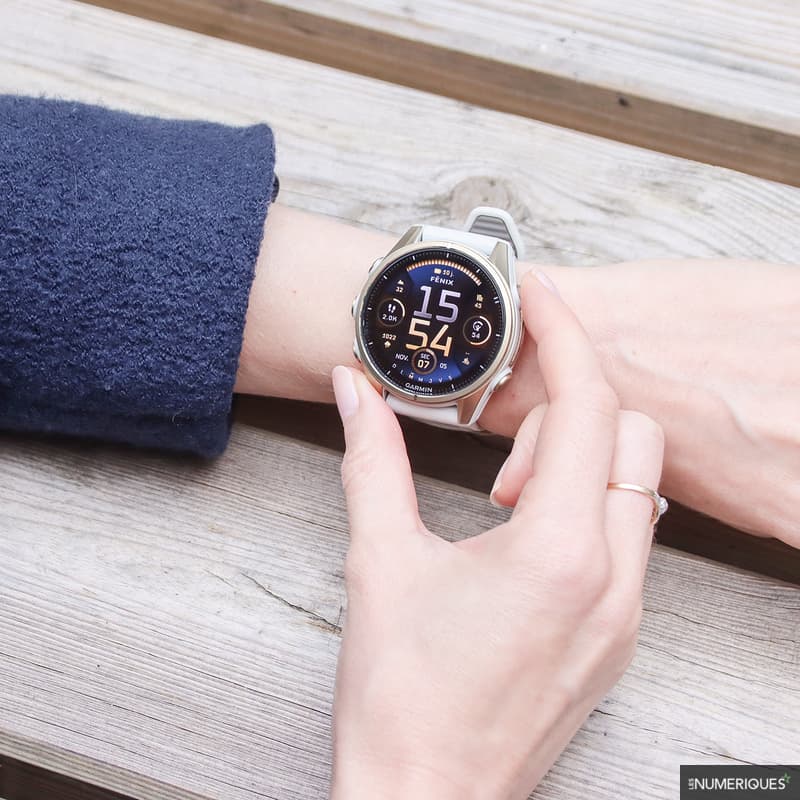
Les Numériques says athletes seeking deeper analysis should look to Garmin’s Forerunner or Venu ranges. We agree with the direction. If structured intervals are central to the plan, buying a watch whose reviewer already flags its weakest scenario is a false economy. And if outdoor capability is the priority, the discounted [Garmin Fenix 8](/en/articles/garmin-fenix-8-sale-brings-amoled-outdoor-watch-below-600-2026-10-24) sits in a different, more adventure-oriented conversation.
Verdict: at the reported Joybuy price, the Vivoactive 6 is a strong everyday Garmin for casual runners, gym users and general fitness tracking. Choose a Forerunner or Venu instead if interval accuracy and more advanced training analysis matter most.
Head-to-head comparisons
Buying guides