Suunto Run 2 Review: Offline Maps Meet a Leaner Watch
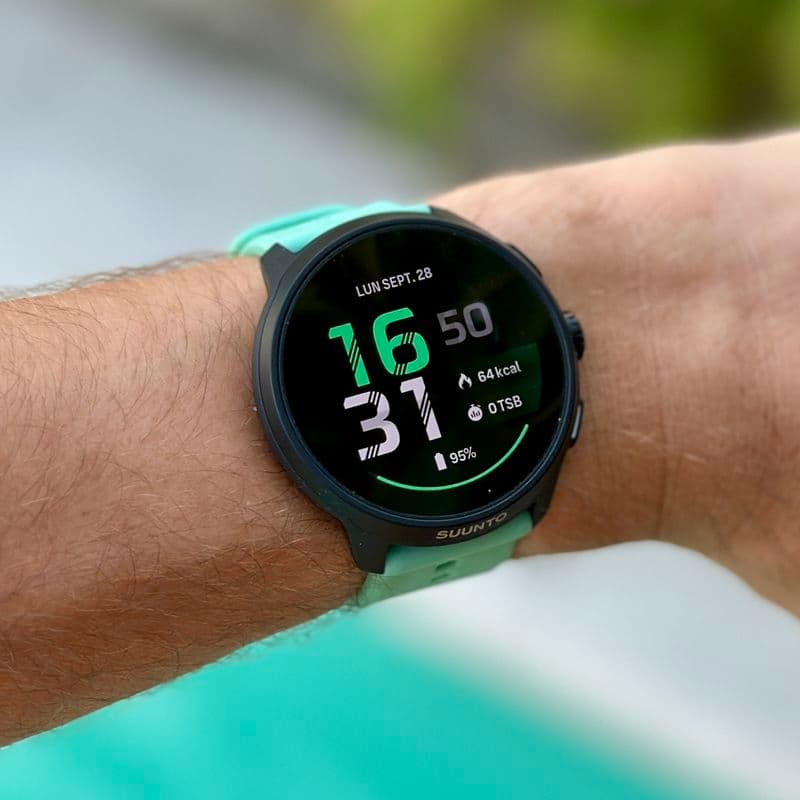
The Suunto Run 2 is a focused running watch built around offline maps, a bright OLED display and convincing GPS and heart-rate performance. Les Numériques tested it on October 24, 2026, and its verdict is clear: Suunto has stripped away smartwatch extras to put navigation and training data first. For runners and trail athletes, that is a sensible trade.
Built for long runs, not wrist theatre
At 35 g, the Run 2 should be easy to forget during daily training, even with its 46.5 mm case. The glass-fibre-reinforced polyamide case is a cost-conscious choice, with a stainless-steel bezel and silicone strap, but light weight matters more than premium materials when the session runs long. The standard strap fitting is useful too, since replacing a worn band should be straightforward.
Its 1.32-inch OLED screen has a 466 x 466 resolution and reaches 2000 cd/m² brightness, according to Les Numériques. That is the sort of upgrade athletes feel immediately when checking pace or a route in full sun. The watch also has 50 m water resistance, onboard music storage, a compass, SpO2 tracking, a barometric altimeter and dual-band GNSS. The latter uses satellites for position, while the barometric sensor uses air pressure to follow elevation changes, an important distinction for mountain days.
Maps and training data are the point
Offline mapping is the Run 2’s strongest argument. Download a route and Suunto’s Climb Guidance shows the profile and elevation as you move, so a trail runner or cyclist can navigate without carrying a phone. Les Numériques calls the dual-band GNSS tracking excellent in both urban areas and nature, with realistic, coherent tracks and fewer dropouts near buildings. That is exactly the practical stuff we want from a navigation watch.
The optical wrist heart-rate sensor also performed strongly in the publication’s testing. It closely matched a Polar H10 chest strap during steady endurance work and tracked repeated 15-second accelerations followed by 45 seconds of recovery. Remember what is being compared: the watch reads blood-volume changes at the wrist using optical PPG, while a chest strap reads the heart’s electrical impulses. Different methods, close results in this test. The companion app turns the watch data into training load, fitness, VO2 Max, sleep, minimum daytime and sleeping heart rate, and HRV views. Useful direction, not a laboratory assessment or a coach in disguise.
Battery life is another win. Under intensive use that included notifications, continuous heart-rate and sleep tracking, plus one GPS activity per day, Les Numériques got eight days before charging. That makes the Run 2 a far better fit for athletes who hate managing another daily charging routine.
What is missing is equally deliberate. There is no wrist payment, no downloadable apps, no speaker or microphone, and notification handling is limited enough that the sending app is not identified. The touchscreen is also described as finicky, while the interface remains very bare-bones. The plastic case and basic Gorilla Glass will not deliver the refined feel of [Suunto’s titanium Race 3S](/en/articles/suunto-race-3s-review-premium-small-watch-premium-price-2026-10-16), either.
Our verdict: choose the Suunto Run 2 if offline maps, low weight, dependable location tracking and useful training analysis matter more than smartwatch polish. Against Garmin’s Forerunner 170, as Les Numériques frames it, Suunto makes the stronger case for the athlete who wants navigation first and urban conveniences second.
Mentioned watches
Head-to-head comparisons