Grief Can Reshape Triathlon Training
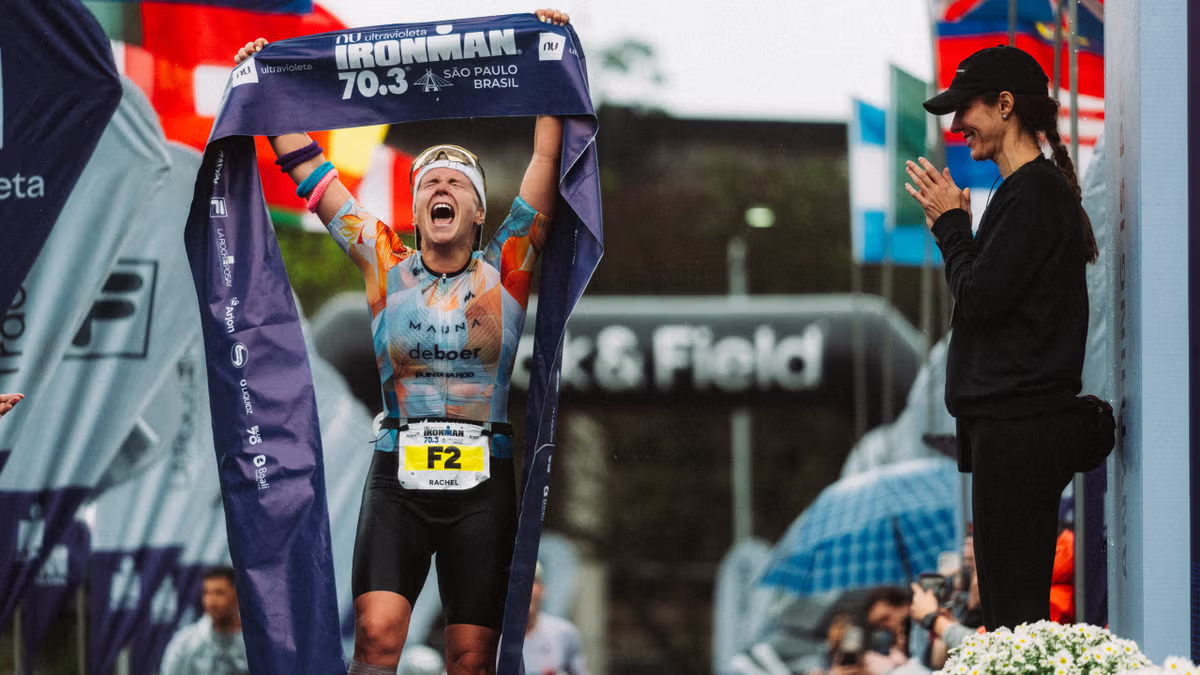
Professional triathlete Rachel Olson’s 2026 Ironman 70.3 São Paulo win came nearly two years after her mother died, but the important story is not the result. It is the reset behind it. As Triathlete reports, Olson went from exhaustion, inflammation and workouts she could barely begin to a lower, sustainable training load with a new coach. For endurance athletes, that is a useful corrective to the reflex to train harder when life falls apart.
Olson’s experience also cuts through the tidy idea that exercise always fixes grief. Movement can help. Training can create routine when everything else feels unrecognizable. Yet a pool session, ride or run can turn into one more demand when the athlete is already depleted. Olson described sitting at the edge of the pool crying, wanting to turn back on rides, and finding running, once an emotional outlet, a chore.
Grief is not a fitness problem
The physical signals matter. According to Triathlete, Olson had digestive issues, unexplained inflammation, deep exhaustion and poor muscle recovery after her mother Janis died in November 2024. Tests showed elevated inflammation markers and low ferritin, requiring an iron infusion. She was not diagnosed with one single condition, which is also the point: an athlete does not need a neat diagnosis before recognizing that their normal training response has changed.
The article cites neuropsychologist Wilfred van Gorp’s explanation that loss can keep the amygdala on high alert and elevate cortisol, affecting body and mind. Grief and stress may also disrupt brain-gut communication. This is not an argument to treat every bad block as grief, or to ignore medical assessment. It is an argument against treating fatigue, gut trouble and stalled recovery as a motivation failure. Watches can show trends, but they cannot decide whether an athlete needs a session, a lighter week or space away from the sport.
Make training smaller before making it harder
Olson tried to hold onto triathlon through the loss, including an Ironman World Championship about 10 months after her mother’s death. Her stomach rebelled on the bike and she withdrew soon after beginning the run, after vomiting for three hours. Afterward, she stepped away for a couple of weeks, then found coach Kasper Pedersen. Their approach was to keep volume relatively low, rebuild a baseline and make training feel helpful rather than like another alarm signal. That is smart coaching: context first, plan second. Athletes weighing tools and training structure can still use our [triathlon watch picks for 2026](/en/articles/coros-pace-4-pro-leads-triathlon-watch-picks-for-2026-2026-10-16), but no device replaces that judgment.
What is missing is a simple protocol. There is no universal cortisol score, recovery metric or number of rest days that can map grief cleanly. Olson still has days when she takes time off, and Triathlete stresses that physical responses vary. The disappointing truth for data-driven athletes is that a perfect training dashboard will not resolve a loss, and forcing a race to carry too much emotional weight can make the sport feel worse.
The verdict: keep triathlon available, not compulsory. For athletes dealing with grief, Olson’s path is a better model than trying to outrun it: reduce the load, communicate honestly, seek appropriate support and let enjoyment return before demanding performance.
Mentioned watches