Oura Ring Activity Score Explained: What Athletes Need to Know
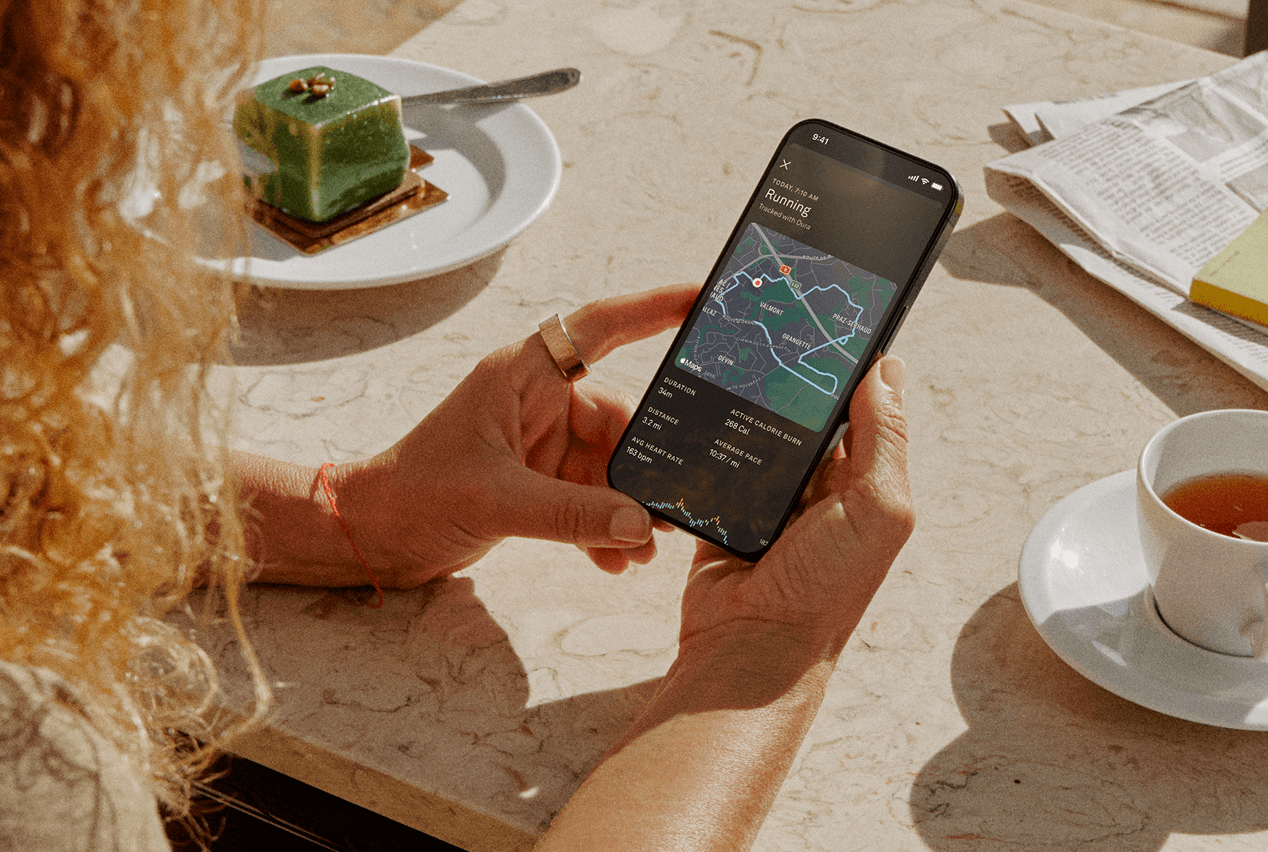
The Oura Ring Activity Score is a daily 0-100 metric that aggregates your movement, training load, and recovery signals into a single number. It sits alongside your Readiness and Sleep Scores, and together the three give you a quick picture of whether your body is ready to push or needs to back off.
The score pulls from several inputs: active calories burned, steps, training frequency, recovery time, and how often you hit your daily movement goals. Oura targets 600 active calories per day for most users, and rewards consistency over single-day heroics. Miss three days of movement and your score drops fast, even if one of those days included a hard long run.
Compared to Garmin's Body Battery or Whoop's Strain score, the Oura Activity Score leans more toward weekly patterns than single-session intensity. Garmin tracks real-time exertion during a workout. Oura tracks whether your overall lifestyle is active enough across the week. Both matter, but they answer different questions. For triathlon or ultra training blocks, Oura's weekly view is actually more useful for spotting under-recovery trends.
The main limitation is the lack of GPS and the ring's inability to detect sport-specific load without pairing to a phone or third-party app. A 90-minute bike ride at threshold and a 90-minute easy walk look different in Garmin Connect. In Oura, they need manual tagging to be correctly weighted. That gap matters if you are training seriously.
Solid tool for lifestyle and recovery context. Not a replacement for a dedicated sport watch.
Mentioned watches
Head-to-head comparisons