RiversideArt Ships 18 Free Garmin Connect IQ Apps in One Month
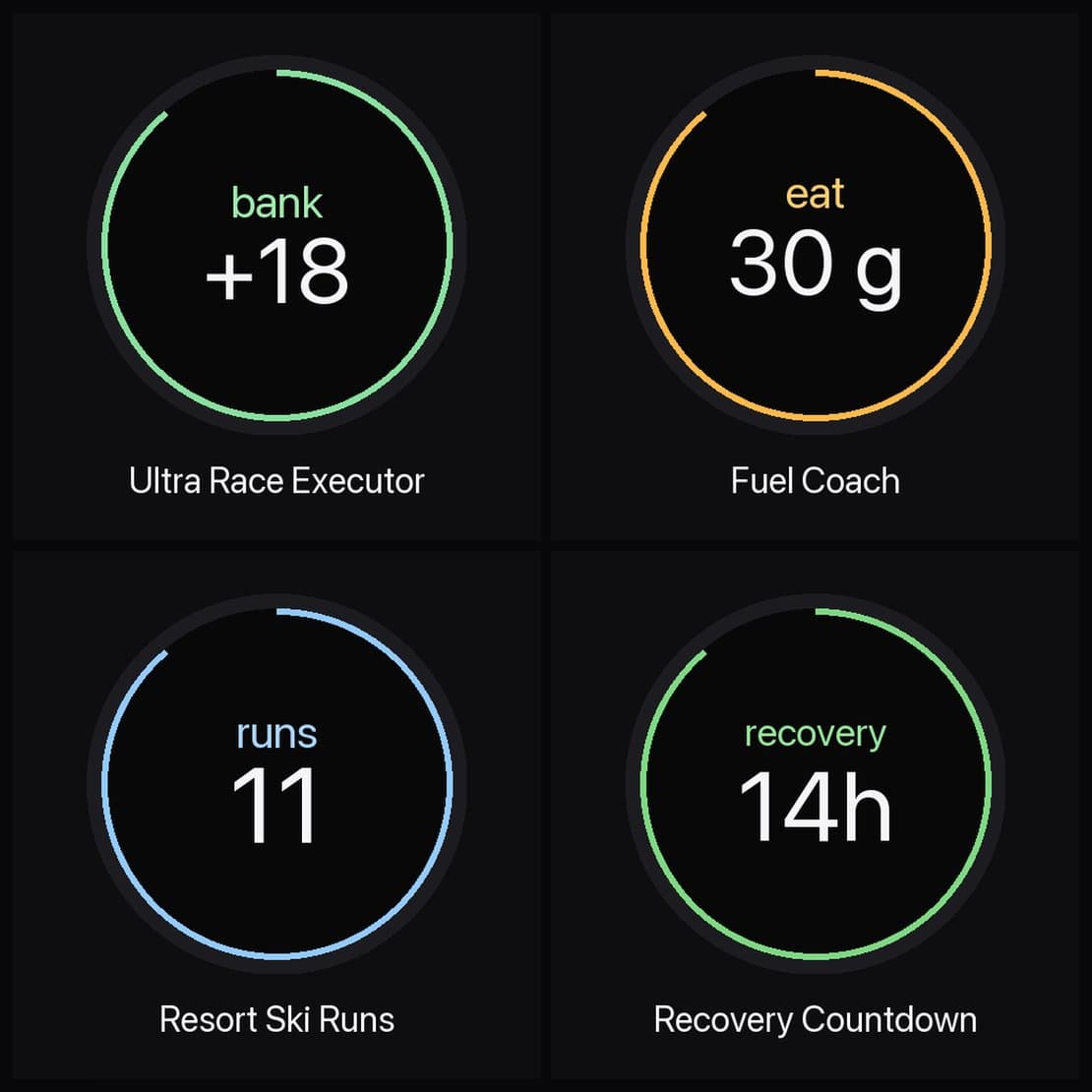
One developer, one month, 18 apps. RiversideArt, a solo Connect IQ shop, just dropped a full suite of Garmin tools with zero subscriptions attached. Every single one is either free outright or a one-time purchase with a 7-day trial. That is a deliberate stand against the direction Garmin itself has been pushing with Connect+.
What RiversideArt Actually Built
The lineup spans data fields, widgets, and activity apps targeting the kind of metrics endurance athletes actually care about. Think pace alerts, power display fields, recovery timers, and interval tools built for Garmin's Connect IQ platform. The apps run natively on compatible Garmin hardware, meaning they pull from whatever sensors your watch already uses: the wrist-based PPG optical sensor for heart rate, the barometric altimeter for elevation, GPS for position and pace. No separate hardware needed, no cloud subscription sitting between you and your data.
The one-time purchase model matters more than it sounds right now. Garmin's own Connect+ subscription has been a friction point for athletes who just want clean data without a recurring bill. Whoop charges $30 a month and locks you out of your own recovery scores if you cancel. Even Polar's premium coaching features now require a subscription tier. RiversideArt is pricing against that entire trend, which is going to resonate with the Garmin community that already paid $500 to $900 for a Fenix 8 or Epix Pro.
Technical Fit With Garmin Hardware
Connect IQ apps are constrained by what Garmin exposes through its SDK, so these tools work within real hardware limits. Heart rate data flowing into a custom data field comes from the watch's optical PPG sensor, not an ECG-based chest strap like a Garmin HRM-Pro. If you want electrical signal accuracy during high-intensity intervals, you still pair a chest strap separately. The apps themselves do not change sensor physics, they just display and process the data Garmin already captures. That is an important distinction: a slick data field cannot fix wrist optical HR lag during sprint efforts.
For cyclists using power meters, the apps can display watt-based fields pulled over ANT+ or Bluetooth from a paired device. For swimmers, Connect IQ swim app support depends on your specific Garmin model. The Fenix 8 and Forerunner 965 support Connect IQ in pool swim mode, while older hardware may not. If structured swim workouts pushed directly to your device is more your priority, the [AquaPlan integration for Garmin](/en/articles/aquaplan-sends-structured-swim-sessions-directly-to-garmin-2026-07-30) does something complementary in that space. RiversideArt's tools sit more in the display and alerting layer than the workout delivery layer.
Comparisons and Indie Ecosystem Context
This release fits into a wider pattern of indie Connect IQ developers filling gaps Garmin leaves open. Battery management is one example: we already covered [five indie battery alert apps for Garmin](/en/articles/garmin-battery-alert-connect-iq-apps-five-indie-tools-reviewed-2026-07-30) that solve a problem Garmin's native UI handles poorly. RiversideArt's 18-app drop feels similarly motivated. Coros still barely has a third-party app ecosystem at all, so athletes on a Coros Vertix 3 or Pace Pro have no equivalent option. Apple Watch has a massive app store but most fitness tools there are subscription-gated and the hardware prioritizes everyday use over endurance training specifics like barometric altitude tracking during ultras.
Garmin's own first-party data fields are functional but generic. A dedicated data field from RiversideArt that surfaces exactly the metrics a Hyrox athlete needs during a race simulation, or that shows a triathlete their normalized power and heart rate zone simultaneously without burying it three screens deep, is genuinely useful. The 7-day trial is the right call. Athletes train in cycles and need to test software under real load before committing.
What Is Missing or Disappointing
Eighteen apps in one month from a single developer raises a quality question. Some of these will be polished and some will feel rough. Indie Connect IQ apps have historically had inconsistent update cycles, and if RiversideArt burns out or moves on, you could be left with apps that break on future Garmin firmware updates. The [July 2026 firmware bug tracker](/en/articles/garmin-suunto-coros-firmware-bugs-july-2026-tracker-2026-07-29) is a reminder that even Garmin's own code ships with issues. Third-party apps sitting on top of that are one more variable. There is also no word yet on which specific Garmin models each app supports, and compatibility gaps in Connect IQ can be frustrating to discover after purchase.
The lack of a subscription is a genuine positive, but it also means no recurring revenue to fund ongoing support. One-time purchases fund the developer once. If you are buying into 18 apps at once, vet each individually before paying for anything beyond the trial period. Prioritize the ones solving a specific problem you actually have during training.
RiversideArt's suite is worth exploring if you are a Garmin user who is tired of subscription creep and wants lean, functional tools for running pace, cycling power, or interval management. Runners on a Forerunner 265 or 965 and cyclists on a Edge-paired Fenix setup get the most out of this. If you are already deep in the Garmin ecosystem and own a newer watch, the free tier alone is worth 20 minutes of your time. Just go in with realistic expectations about long-term support from a one-person shop.
Mentioned watches
Head-to-head comparisons
Buying guides