Samsung Galaxy Watch Classic Discontinued, Ultra 2 Takes Over in 2026
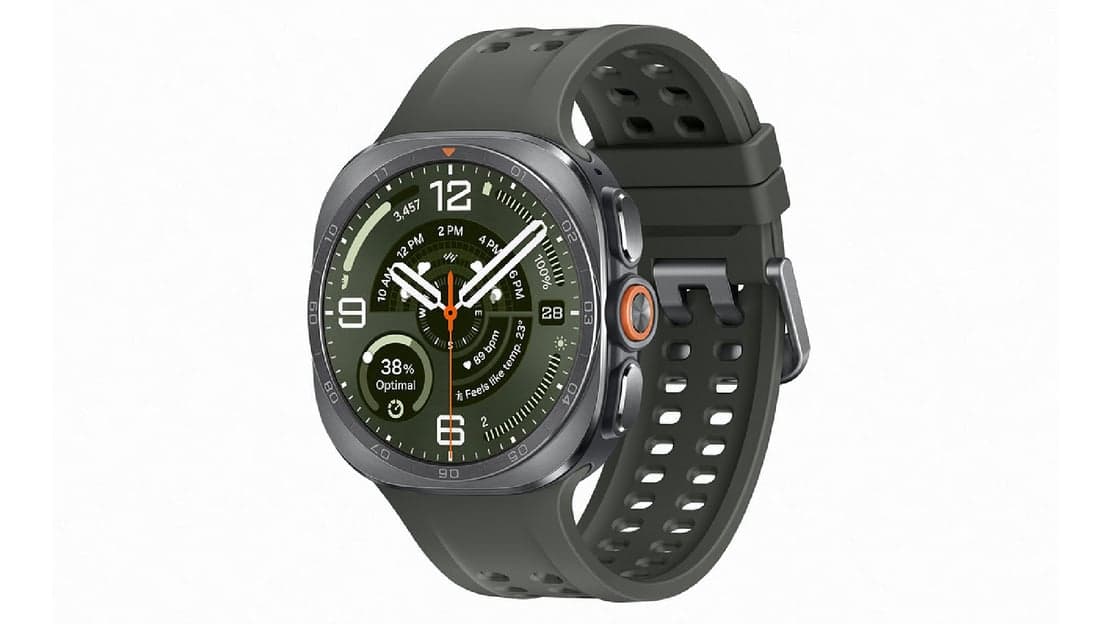
Samsung is killing the Galaxy Watch Classic. No Classic model number has shown up in FCC or CMIIT regulatory filings ahead of the reported 22 July Unpacked event, and at this stage in the product cycle, that silence is definitive. The rotating bezel, one of the most distinctive physical controls in the smartwatch space, is gone from the Classic lineup for good.
What the Ultra 2 Inherits
The Ultra 2 absorbs the design DNA that made the Classic appealing to serious users. Samsung is clearly betting that one premium rugged line can cover both the enthusiast smartwatch crowd and the endurance athlete segment. That is a bold consolidation, and it puts the Ultra 2 in direct competition with the Apple Watch Ultra 3, which as of late July 2026 is [hitting its lowest-ever prices during Prime Day](/en/articles/apple-watch-ultra-3-and-series-11-hit-lowest-ever-prime-day-prices-2026-07-21), making the timing of Samsung's positioning even more interesting.
The original Galaxy Watch Ultra leaned hard into the titanium chassis and the physical action button, two features the Classic crowd actually cared about. If Ultra 2 brings the rotating bezel back in some form on a rugged body, Samsung might pull off the merger cleanly. If it does not, it loses the tactile crowd to Garmin's Fenix 8 series or even the Coros Vertix 3, both of which offer physical button-driven navigation that athletes genuinely prefer mid-workout when sweaty gloves or wet fingers make touchscreens useless.
Sensor Stack and Athletic Credentials
For endurance athletes, the watch platform matters less than the sensor execution. Samsung's wrist-based optical PPG sensor has been competitive for resting heart rate and general HRV tracking, but during high-intensity intervals it still trails Polar's optical implementation on the Pacer Pro and lags behind pairing a dedicated chest strap, which uses electrical ECG impulses for millisecond-accurate beat detection. The Ultra 2 needs meaningful optical sensor improvements if it wants to be taken seriously by triathletes and runners who actually train by heart rate zones. SpO2 monitoring via optical sensor is present on the current Ultra, useful for altitude acclimatization checks, but the readout speed and background monitoring drain battery harder than on Garmin's Fenix 8 Solar.
GPS accuracy on the first Ultra was solid in open sky, roughly on par with Coros Vertix 2S in clear conditions, but multiband performance in urban canyons and dense forest was inconsistent compared to Garmin's dual-frequency implementation. The barometric altimeter, which reads air pressure changes to calculate elevation gain, performed well on the original model with minimal drift over a 4-hour trail run. These are the metrics that matter for a Hyrox athlete counting floors or a cyclist tracking 3,000m of Alpine climbing. Ultra 2 needs to hold or improve all three to stay credible.
Battery life is the other number that will define whether Ultra 2 earns shelf space in an endurance athlete's kit. The first Ultra managed around 60 hours in basic GPS mode, well behind the Coros Vertix 3 at over 100 hours or the Garmin Fenix 8 Solar which extends even further with solar input. Wear OS overhead is the structural penalty Samsung pays here. Whoop 5.0 sidesteps the GPS entirely and lasts 30 days on a wrist charge, a different category but a useful reminder that battery strategy is a real differentiator.
What Is Still Missing
The discontinuation of the Classic also removes the most affordable entry point into Samsung's physical-bezel ecosystem. Budget-conscious athletes who wanted tactile control without paying Ultra prices had the Classic as an option. That path is now closed. There is also no confirmed word on Wear OS improvements that would reduce the platform's notorious background process battery drain, no indication of a dedicated triathlon multi-sport mode with automatic transition detection on par with Garmin's, and the sleep tracking and recovery scoring still lacks the granularity of Whoop's strain and recovery model, which uses optical PPG to build multi-day recovery curves that actually change training decisions.
Samsung's Ultra 2 is the right watch for someone already in the Galaxy ecosystem who wants a rugged daily driver that handles swim tracking, GPS runs, and smartwatch notifications in one package. At an expected price above 600 USD, it sits against the Apple Watch Ultra 3, which now has a deeper third-party fitness app ecosystem and arguably better running metrics via Stryd integration. If pure endurance performance and battery life are the priority, the Garmin Fenix 8 or Coros Vertix 3 remain the harder choices to argue against. Ultra 2 has to show up at Unpacked on 22 July with real sensor upgrades to change that calculus.
Mentioned watches
Head-to-head comparisons
Buying guides