Suunto Race 2 and Vertical 2 July 2026 Update: 200 Routes, Richer Maps
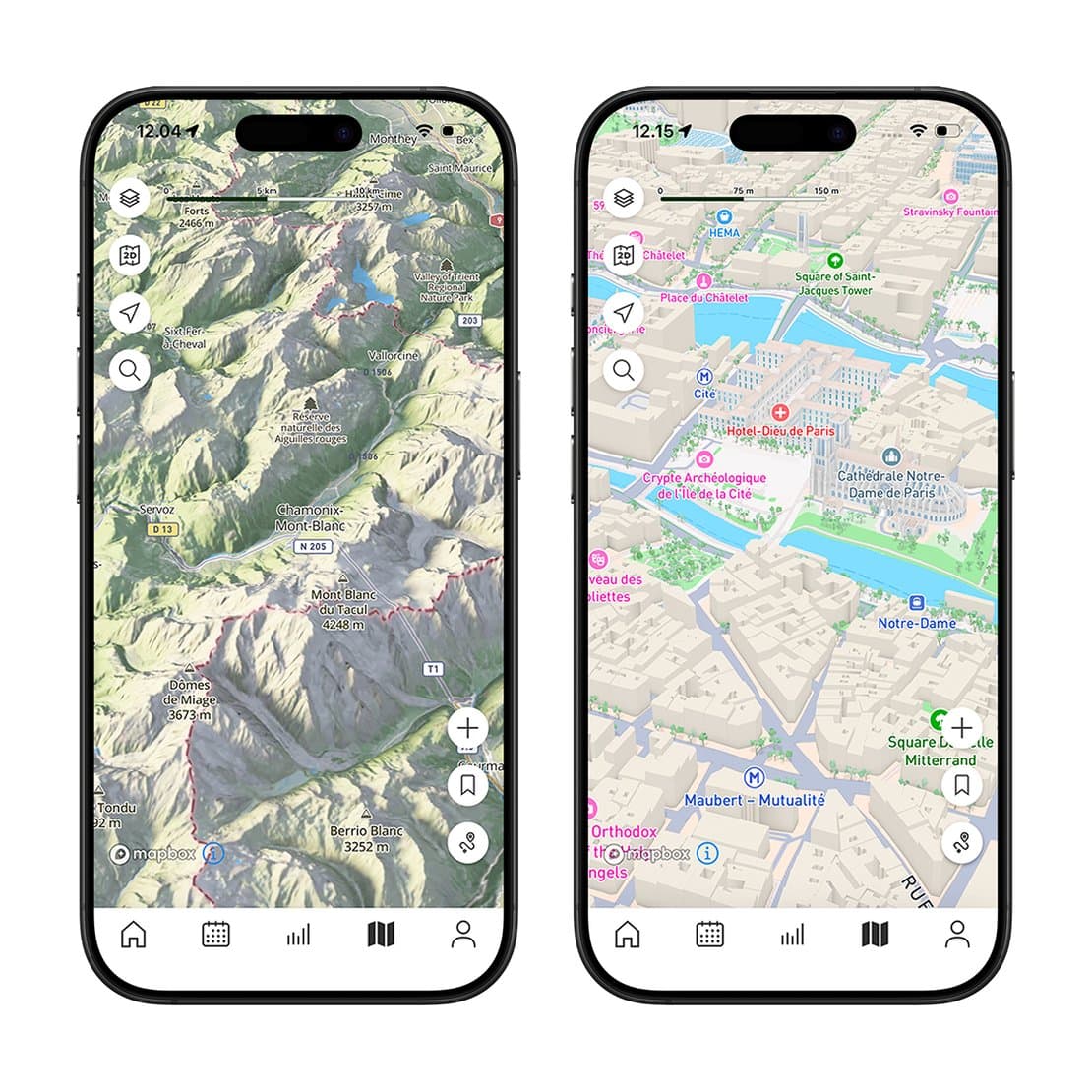
Suunto pushed a significant navigation-focused software update in July 2026 for both the Race 2 and Vertical 2, bumping on-watch route storage from 15 to 200 and adding several mapping features that trail runners and mountain cyclists have been asking about for a while. This is not a sensor update or a training metrics overhaul. It is purely about getting you where you need to go, with more visual context on your wrist.
What the Update Actually Adds
The headline number is the route storage jump: 15 to 200 routes stored directly on the watch. That is a massive leap. For context, Garmin's Fenix 8 and Epix Pro already handle large route libraries, but Suunto was genuinely lagging here, especially for athletes who plan multi-day ultras or bikepacking trips and want everything pre-loaded. The update also brings contour shading to the map view, so elevation changes are visually represented rather than just implied by the topographic lines. Map layer controls let you toggle what you see on screen, which matters when you are moving fast and need clean readability over information density.
Two additional features round out the update. Tide information is now visible on the map, which is niche but genuinely useful for coastal runners, open-water swimmers doing coastal routes, or triathletes scouting ocean swim exits. The vertical gain training target is the one metric addition here: you can set a specific elevation gain goal for a session and track it in real time. The altimeter on the Race 2 and Vertical 2 uses a barometric pressure sensor to calculate elevation, which gives accurate vertical gain data independent of GPS signal quality. That is the right architecture for this feature.
Navigation Compared to Garmin and Coros
Garmin's Fenix 8 and Epix Pro 2 have long set the benchmark for on-device navigation: multi-band GPS, large color maps, ClimbPro, SkiView, full topo layers. Coros has been building its navigation stack more slowly but added AllTrails integration in its June 2026 update, which you can read about in our [COROS June 2026 update breakdown](/en/articles/coros-june-2026-update-heart-rate-recovery-battery-health-alltrails-2026-07-28). Suunto's strength has always been map quality and color rendering on the Race 2's AMOLED display. The new contour shading and layer controls push that further. Where Suunto still trails Garmin is in breadcrumb navigation robustness and the depth of turn-by-turn prompting on complex trail networks.
The 200-route limit now matches or exceeds what most athletes actually need in the field. Polar's Grit X2 Pro manages route navigation but lacks the map richness of the Race 2's display. If you are a trail ultra runner who pre-loads a full race season of courses, 200 slots removes a genuine friction point that existed at 15. The vertical gain target feature is a direct answer to mountain training tools that platforms like TrainingPeaks have had in workout builders for years, now surfaced on the wrist during the effort.
Practical Use Cases for Endurance Athletes
For trail runners and hikers, the contour shading is the most immediately useful visual change. Reading gradient from flat topo lines at a glance while moving at race pace is hard. Shading that darkens with steeper terrain is faster to interpret. Combine that with the vertical gain target and you have a real-time elevation budget for your session, useful for structured vert workouts or pacing strategy in a race with known climb profiles. Coastal triathletes and open-water swimmers will find the tide data genuinely practical, not a gimmick, especially for athletes who train on tidal rivers or exposed coastlines where timing affects safety.
Cyclists using the Vertical 2 on gravel or bikepacking routes benefit most from the 200-route storage. Loading a full race event library, including recon rides, race segments, and alternative bail-out routes, is now feasible without syncing before every ride. The map layer controls also help on a bike, where you might want a stripped-down view at high speed versus a detail-rich view at a navigation checkpoint. Worth noting: this update has been tracked as part of the broader July firmware activity across brands, and if you want the full bug and stability context across Garmin, Suunto, and Coros this month, our [July 2026 firmware bug tracker](/en/articles/garmin-suunto-coros-firmware-bugs-july-2026-tracker-2026-07-29) is worth checking before updating.
What is missing here is any improvement to the training analytics side of things. Recovery metrics, HRV tracking from the optical PPG sensor, sleep staging, and load management on the Race 2 remain unchanged. Athletes who bought the Race 2 partly for its health monitoring and found it underwhelming versus a Whoop 5.0 or Polar H10-paired Vantage V3 setup will not find relief in this update. The SuuntoPlus app ecosystem is growing, with 40 community apps now available as of late July 2026 per our [SuuntoPlus coverage](/en/articles/suuntoplus-hits-40-community-apps-three-months-after-opening-2026-07-29), but native analytics depth is still a gap.
This update is squarely for the navigation-first athlete. If you bought the Race 2 or Vertical 2 for maps, terrain awareness, and route-heavy training, July 2026 makes both watches meaningfully better. If you are choosing between the Race 2 and a Garmin Fenix 8 Pro Solar and navigation is your priority, the gap just got smaller. If recovery analytics drive your buying decision, look at Polar Vantage V3 or pair any watch with Whoop. The Race 2 starts around 599 euros and the Vertical 2 around 699 euros: this update does not change the price but it does improve the value case for mountain athletes specifically.
Mentioned watches
Head-to-head comparisons
Buying guides