Train to Mountain App: Adaptive Training for 3,000 to 5,000m Peaks
Train to Mountain is a new adaptive training platform built specifically for mountaineers targeting peaks between 3,000 and 5,000 meters. It is not a generic fitness app with a hiking mode bolted on. The platform models mountain-specific fitness variables including descent load and altitude stress, then adjusts your training plan around them. If you are a triathlete or trail runner eyeing your first alpine objective, this is worth knowing about.
What the Platform Actually Models
The core idea is that mountaineering fitness is not the same as running fitness. Descent load is a real and often underestimated stressor: repeated eccentric muscle loading on long descents causes damage that accumulates across days, not hours. Train to Mountain accounts for this separately from aerobic load, which is the right call. Altitude modeling is the other pillar. The app estimates physiological stress based on your target elevation profile, not just distance or vertical gain. That matters because the difference in effort between a 3,000m summit and a 5,000m summit is not linear, especially above 4,000m where partial pressure of oxygen drops sharply and SpO2 readings on wrist optical sensors start to look alarming even in well-acclimatized athletes.
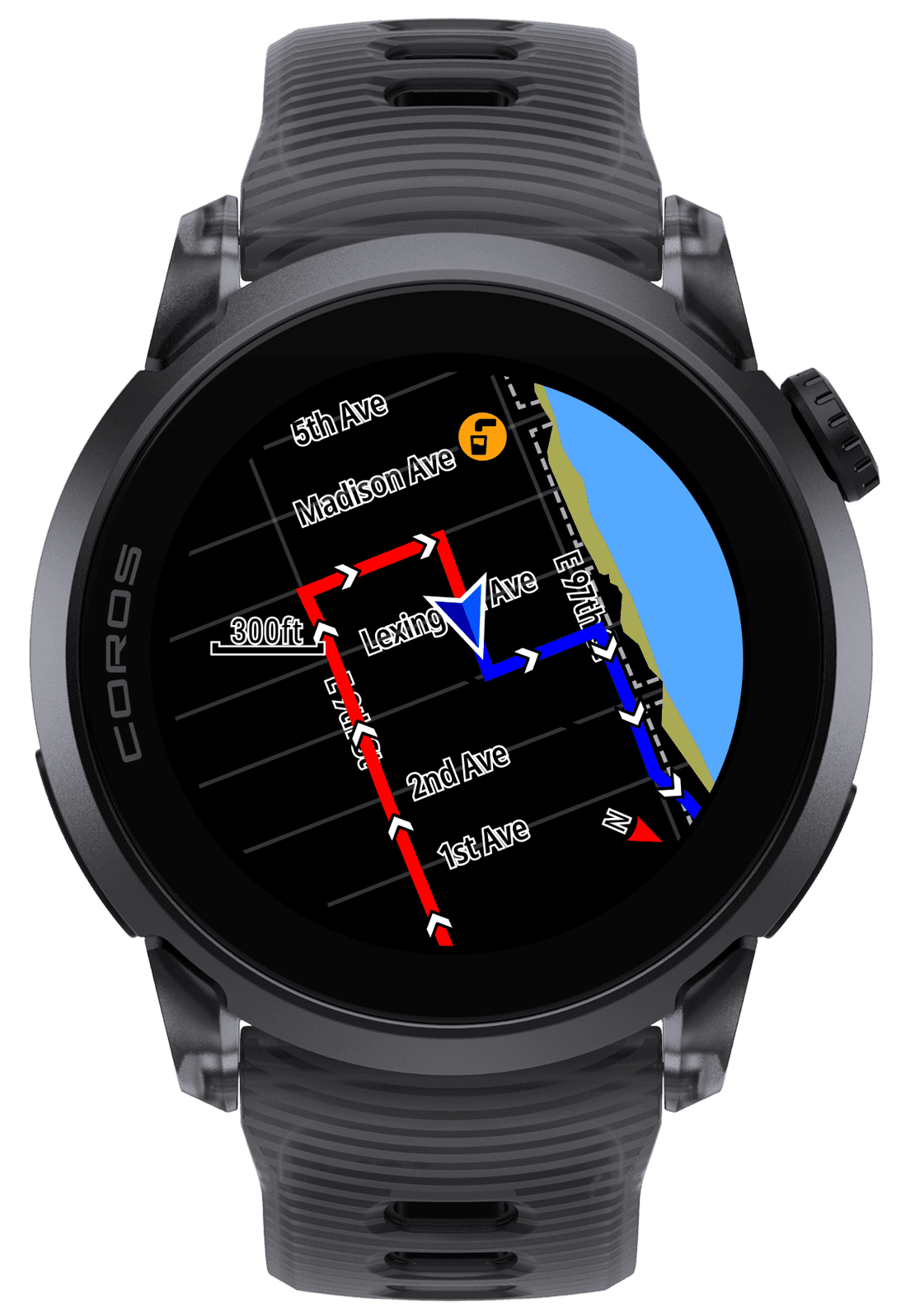
The platform connects to Garmin, Coros, and Suunto watches, pulling in activity data directly. No Apple Watch or Polar support is listed at launch, which is a gap worth flagging. On the Garmin side specifically, the integration means the app can read structured workout data, GPS tracks, and barometric altimeter readings. Quick note on sensor physics here: baro altimeters on watches like the Garmin Fenix 8 or Coros Vertix 2S measure air pressure to calculate elevation, not GPS. GPS handles horizontal positioning. Both matter for accurate mountain data, and Train to Mountain appears to use both data streams correctly.
Comparing the Approach to Existing Tools
Garmin's own Climb Pro and altitude acclimation features on the Fenix and Epix lines give you real-time elevation data and basic grade-adjusted pace, but they do not build adaptive training plans around mountain-specific physiology. Coros's Training Hub is solid for volume management but similarly generic. TrainingPeaks has long been the gold standard for structured plan building, though as of July 2026 Garmin now owns it, which raises interesting questions about where that ecosystem heads next. You can read more about that acquisition at [/en/articles/garmin-buys-trainingpeaks-in-july-2026-what-it-means-2026-08-07]. Train to Mountain sits in a different lane: narrower use case, deeper domain specificity.
Whoop 5.0 and Polar's recovery scores give you HRV-based readiness data that you could theoretically use to self-regulate a mountain training block, but neither models altitude stress or descent load in any structured way. For an athlete doing a 12-week build toward Mont Blanc or Kilimanjaro, that is a meaningful limitation. Train to Mountain's adaptive logic is built around the mountain objective first, then works backward to your current fitness. That is the correct direction of travel for goal-oriented training.
Practical Use for Endurance Athletes
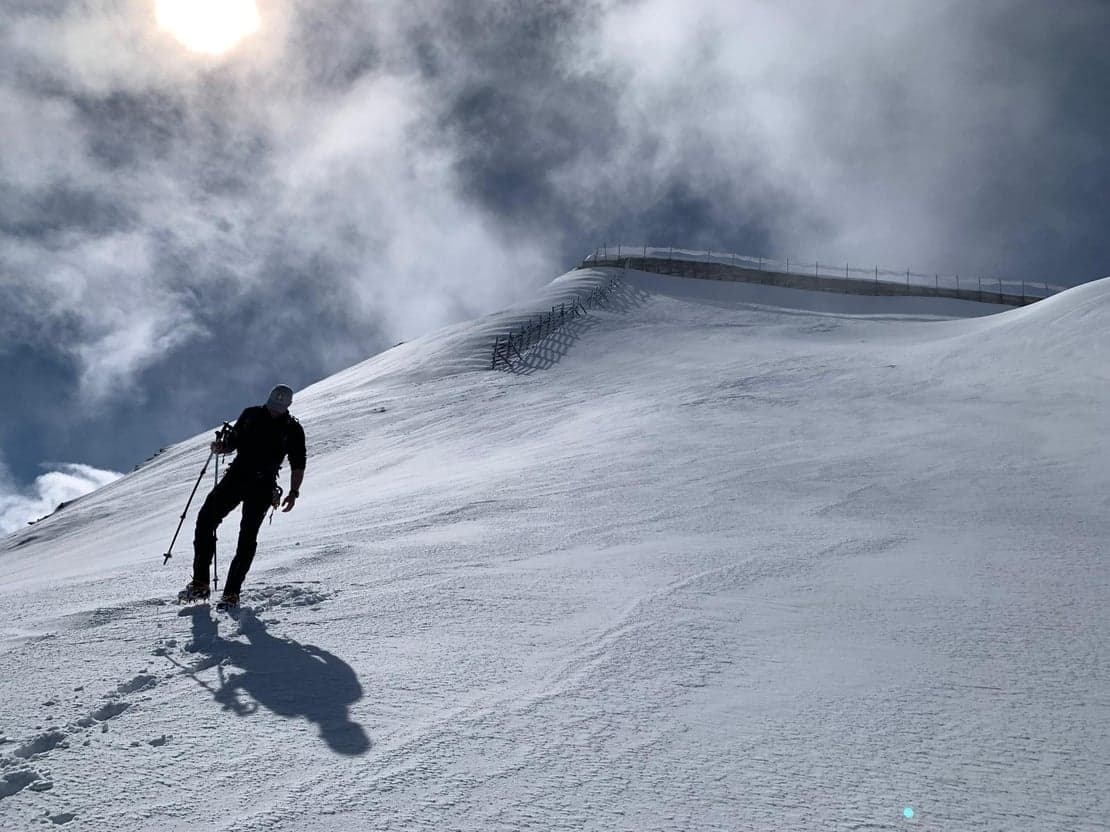
If you are a runner or triathlete crossing into alpinism, the app's approach to descent load is where you will feel the most immediate value. Runners already understand eccentric loading from downhill repeats, but mountain descents at 1,000 to 2,000m of vertical over loose terrain are a different stimulus entirely. Having a platform that prescribes and tracks that load specifically, rather than lumping it into generic TSS, reduces your injury risk in the final weeks before an expedition. For cyclists, the cardiovascular base transfers well but the leg-specific conditioning for sustained descent braking does not. The app presumably accounts for this in the fitness modeling, though the depth of sport-specific differentiation is not fully documented in early materials.
Recovery integration via the Garmin and Coros connections means the app can read HRV-derived readiness scores from those watches. Garmin uses optical PPG at the wrist to measure blood volume pulse, then derives HRV from interbeat intervals. It is not as precise as a chest strap ECG signal, but across a multi-week training block the trend data is reliable enough to inform load adjustments. Train to Mountain's adaptive engine should ideally be using this data to back off sessions when recovery is poor, similar to how platforms like Vitara handle Apple Health data for readiness-driven planning. See how Vitara approaches that problem at [/en/articles/vitara-app-turns-apple-health-data-into-athlete-training-insights-2026-07-21].
The platform targets 3,000 to 5,000m athletes specifically, not Himalayan expeditions. That scope is honest and useful. Peaks in this range include Mont Blanc (4,808m), Kilimanjaro (5,895m is slightly above the stated ceiling), Elbrus (5,642m), and dozens of accessible alpine objectives in the Alps, Andes, and Rockies. The 3,000m floor covers serious alpine terrain without requiring technical mountaineering skills, which means the addressable audience includes a large chunk of the trail running and ultra-endurance community.
What is missing is meaningful: no Apple Watch integration, no Polar support, and no mention of Whoop connectivity. Apple Watch users represent a massive athlete segment, and excluding them at launch limits reach considerably. There is also no clarity yet on how the app handles athletes who lack access to altitude for pre-expedition training, which is most people. Hypoxic training tools, altitude tents, and simulated altitude workouts are increasingly common, and a platform this specific should have a position on them. Pricing information is sparse, which makes it hard to benchmark against a TrainingPeaks subscription or a Coros coaching plan.
Train to Mountain is a focused, technically credible tool for a specific athlete: someone with a real mountain objective between 3,000 and 5,000m, using a Garmin, Coros, or Suunto watch, who wants a plan that accounts for altitude and descent stress rather than treating a mountain like a hilly run. If that describes you, it deserves a serious look. If you are on Apple Watch or Polar, you are waiting for a future update. The closest alternative is building a custom block in TrainingPeaks with a coach who understands alpinism, which costs more and requires finding the right person.
Mentioned watches
Head-to-head comparisons
Buying guides