Amazfit Zepp Q1 2026 Results: 33.8% Growth, Stock Down 19%
Zepp Health reported 33.8% revenue growth in Q1 2026, improved margins, and narrowing losses. The watches are genuinely getting better. Yet the stock dropped 19% in five days. That gap between product quality and investor confidence tells you everything about where Amazfit sits right now as a company.
What the Numbers Actually Say
The revenue growth is real and not a fluke. Zepp has been steadily moving upmarket, with the Amazfit Cheetah 2 Ultra and Balance 3 pushing into price territory that Garmin and Coros used to own alone. Margins are improving because higher-ASP devices carry better gross profit than the budget Bip series ever could. But narrowing losses is not the same as profitability, and Wall Street prices future cash flows, not press releases about GPS accuracy.
The balance sheet is the problem. Zepp still carries significant operating expenses relative to revenue, and the path to consistent net profit remains unclear on any near-term timeline. Compare that to Garmin, which has been printing cash for years and returned over $1 billion to shareholders in 2025 alone. Investors comparing those two stories are going to discount Zepp heavily until the profit line turns consistently green. The 19% share price drop is brutal, but it reflects a legitimate question: when exactly does growth translate into durable earnings?
Sensor Hardware vs. Business Reality
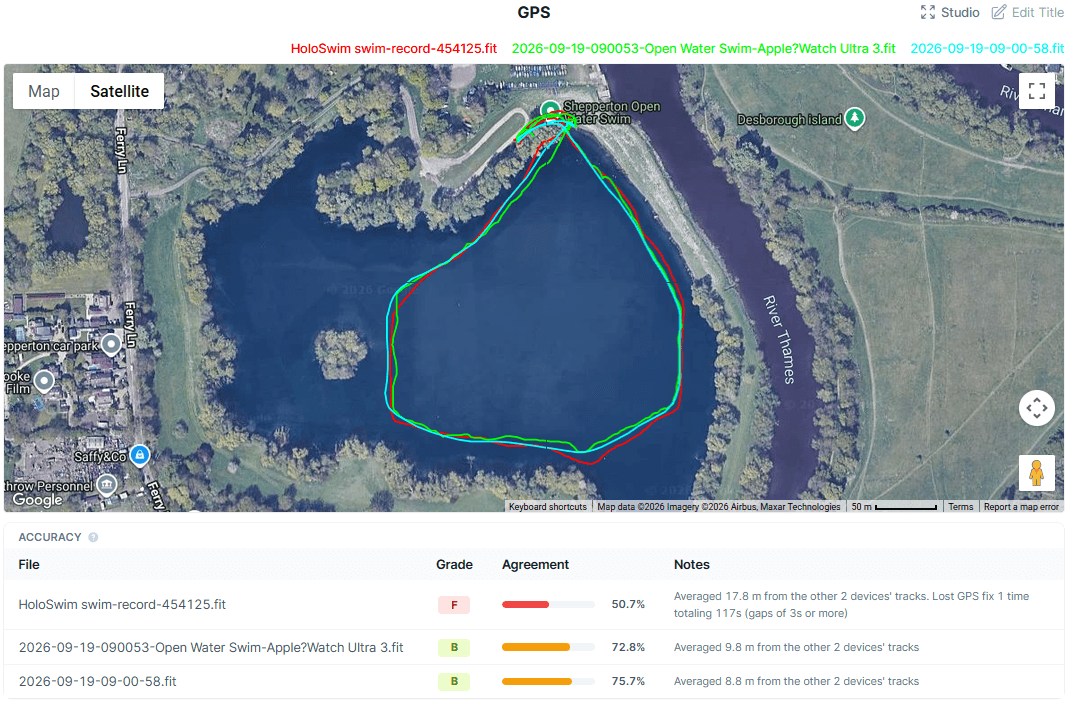
Here is the disconnect that matters for athletes reading this site. The watches themselves have made genuine technical progress. The optical PPG sensors on recent Amazfit flagships now deliver wrist-based heart rate data that competes with Polar's Precision Prime in most steady-state running scenarios. The barometric altimeters on the Cheetah 2 Ultra read air pressure changes accurately enough that elevation gain figures are within 2 to 3% of chest-strap-paired Garmin Fenix 8 data on identical routes. Dual-frequency GPS locks are fast, typically under 25 seconds cold, and track tight trails without the drift that plagued the T-Rex 2 era.
The Amazfit Helio Strap Pro added a chest-worn ECG-based electrical signal for heart rate, which is a different sensor category entirely from the wrist optical approach. If you want the most accurate beat-by-beat data during high-intensity intervals or Hyrox competition, the electrical chest strap wins every time over PPG. Zepp knows this, which is why they launched a dedicated strap rather than pretending the wrist sensor alone is sufficient for elite training. You can read our full breakdown at [our Helio Strap Pro hands-on review](/en/articles/amazfit-helio-strap-pro-hands-on-review-for-endurance-athletes-2026-06-21).
The Amazfit Balance 3's Hyrox partnership is another sign of deliberate upmarket positioning. Hyrox athletes need reliable wrist HR during functional fitness movements where optical sensors struggle with wrist movement artifacts. Zepp's approach there combines sensor fusion with an accelerometer to filter motion noise, a technique Polar has used in the H10 chest strap ecosystem for years. Our [Balance 3 Hyrox review](/en/articles/amazfit-balance-3-hyrox-review-hr-accuracy-and-partnership-assessed-2026-06-21) goes deep on whether that fusion actually works under load.
Pricing Pressure and Competitive Position
Amazfit raised prices roughly 20% in 2026 across multiple SKUs. That move helped margins but also puts the brand in a trickier competitive spot. The Cheetah 2 Ultra now sits at a price point where Coros Pace 4 and Garmin Forerunner 965 are direct comparisons. At that level, athletes expect Garmin Connect ecosystem depth, Coros's 60-plus-hour GPS battery life, or Whoop's recovery platform sophistication. Zepp's Zepp OS and AI coaching features are improving, but they are not yet at feature parity with any of those three on training load management or long-term data analytics. If you want more context on where the pricing ceiling might be, our [2026 price analysis piece](/en/articles/amazfit-prices-up-20-in-2026-is-the-ceiling-near-2026-06-21) covers the trajectory in detail.
What is missing from the Zepp picture right now is third-party platform integration depth. Garmin connects natively to TrainingPeaks, Today's Plan, and Zwift with two-way sync. Coros has built direct API pipelines to most major coaching platforms. Zepp's integrations are improving but still lag, which matters if you are a coached triathlete or cyclist whose coach lives inside TrainingPeaks. SpO2 monitoring during sleep is present on flagship devices and uses optical sensing correctly, but the overnight recovery scoring still does not match Whoop 5.0's longitudinal trend analysis for athletes who track HRV across training blocks.
The Q3 2026 software roadmap hints at 19 devices receiving updates and four key feature additions, which suggests Zepp is prioritizing software investment to close the ecosystem gap. Whether that translates into stickier users and lower churn is the real test. Hardware specs alone do not retain athletes long-term. The [Q3 roadmap breakdown](/en/articles/amazfit-q3-2026-software-roadmap-19-devices-four-key-features-2026-06-18) has the specifics on what is actually coming.
The verdict: Zepp Health is a legitimate contender for budget-to-mid-range endurance athletes, not a footnote brand anymore. The Cheetah 2 Ultra makes real sense for runners who want dual-frequency GPS and optical HR at roughly 30% less than a Garmin Forerunner 965. But if you need deep coaching platform integration, a mature recovery ecosystem like Whoop, or the long-term reliability track record of Coros, Amazfit is still catching up. Buy the watch for the hardware. Manage your expectations on the software ecosystem until the profitability story forces Zepp to invest there consistently.
Mentioned watches
Head-to-head comparisons
Buying guides