Apple Watch Sleep Score Explained: What Athletes Need to Know
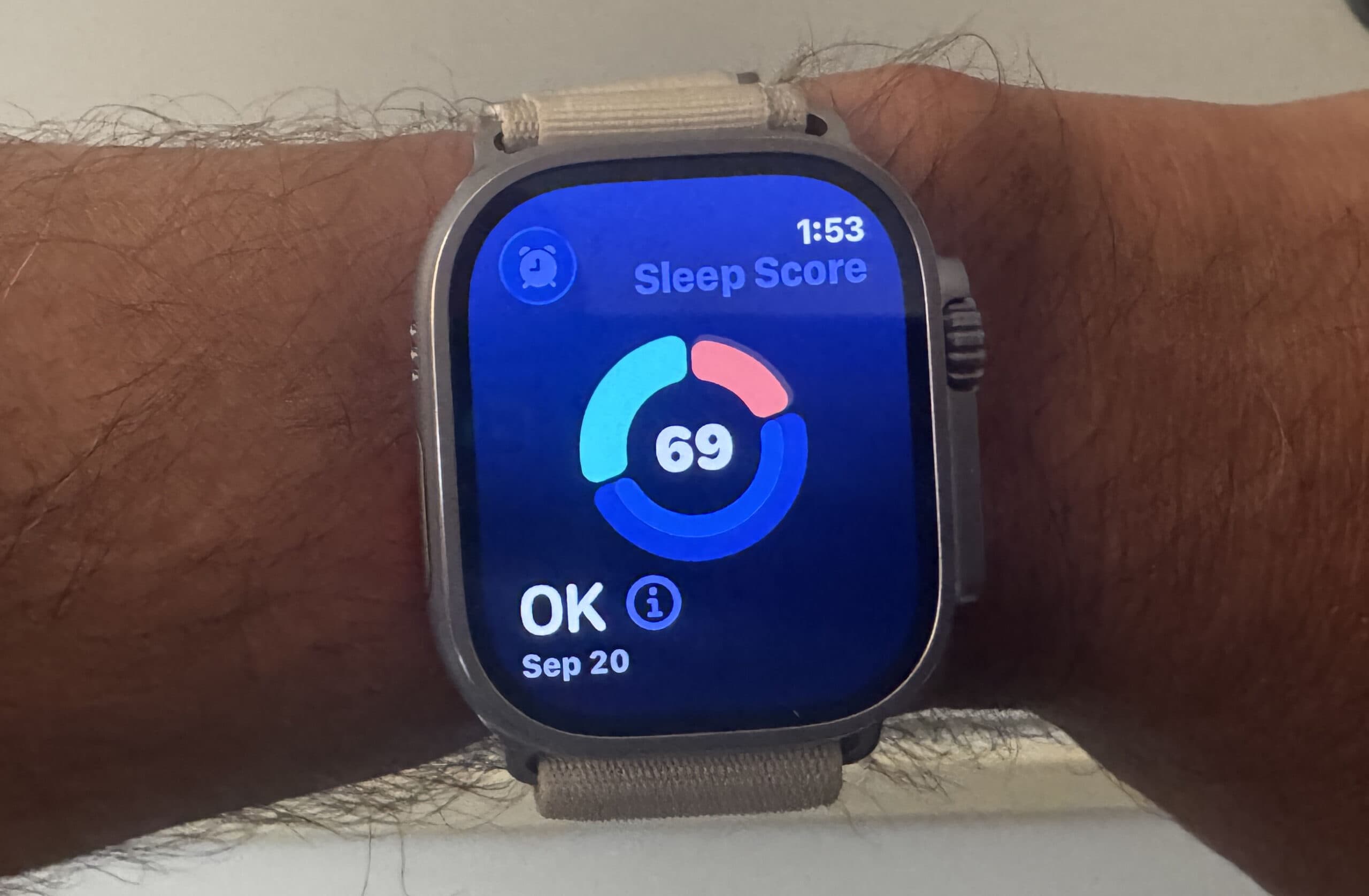
Apple Watch calculates its sleep score using four core pillars: total sleep duration, sleep quality (time spent in each stage), sleep restoration (heart rate and respiratory rate trends overnight), and consistency of your sleep schedule. The score runs from 0 to 100, and Apple weights restoration and duration most heavily. That matters for endurance athletes because your recovery windows are tight.
Compared to Whoop or Garmin's Body Battery, Apple's approach is more opaque. Whoop breaks down your recovery into HRV, resting heart rate, and sleep performance as separate levers you can actually pull. Garmin gives you a Body Battery score that rolls across the day. Apple gives you a single number with limited drill-down, which makes it harder to act on.
The sleep stages Apple detects (Awake, REM, Core, Deep) rely on the accelerometer and heart rate sensor, not EEG. Polar and Coros use similar hardware-based methods. Accuracy on deep sleep detection across all these devices sits around 70 to 78% compared to clinical polysomnography. Good enough for trends. Not good enough for clinical decisions.
For a runner or triathlete, the score most worth chasing is deep sleep percentage. That is where physical repair happens. If your Apple Sleep Score is above 80 but your deep sleep sits under 15% of total sleep time, dig into the Health app stages breakdown. A score of 85 with 20% deep sleep beats a score of 90 with 10% deep sleep every time.
Solid data presented simply, but Apple leaves too much on the table for serious athletes. If sleep drives your training decisions, Whoop 4.0 or a Garmin with HRV Status still gives you more actionable levers. Use Apple Sleep Score as a daily check-in, not a coaching tool.
Mentioned watches
Head-to-head comparisons