AquaPlan Sends Structured Swim Sessions Directly to Garmin
AquaPlan is a swim training app that builds periodized pool plans and pushes structured workouts straight to compatible Garmin devices. It targets runners and triathletes who end up in the pool for cross-training but have no idea how to structure those sessions beyond "swim until tired." That gap is real, and AquaPlan fills it with actual periodization logic rather than generic lap counting.
How the Workout Delivery Works
The app generates sessions based on your current fitness level, training phase, and goals, then syncs them to your Garmin via the Connect IQ ecosystem. Your watch displays the sets, rest intervals, and target intensities directly on the wrist during the swim. Garmin's pool swim mode already supports structured workouts natively, so AquaPlan slots into existing infrastructure rather than reinventing anything. Devices like the Forerunner 965, Fenix 8, and Epix Pro all support this workflow without friction.
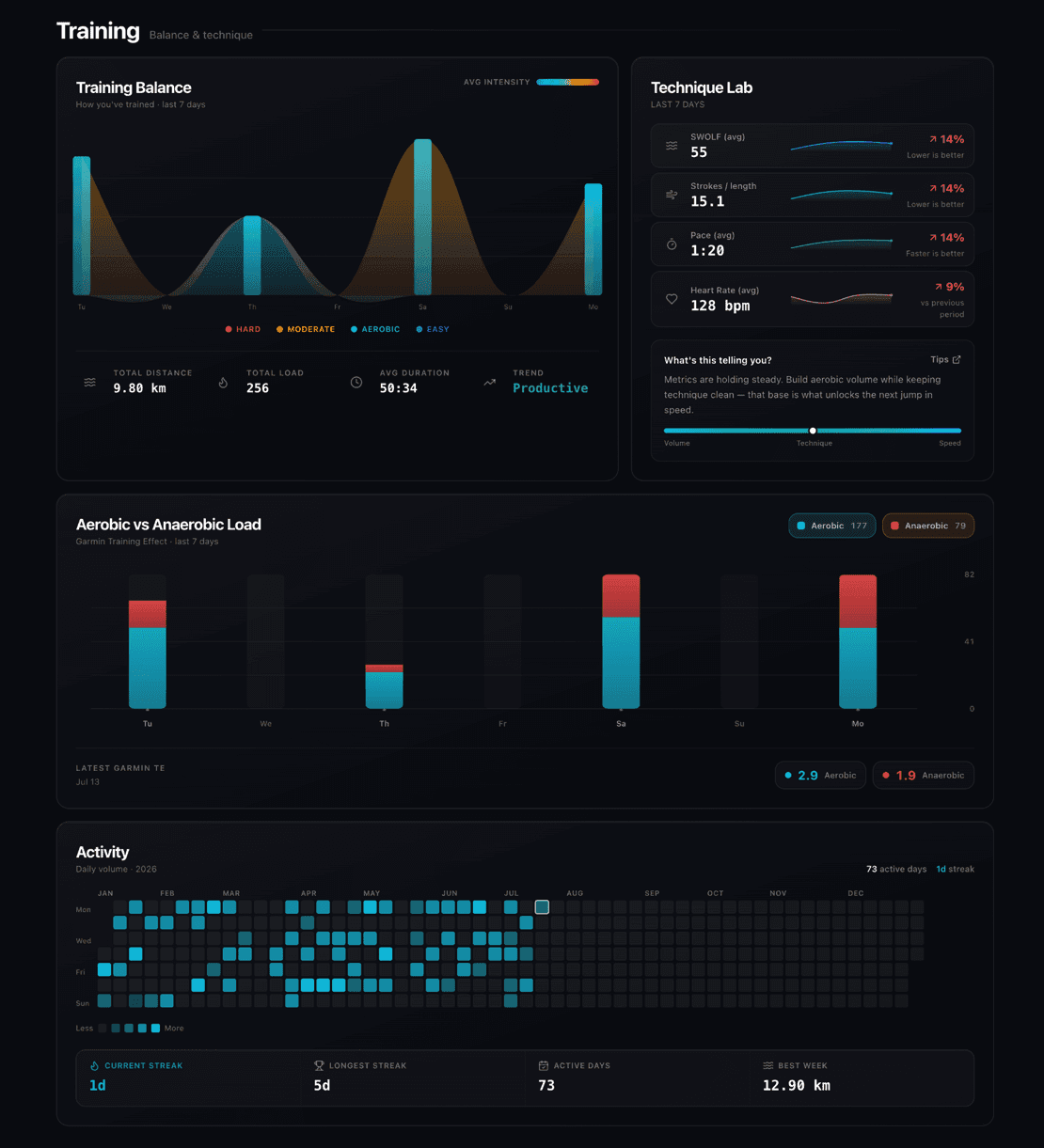
On the sensor side, your Garmin is tracking stroke count, SWOLF score, and pace per 100m using its accelerometer during pool swims. There is no optical PPG heart rate during pool sessions on most Garmin models because water movement corrupts the wrist PPG signal badly. If you want heart rate data in the pool, you need a chest HRM strap like the HRM-Pro Plus, which reads electrical impulses from the heart via ECG and broadcasts over ANT+ to the watch. AquaPlan's intensity targets are primarily pace and effort based for this reason, which is the correct approach.
What the Plan Structure Actually Looks Like
AquaPlan's periodization logic mirrors what you'd expect from running plans: base blocks, threshold work, and race-specific prep. A typical session might include a 400m warm-up, 6x100m at threshold pace with 20-second rest, then a 200m cooldown. That is a proper structure, not just "swim 2000m." For a runner doing triathlon prep, the progression from aerobic base to race-pace work over a 12 to 16 week block is genuinely useful.
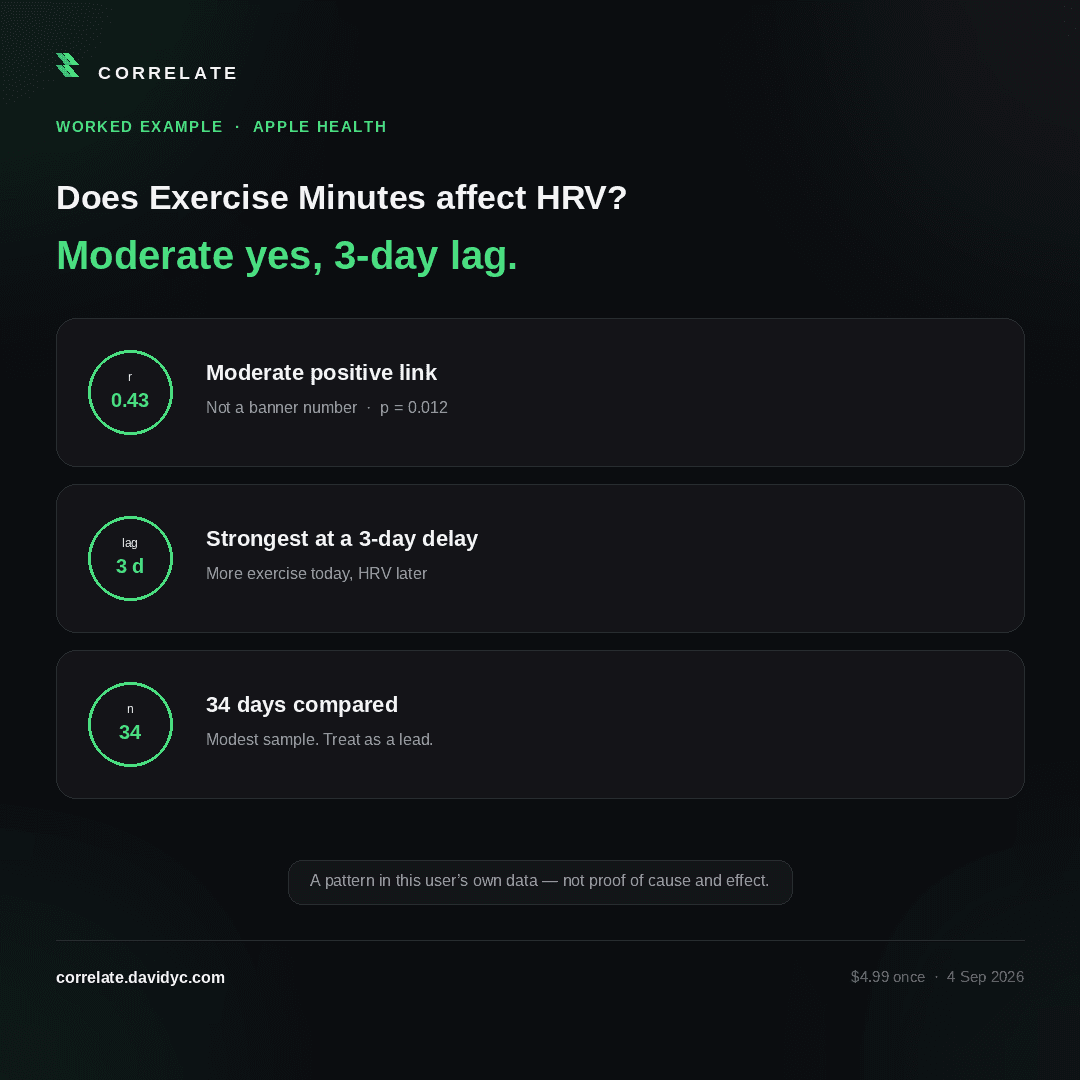
The app is built specifically for runners and triathletes who are competent but not specialist swimmers. It is not designed for competitive pool swimmers chasing PB times. That focus is smart: most triathletes swim just enough to survive the first leg without blowing up their heart rate before the bike. Training that outcome specifically, rather than optimizing flip turns, is the right priority for this audience. If you want to see how this kind of data-driven approach applies to running specifically, the [Garmin 2025 data on training volume and VO2max](/en/articles/garmin-2025-data-training-volume-is-the-top-vo2max-predictor-2026-06-13) is worth reading alongside your swim block planning.
Garmin Integration and Competing Options
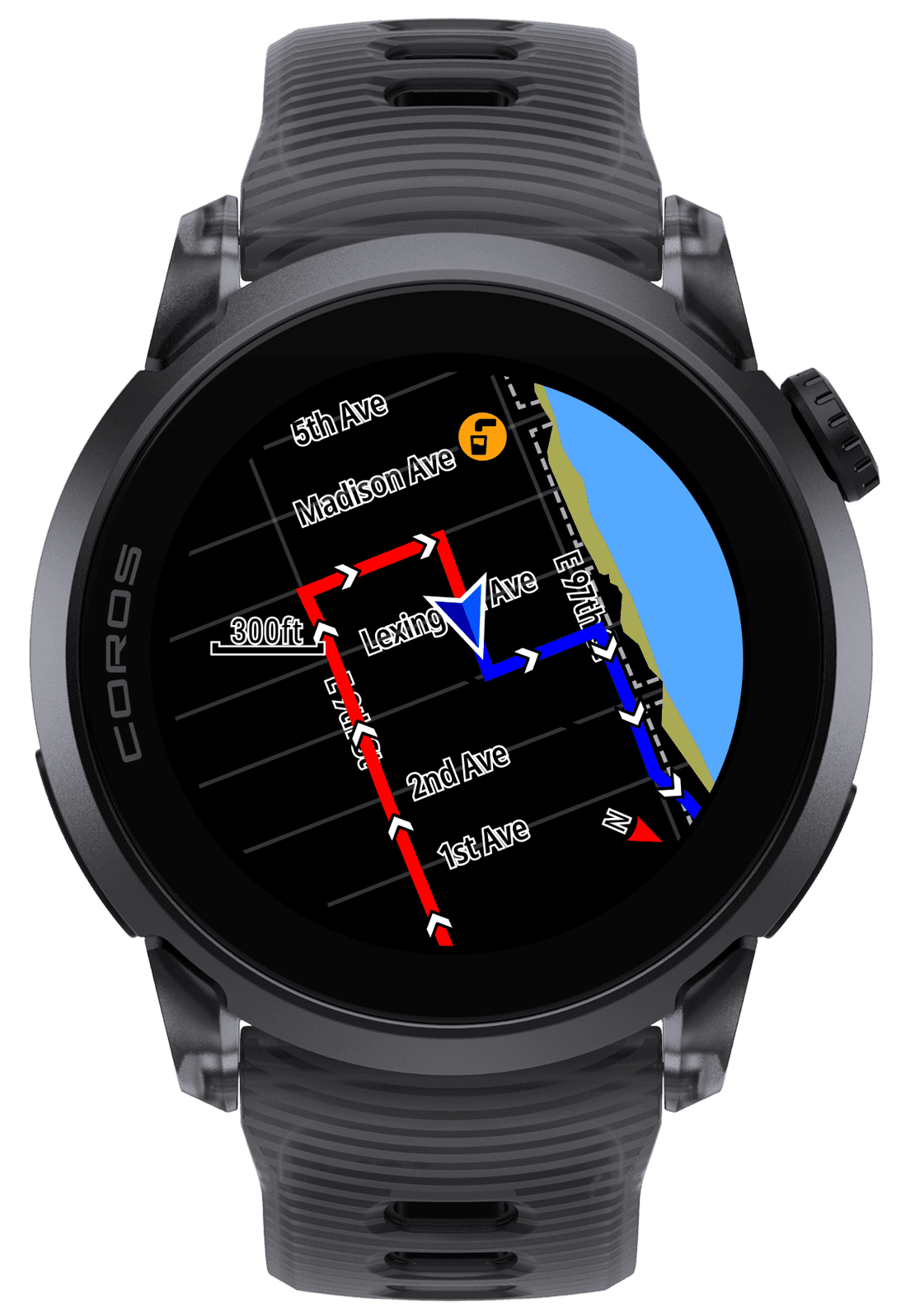
The Garmin-only delivery is a real limitation right now. Coros watches also support structured pool workouts natively, and the Vertix 2S and Pace 3 handle swim sessions well, but AquaPlan does not push sessions to Coros. Apple Watch Series 10 has improved pool swim tracking, though its structured workout display in the pool is less refined than Garmin's. Polar's Vantage V3 supports structured swims but again sits outside AquaPlan's ecosystem for now.
For recovery tracking around swim blocks, Whoop 5.0 and Garmin's Body Battery both give you strain and recovery context, but neither integrates swim-specific load from AquaPlan automatically. You are essentially managing two systems. Apps like [Vitara, which pulls from Apple Health](/en/articles/vitara-app-turns-apple-health-data-into-athlete-training-insights-2026-07-21), show the direction this should go: unified training insights across modalities. AquaPlan is not there yet.
What is missing is frustrating for a 2026 product. No Coros support. No Apple Watch integration. No recovery-based plan adjustment that talks to Garmin's own training readiness score. The periodization logic is solid but it does not adapt dynamically if you miss sessions or your recovery metrics tank. A Garmin Forerunner 965 owner running Garmin Coach simultaneously will find two separate plan systems competing for their training schedule with no coordination between them.
AquaPlan makes sense for Garmin-owning triathletes who swim 2 to 4 times per week and want structured sessions without hiring a swim coach. At its current price point it undercuts a monthly coaching subscription significantly. If you already own a Fenix 8 or Forerunner 965, the friction to set this up is low. For Coros or Apple Watch users, check back in 12 months and hope the integrations arrive.
Mentioned watches
Head-to-head comparisons
Buying guides