Fitbit AI Coach Uses LLM Tech: How It Compares to Garmin and Strava
Fitbit has launched an LLM-powered AI Coach, and it marks a real departure from the machine learning systems that Garmin, Strava, and even Whoop have been running for years. Where those platforms parse your data and spit out pattern-based suggestions, Fitbit's approach uses a large language model to generate contextual, conversational coaching responses.
The practical difference matters for athletes. Garmin's Daily Suggested Workouts and Training Readiness score are built on static ML rules: your HRV drops, your load goes up, the system flags recovery. Fitbit's LLM can theoretically weigh multiple variables in plain language, answer follow-up questions, and adjust reasoning mid-conversation. Think less dashboard widget, more dialogue.
Strava's fitness and freshness tools and even Polar's Nightly Recharge are firmly in that older paradigm. They surface numbers and leave interpretation to you. An LLM layer changes that dynamic by generating explanations, not just outputs. For a runner asking why their 5K pace feels off three weeks into a training block, that distinction is significant.
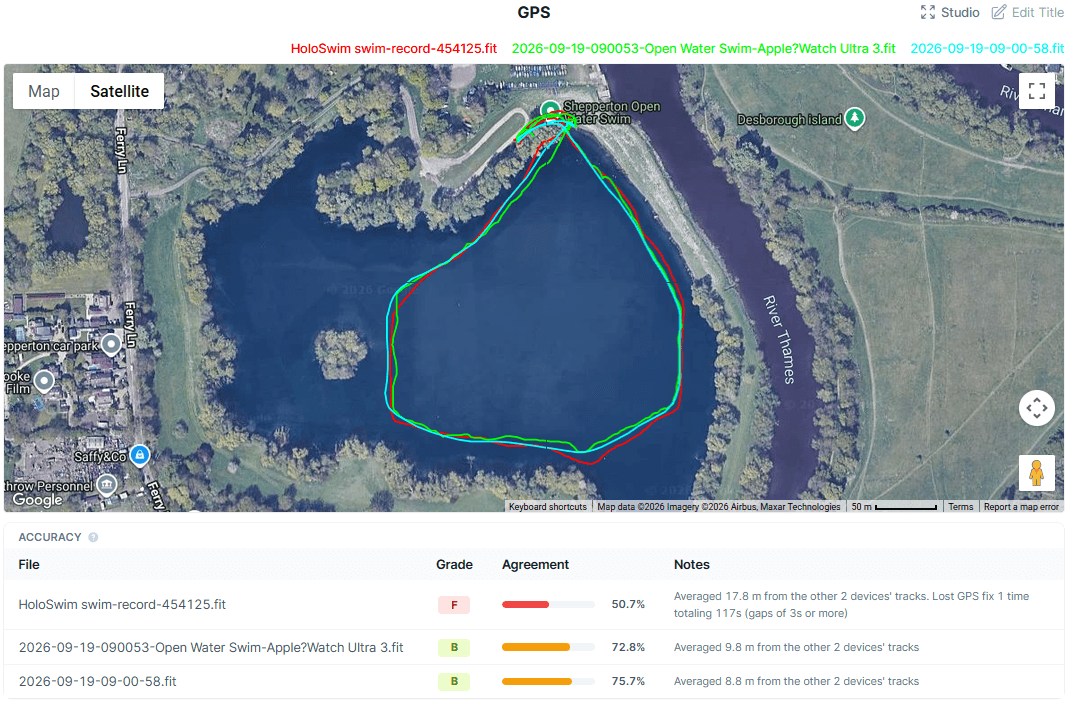
The caveats are real. LLMs hallucinate. Coaching accuracy depends entirely on the quality of data fed in, and Fitbit's sensor suite, while solid for step count and sleep, still trails Garmin's GPS precision or Coros's running dynamics. A smarter brain on weaker data is still a limitation.
Verdict: Fitbit is asking the right question about what AI coaching should feel like. Whether the execution holds up under serious training loads is still unproven. Worth watching, not abandoning your Garmin for.