Fitbit Edge Adds GPS, Altimeter and Replaceable Battery
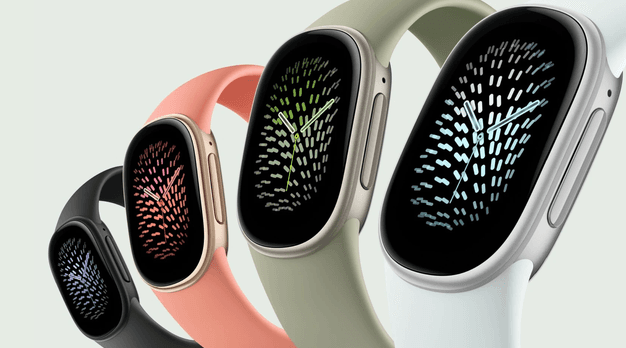
Google’s Fitbit Edge is the Charge 6 successor, announced on 12 October 2026 and priced at $179 / £159.99 / €179.99. For endurance athletes, this is Fitbit’s most credible small tracker yet: it combines a larger AMOLED screen, multi-system GPS, an altimeter and a physical button in a 17.7g aluminium case. It is not trying to be a full running or triathlon watch. It is trying to make a tracker far less limiting outdoors.
A tracker that can finally handle hills
The 1.34-inch AMOLED display is 46% larger than the Charge 6’s, with an always-on option, while the Edge adds the controls that matter when hands are sweaty or wet: a mechanical side button as well as touchscreen input. The new altimeter measures elevation and floors climbed through air pressure, and the gyroscope joins the motion sensors. For runners and cyclists who have outgrown basic route traces, those additions are meaningful.
GPS is broader too. Outside the US, the Edge uses GPS, Galileo, GLONASS, BeiDou and QZSS, while US models use GPS and Galileo. Google claims the new GPS chip is 40% more accurate than the Charge 6’s. That is a promising claim, not a proven result, and The5kRunner says real-world GPS accuracy still needs independent testing. The device supports built-in GPS for outdoor workouts, pool and open-water swimming, structured workouts, live wrist metrics and post-session summaries. It also broadcasts heart rate by Bluetooth to compatible exercise equipment.
Better longevity, familiar Fitbit compromises
The standout hardware decision is a user-replaceable 65mAh battery. In a category where worn batteries often make an otherwise useful device disposable, that is a genuinely practical win. Fitbit rates the Edge for up to seven days, says a full charge takes about 90 minutes, and claims five minutes can provide up to a day of use. Read the small print: that seven-day estimate uses default settings and Battery Saver behaviour, so continuous GPS, SpO2 tracking and the always-on display reduce runtime. Still, repairability gives the Edge a stronger long-term argument than many compact wearables.
Health and recovery tracking remain central. The optical PPG heart-rate sensor measures blood-volume changes with light, while the multipurpose electrical sensors support the ECG app, which checks for signs of atrial fibrillation in select countries. The tracker also has optical red and infrared SpO2 sensors, skin-temperature sensing, sleep stages, Daily Readiness, Cardio Load, VO2 max and stress monitoring. Google Health Coach can create plans based on readiness and routine, plus offer real-time pacing prompts, but it requires Google Health Premium after the included three months. That creates a familiar Fitbit tension: the sensor package is broad, while some of the most interesting interpretation sits behind a monthly fee.
What Fitbit removed and delayed
There are real compromises. NFC is gone, so there are no Google Wallet contactless payments, and Fitbit also removed the EDA sensor and EDA Scan app. Heart rate is stored at two-second intervals, versus one-second exercise recording on the Charge 6. The5kRunner says the same interval limited Fitbit Air accuracy during intervals in its testing, which makes the Edge less compelling for athletes who care about sharp heart-rate response in hard repeats. Google Maps turn-by-turn directions, coach-built workouts launched from the tracker and Health Guardian alerts are also only listed for autumn 2026. Charge 6 bands do not fit either, since the attachment system has changed.
The Fitbit Edge makes the most sense for runners, gym users and general endurance athletes who want GPS, elevation and useful training context without moving to a larger sports watch. It is a far better outdoor proposition than the Charge 6, and a clearer fit than the screenless Fitbit Air for athletes who want metrics on the wrist. Not perfect. But solid, provided the GPS and interval heart-rate performance hold up in independent testing.
Mentioned watches
Head-to-head comparisons