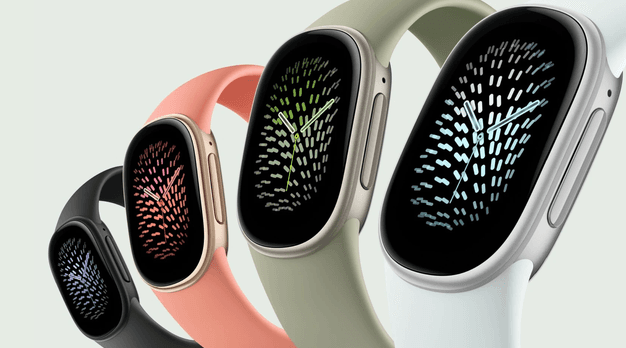
Garmin MARQ Gen 3 and Fitbit Edge Target Opposite Athletes
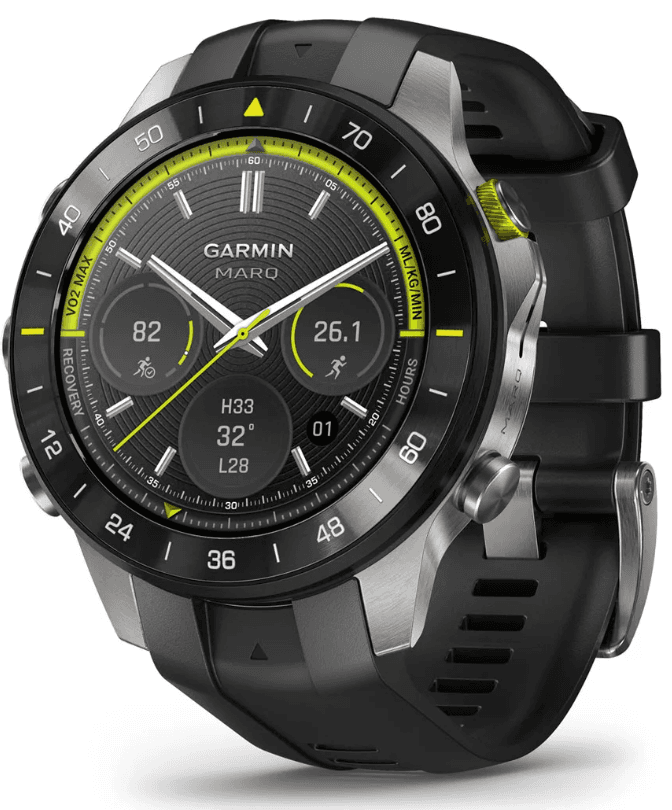
Garmin and Fitbit have taken very different routes this October. Garmin’s MARQ Gen 3 starts at $2,500 and adds phone-free LTE calling, satellite messaging and SOS, while the $179 Fitbit Edge replaces the Charge 6 with built-in GPS, an altimeter and a bigger display. One is a luxury expedition-capable watch. The other is a much more credible lightweight tracker for runners, riders and swimmers.
MARQ Gen 3 makes its case in remote terrain
The MARQ Gen 3 Athlete costs $600 more than the titanium MARQ Gen 2 Athlete, at $2,500 versus $1,900, according to The5kRunner. That extra money buys the stuff that changes a solo mountain day: inReach connectivity for LTE calls to other Garmin Messenger users, messaging, LiveTrack and weather, plus satellite messages, location check-ins and SOS outside mobile coverage. An inReach plan is required. Garmin includes free SOS messaging for up to 12 months after the trial.
The hardware is stronger too. Gen 3 has a 1.4-inch AMOLED display rated up to 3,000 nits, 128GB of storage with worldwide maps preloaded, a flashlight, speaker and microphone, and an ECG app through Garmin’s Elevate Gen 5 sensor. Every edition is now a 40m dive computer, with sealed inductive buttons required for diving. It also runs Fenix 9 software, including Garmin Epic, grade-adjusted pace tools, rucking workouts and a faster map engine. We already saw Garmin push built-in satellite features down into the Fenix range in our [fenix 9 and 9 Pro coverage](/en/articles/garmin-fenix-9-and-9-pro-bring-titanium-and-built-in-satellite-2026-08-25). MARQ is the premium expression of that same direction.
Fitbit Edge fixes the fitness basics
The Fitbit Edge is less ambitious, and that is exactly why it makes sense. It goes on pre-order at $179, £159.99 or €179.99, with Amazon listing shipping from 27 October 2026. The 17.7g aluminium tracker gets a 1.34-inch AMOLED display, a physical button, multi-system GPS and an altimeter. For athletes moving up from a basic step tracker, those are the upgrades that matter: leave the phone at home for a run or ride, see workout data clearly, and record climbing rather than guessing from route data.
It also tracks pool and open-water swimming, has 5 ATM water resistance and IP68 dust resistance, supports structured workouts and can automatically recognise up to 100 workout types. The Edge offers up to seven days of typical battery life, and its 65mAh battery is user-replaceable. That last point is rare in a tracker this small and could give the Edge a much longer useful life than sealed rivals. Fitbit also includes ECG, SpO2, HRV, resting heart rate and skin-temperature features, alongside Google Health Coach guidance. The tracker works with Android and iOS, which keeps it relevant for athletes who do not want their wearable choice tied to one phone platform.
There are real compromises. MARQ Gen 3 remains hard to justify if you carry a phone, stay near coverage and do not dive: the older Gen 2 retains core tools such as Training Readiness, HRV Status, Endurance Score, PacePro, ClimbPro, maps, music and Garmin Pay. At the other end of the price scale, Fitbit removed NFC payments and the EDA stress sensor from the Edge. More worrying for interval-focused runners, its optical heart-rate data is stored at two-second intervals, where the Charge 6 stored one-second exercise data. The5kRunner says this limited Fitbit Air accuracy in testing, so athletes who need close heart-rate response should look elsewhere or pair the Edge with a chest strap, which measures the heart’s electrical impulses.
Our verdict: MARQ Gen 3 is for well-funded solo adventurers and divers who value independent SOS as much as training metrics. Fitbit Edge is the better fit for runners, riders and swimmers who want real GPS and elevation in a light, simpler wearable. For everyone else, MARQ Gen 2 still makes the sharper Garmin luxury buy, while Edge buyers need to decide whether losing payments and faster heart-rate recording is acceptable.
Mentioned watches
Head-to-head comparisons