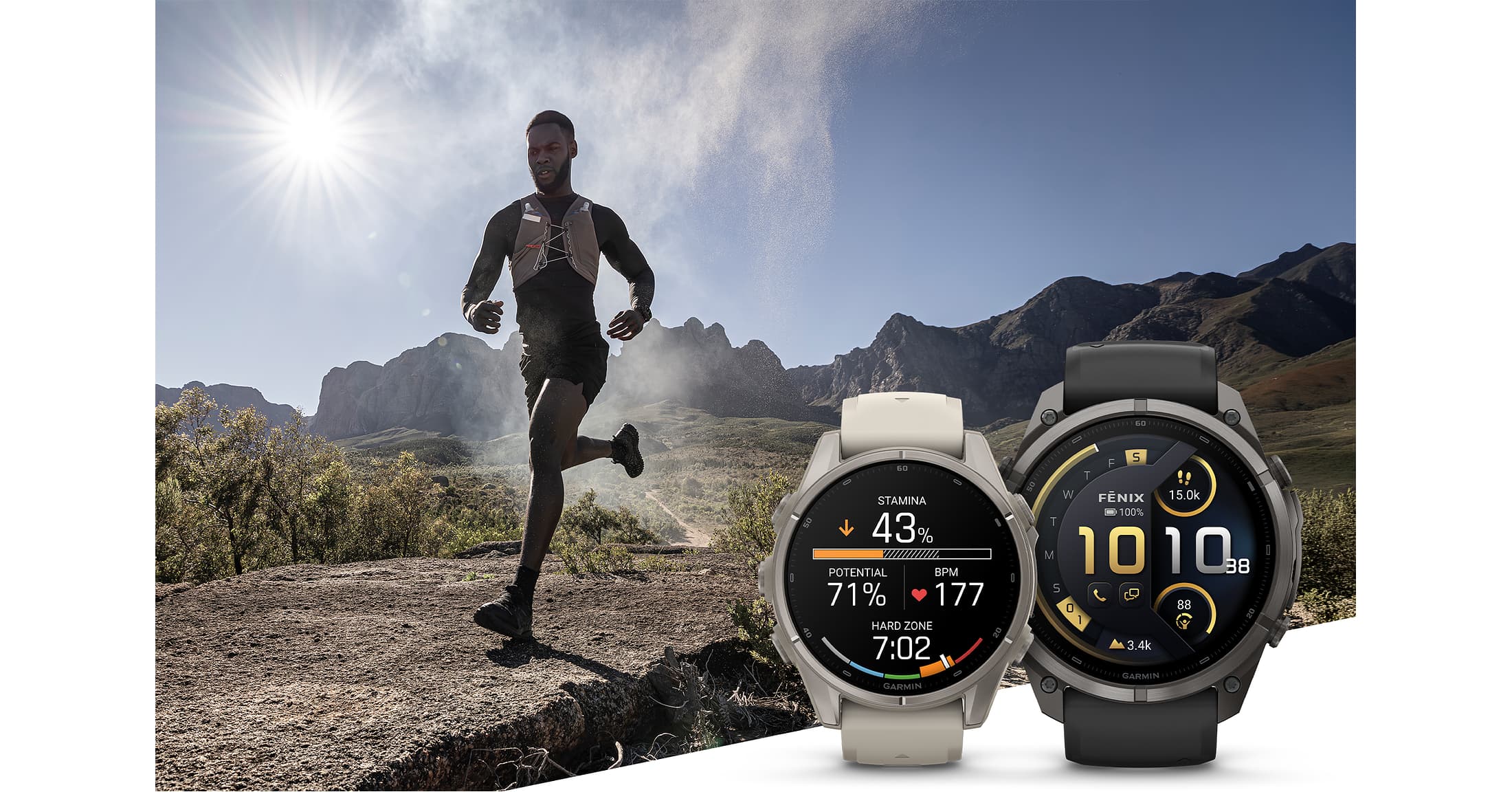
Fitbit Edge Brings a Bigger Screen and Weeklong Battery
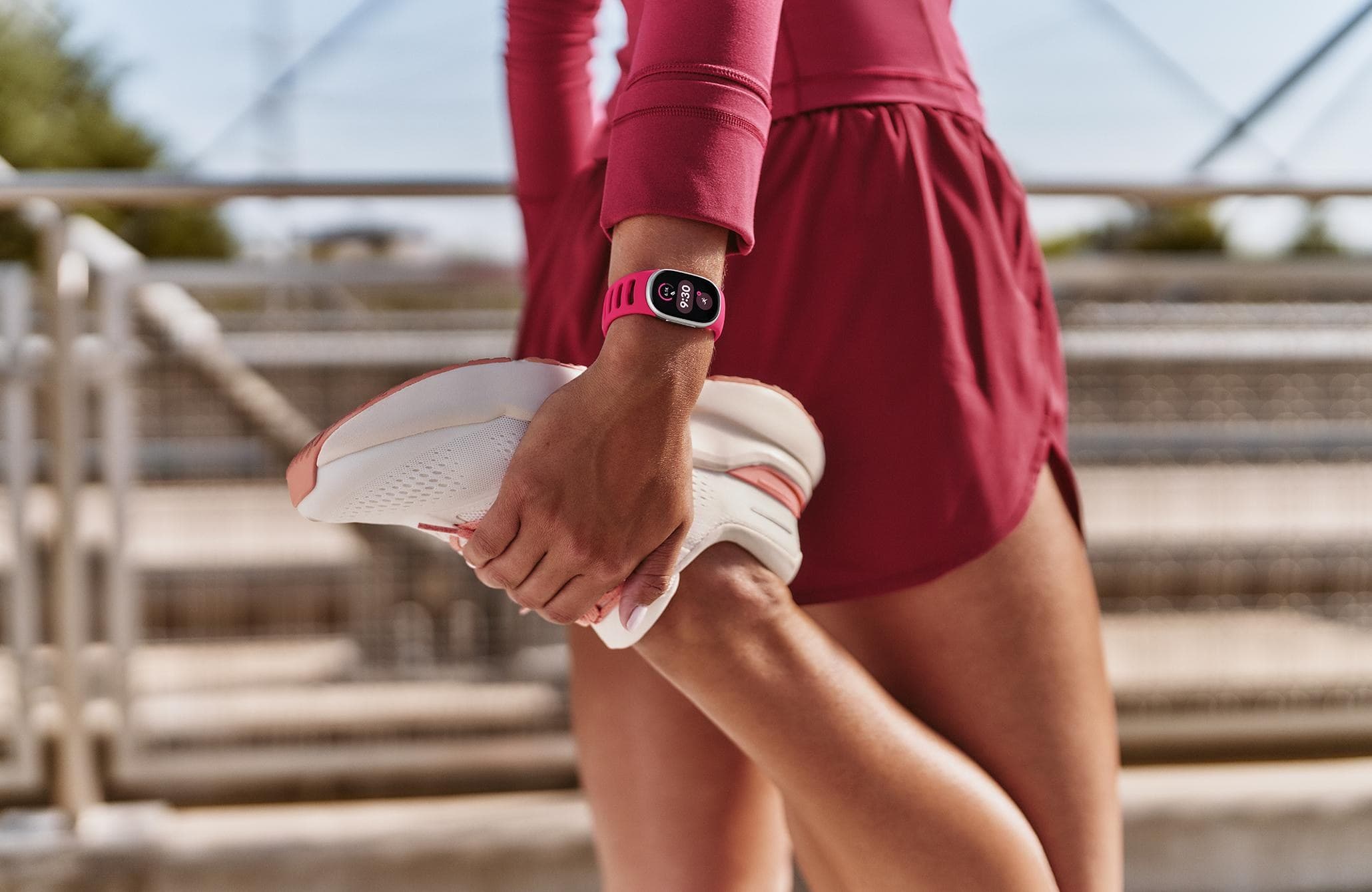
The Fitbit Edge is now official, positioned between the screenless-leaning Fitbit Air and Google Pixel Watch 5. The Verge frames it as Google’s answer for people tired of full smartwatches but unwilling to lose wrist notifications. For endurance athletes, that makes the Edge a deliberately middle-ground device: more usable mid-session than a basic band, less ambitious than a watch.
A tracker that is easier to use while moving
The big practical change is the display. The Edge has an OLED screen that is 46 percent larger than the Fitbit Charge 6’s, plus a physical side button. That should make quick checks of pace, heart rate, directions or notifications less fiddly when running or riding. It is 11.5mm thick, carries an IP68 rating, and is safe for swimming up to 5ATM.
Fitbit also gives the Edge a fairly complete health-sensor list: EKG for atrial fibrillation detection, skin temperature, SpO2, optical heart rate and motion sensors. GPS has reportedly improved, with Google claiming 40 percent better accuracy than the Charge 6 through on-device improvements. Turn-by-turn directions are supported too. That is a meaningful shift for athletes who want to leave a phone in a pocket rather than constantly pull it out, though we would wait for real-world route tests before treating that percentage as settled fact. For the broader positioning, see our [Fitbit Edge versus Fitbit Air breakdown](/en/articles/fitbit-edge-vs-air-which-to-choose-2026-10-13).
Better battery, smarter automatic logging
The replaceable battery is arguably the Edge’s most athlete-friendly hardware decision. Fitbit estimates about a week per charge, falling to two days with the always-on display enabled. Five minutes on its proprietary Air-style charger can provide roughly a day of battery, while a full charge takes 90 minutes. That is the kind of charging flexibility that suits regular training better than another device demanding nightly attention.
Automatic workout detection is also being expanded. According to The Verge, Fitbit’s revised motion model uses location data and routines to infer activities, such as recognising tennis at a tennis court or a recurring Tuesday yoga session. Google says auto activity tracking is twice as accurate and covers more than 100 activities. It sounds useful for casual logging and mixed training weeks. Serious runners, cyclists and triathletes will still care more about whether the recorded GPS and heart-rate data hold up during structured sessions than whether the watch correctly guesses yoga.
The omissions are frustrating. The Edge has no microphone or speaker, so it shows incoming calls but cannot handle them on the wrist. More importantly, it drops the Charge 6’s NFC chip, removing contactless payments despite costing $179.99, which is $20 more than that predecessor. The Verge says the price includes three months of Google Health Premium. Its redesigned Fitbit OS offers widgets, timers, alarms, media controls, push notifications and heart-rate broadcasting to certain gym equipment, but this is clearly not a Wear OS smartwatch.
Verdict: the Edge looks like a sensible fit for athletes who want GPS, swim safety, notifications and a larger screen without committing to a full smartwatch. Against the Fitbit Air, it is the more capable training companion; against the Pixel Watch 5, it is the simpler, battery-first option. Not perfect. But solid.
Head-to-head comparisons