Garmin CIRQA Band Review: Heart Rate, Bugs, and $199 Value
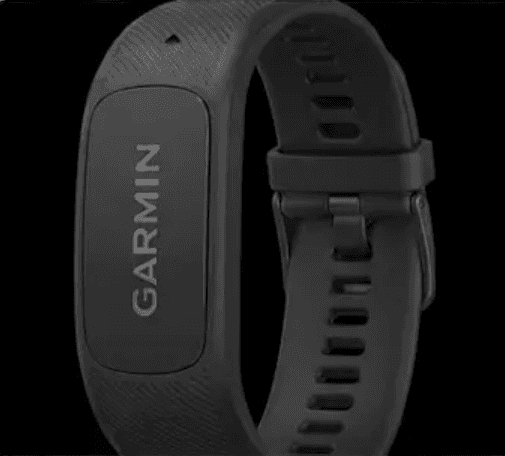
The Garmin CIRQA Band costs $199.99 with no subscription, making it the cheapest entry point into Garmin's recovery ecosystem. It launched alongside a wave of wearable bets from Garmin, including a CIRQA ring that's already in the pipeline, as we covered in our [Garmin wearables strategy piece](/en/articles/garmin-s-ring-cirqa-band-and-glasses-bet-on-wearables-growth-2026-08-20). The pitch is simple: accurate heart rate, recovery tracking, and Garmin ecosystem integration without paying Whoop's $239/year or Oura's monthly fee.
Optical Sensor Performance Across Activities
The CIRQA Band uses a PPG optical sensor on the wrist, reading blood volume changes through light to estimate heart rate and HRV. In most conditions, it's genuinely solid. Gym sessions, yoga, steady cycling, and even biceps curls during strength work all produced clean, consistent readings that tracked closely against a Polar H10 chest strap. The Polar H10 uses electrical impulses via ECG contact, so it's the gold standard for beat-to-beat accuracy, and the CIRQA held up well in those comparisons across moderate-intensity work. For recovery metrics like resting HR and overnight HRV, the sensor collects data continuously at the wrist while you sleep, and our 15-night test showed [respectable consistency](/en/articles/garmin-cirqa-sleep-tracking-accuracy-15-night-real-test-2026-08-16) once the early firmware bugs were ironed out.
Where it falls apart is predictable for wrist optical sensors: fast running intervals and open water swimming. During track repeats at 5K pace and faster, the sensor lags on the way up and smooths over the recovery valleys between reps. If you're using interval heart rate data to make training decisions, that lag matters. It's not a CIRQA-specific problem, the Apple Watch Ultra 2 and Coros Pace 3 both struggle in the same conditions, but it's worth naming clearly. Open water swimming is worse: motion artifacts from water and stroke mechanics kill signal reliability almost completely. If swim HR data matters to you, a Garmin HRM-Tri or Polar Verity Sense mounted to your goggle strap will do the job the CIRQA Band cannot.
Firmware 2.50 and the OHR Bug Fix
Garmin pushed firmware 2.50 with a changelog that simply says "improvements to OHR." Based on the pattern of complaints since launch (documented in our [CIRQA launch bug map](/en/articles/garmin-cirqa-launch-sold-out-accuracy-problems-bugs-mapped-2026-08-15)), the update almost certainly targets sensor dropout bugs rather than the interval accuracy lag. Dropouts, where the sensor briefly loses signal and then reconnects with a flat-line or spike artifact, are a firmware-addressable hardware handshake issue. The interval lag is a physical limitation of PPG at the wrist during high-intensity movement; no firmware update fixes the speed of light through skin. The distinction matters if you're waiting on this update to solve a specific problem. Dropout bugs: likely better after 2.50. Interval accuracy during fast efforts: still a hardware constraint.
Recovery Ecosystem and Daily Use
As a daily recovery tracker, the CIRQA Band competes most directly with Whoop 5.0 and the Oura Ring 4. Whoop gives you more coaching context and team features, but costs $239 per year on top of the hardware. Oura's monthly subscription adds up similarly. The CIRQA Band is a one-time purchase, and it feeds data into Garmin Connect, which already holds your training history if you run a Fenix, Forerunner, or Epix. That ecosystem integration is genuinely useful: Body Battery pulls from sleep, HRV, and resting HR data together, and if you're already checking Garmin Connect every morning after a long ride or brick session, having recovery data in the same app removes friction. For a triathlete or Hyrox athlete who already owns a Garmin watch, that's a real argument for CIRQA over a standalone Whoop subscription.
The band itself sits on the wrist like an oversized silicone bracelet. It's lighter than a Forerunner 265 and doesn't snag on a wetsuit sleeve, which matters during transition. Battery life sits around 7 days in typical use with continuous HR monitoring on, comparable to Whoop 5.0 and better than the Apple Watch Series 10, which needs nightly charging. The SpO2 readings use the same optical sensor, measuring light absorption to estimate blood oxygen saturation, and they're in range for most users but not medical-grade. Don't use them to make altitude acclimatization decisions.
What's Missing
No GPS, no barometric altimeter, no standalone workout tracking. The CIRQA Band is a pure sensor node, not a training device. That's a reasonable design choice for a recovery band, but it means you still need a watch for your actual sessions. There's also no button or display, so all interaction goes through the app. Garmin's app has improved but it still isn't as polished as Oura's daily card interface for surfacing recovery context quickly. HRV trending graphs are buried two taps deep. For a product aimed at athletes who care about recovery data, that UX friction is annoying. And the interval HR lag, even if firmware keeps improving, is unlikely to fully resolve given the physics of PPG at the wrist during high-cadence efforts.
The verdict: the CIRQA Band makes the most sense for Garmin ecosystem athletes who want recovery tracking without a subscription and don't need swim HR data. At $199.99 one-time versus Whoop's recurring fees, the math works in three to four months. If you train primarily in the pool or live for interval precision, pair it with a chest strap or skip it entirely and put the money toward a Coros Pace 3 with its own wrist optical sensor plus GPS. A CIRQA ring is coming, and based on form factor alone, it may handle swim data better. Watch that space.
Mentioned watches
Head-to-head comparisons
Buying guides