Garmin Cirqa Launch Date, $199 Price, and Full Specs
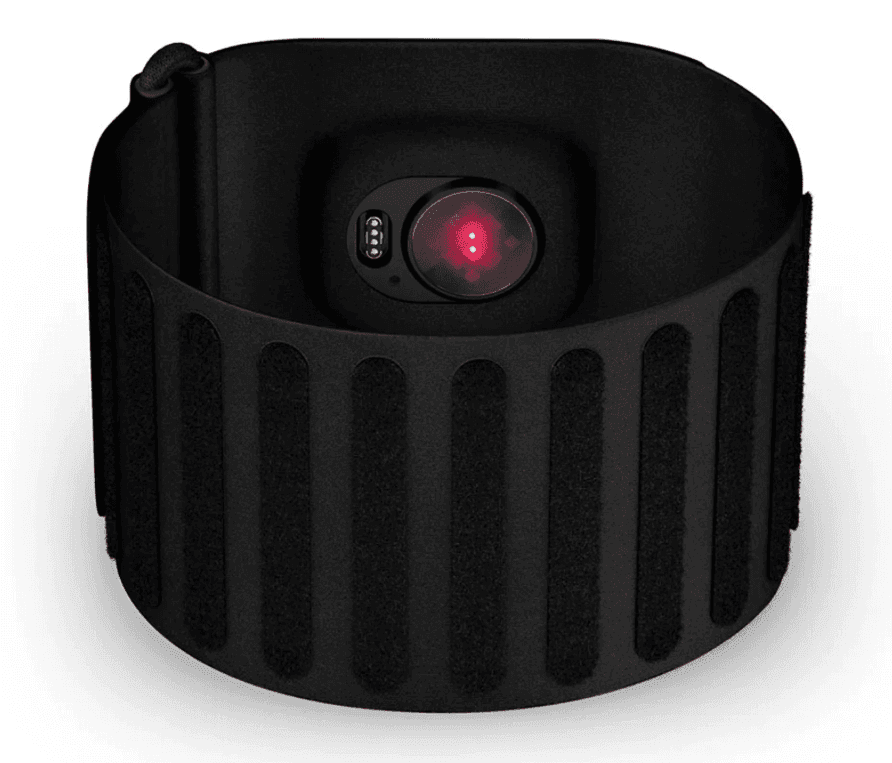
Garmin's screenless recovery band, the Cirqa, is set to launch around 15 or 22 July 2026, based on two hard regulatory deadlines: the FCC confidentiality window closing and the UK trademark pre-publication period expiring in late July. That timing is not speculation. It is structural. Mid-week, mid-month is the window that matters, and at $199, the Cirqa sits in a price bracket that puts real pressure on the screenless band category.
Confirmed Sensors and Hardware
A Garmin Romania support page briefly listed the Cirqa as a Health Status compatible device before being pulled. That accidental listing confirmed two sensors that were previously assumed but unverified: SpO2 and skin temperature. SpO2 here is optical, meaning the sensor reads blood volume changes via PPG light rather than electrical impulses. Skin temperature is a passive thermistor reading the surface of your wrist or upper arm. Neither is novel in isolation. The Polar Ignite 3 has both, and so does the Whoop 4.0. What matters is how Garmin stitches them together inside Garmin Connect's Health Snapshot ecosystem.
The full confirmed spec list also includes a barometric altimeter, which reads air pressure changes to track elevation, and ANT+ broadcasting so the Cirqa can act as a heart rate source for a Garmin head unit or watch. That last point is underrated. Wearing the Cirqa on your upper arm during a bike ride and broadcasting optical PPG heart rate to a Garmin Fenix 8 or Edge 1050 is a genuinely clean setup. No chest strap needed, and upper arm placement reduces motion artifact compared to the wrist during high-cadence cycling. For details on the confirmed sensor list, see our earlier piece on [Garmin Cirqa sensors confirmed](/en/articles/garmin-cirqa-sensors-confirmed-spo2-skin-temp-muscle-battery-ahead-2026-07-23).
Bicep Wear and What It Actually Changes
Upper arm wear is officially supported. You set the placement per activity inside Garmin Connect, so the device knows whether it is reading from your wrist at night or your bicep during a CrossFit session. This is a meaningful decision. Optical PPG sensors on the wrist struggle during high-intensity intervals because wrist movement causes noise in the light return signal. Moving the sensor to the upper arm, where muscle movement is less chaotic relative to the sensor position, improves heart rate accuracy. Garmin's own research on the Forerunner 965 showed wrist optical heart rate can drift 8 to 12 bpm during intervals above 85 percent of max HR. Upper arm placement cuts that error significantly. Polar's Verity Sense, which is also an upper arm optical sensor, has been showing this benefit since 2021. Garmin is late to the form factor, but the Connect integration makes it more practical than carrying a separate pod.
The ANT+ broadcast strength also improves from the upper arm position. Less body mass between the sensor and a paired device means a more stable signal. For triathletes who want to run without a watch but still feed heart rate to a bike computer in T1, this is a legitimate use case. The Cirqa stays on the upper arm through the whole race and broadcasts throughout.
Price Positioning Against Whoop and Rivals
At $199, the Cirqa is a one-time purchase with no subscription. Whoop 4.0 hardware is free with a $239 annual membership, which means after year one you have spent more, and after year two you are at $478 with nothing to show if you cancel. The Cirqa's $199 is all-in, assuming Garmin does not add a subscription layer to advanced metrics. That assumption is not guaranteed. Garmin has been expanding its Connect+ paid tier, and some Cirqa features may sit behind it. That detail needs to be confirmed at launch.
Three screenless bands have launched in the past fourteen months, and each was positioned as a Whoop killer. None of them is. The Cirqa is better described as a Whoop annoyer. It closes the price escape route, offers Garmin's ecosystem integration, and adds bicep wear. But Whoop's strain coaching, recovery algorithm depth, and community features are still ahead. The Cirqa's real competition is not Whoop. It is the Oura Ring 4 at $349 and the Samsung Galaxy Ring, which both target similar passive monitoring use cases but without the athletic broadcasting feature. See our full analysis at [Garmin Cirqa $199 screenless band specs and honest verdict](/en/articles/garmin-cirqa-199-screenless-band-specs-sensors-and-honest-verdict-2026-07-29).
What is missing from the confirmed spec list is GPS. The Cirqa has no onboard GPS and no connected GPS fallback. That means pace and distance tracking requires a paired phone or watch. For someone who wants a single device for all training, the Cirqa is not it. There is also no display at all, which is the whole point of the form factor but still means you cannot glance at heart rate during a workout without pulling out your phone or looking at a paired watch. Battery life figures have not been officially confirmed, though leaks suggest around seven days in standard monitoring mode, which is weaker than the nine to twelve days Whoop claims and well behind the Oura Ring 4's seven to eight days in a much smaller form factor.
The Cirqa is the right product for a specific athlete: someone already running a Garmin watch who wants a dedicated 24/7 recovery sensor that integrates natively, costs less than a Whoop subscription after two years, and can double as an upper arm heart rate broadcaster. If you are not in the Garmin ecosystem, the case weakens. If you want coaching and algorithm depth, Whoop is still ahead. At $199 flat with no subscription confirmed, it undercuts every comparable band on upfront cost. The launch date window of 15 or 22 July 2026 is tight. Check our [full Cirqa review](/en/articles/garmin-cirqa-review-specs-sensors-and-real-athletic-use-2026-07-28) once it drops.
Mentioned watches
Head-to-head comparisons
Buying guides