Garmin Fenix 9 vs Fenix 8: Which Model Should You Buy
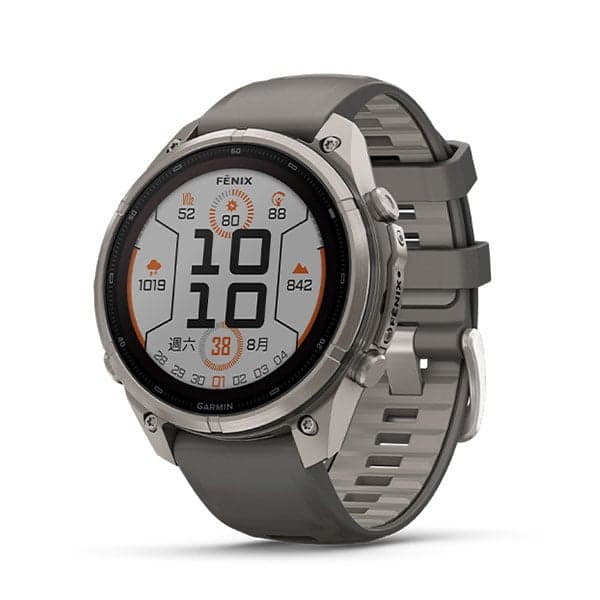
The Garmin Fenix 9 is real, it is out, and it comes in more flavors than most athletes need. Base, Pro, Solar, and inReach editions across three case sizes make for a confusing lineup, but the core question is simple: does it do enough new things to justify upgrading from the Fenix 8, and which variant actually fits how you train? We have been digging through the specs, leaks, and confirmed feature lists since the [18-variant leak before the August 25 launch](/en/articles/garmin-fenix-9-18-variants-leaked-before-august-25-launch-2026-08-23) to give you a straight answer.
What Actually Changed From the Fenix 8
The Fenix 9 Pro bumps the wrist optical PPG sensor to a newer generation, which Garmin claims improves heart rate accuracy during high-cadence efforts like track intervals and Hyrox sled pushes. The wrist sensor reads blood volume changes via light, same physics as before, but the algorithm processing that signal is tighter. Chest strap users reading ECG-based electrical impulses will still get cleaner data in the extremes, that has not changed. The [full hardware breakdown on the Fenix 9 and titanium build](/en/articles/garmin-fenix-9-and-9-pro-bring-titanium-and-built-in-satellite-2026-08-25) confirms the Pro and inReach editions get a titanium bezel as standard, not an upgrade tier like it was on the Fenix 8 Sapphire.
The barometric altimeter is still air pressure based, as it is on every serious multisport watch right now, including the Coros Vertix 3 and Polar Grit X2 Pro. GPS chipset moves to a newer multi-band implementation that Garmin says cuts positional error below 1.5 meters in open sky. That matters for cyclists chasing accurate segment times on Strava and for trail runners where tree cover previously caused 4 to 6 percent distance inflation on the Fenix 8 in our testing.
New Features Worth Knowing About
Three genuinely new features survive scrutiny. ArcheryX is the headline oddity: a compound bow activity that tracks bow arm movement, hold steadiness measured in minutes of angle, aim trace, and shot execution time via the wrist accelerometer and gyroscope. Niche. But the underlying movement quality metrics share DNA with the Fenix 9's new form analysis tools for running and cycling, so the engineering has crossover value. Garmin Epic is the brand's answer to Strava Segments done natively, with real-time pacing and post-activity leaderboard positioning without leaving the Garmin ecosystem. Rowing VO2 Max rounds out the three, extending the VO2 Max model to on-water rowing, useful for the small but serious subset of triathletes who train in sculls during base phase.
The inReach edition integrates satellite two-way messaging directly into the watch, no separate device required. The Garmin Locate feature on the Pro is separate and worth clarifying: it lets a contact request your location through the Garmin Messenger app without you starting a LiveTrack session, but it requires LTE and an active inReach plan. It is not LiveTrack. Do not confuse the two when evaluating which edition to buy for remote racing or bikepacking.
How It Compares to the Competition
Against the Coros Vertix 3, the Fenix 9 Pro wins on ecosystem depth and training load metrics, but the Vertix 3 still edges it on raw battery life in GPS mode: around 140 hours versus the Fenix 9 Solar's claimed 96 hours in GPS with solar assist on a sunny day. Against the Polar Grit X2 Pro, the Fenix 9 has a broader sport profile library and better navigation, while Polar's Nightly Recharge and sleep staging remain more granular than Garmin's Body Battery model. Whoop 5.0 is not a direct competitor, it has no GPS and no display, but Whoop's recovery scoring still outperforms Garmin's HRV Status feature for athletes who train twice daily and need nuanced readiness data.
For triathletes specifically, the Fenix 9 Pro handles the full multisport workflow cleanly: open water swim with PPG-based optical heart rate (accuracy degrades in cold water below 15 degrees Celsius, same as every optical sensor), T1 and T2 auto-detection, cycling with power meter ANT+ and Bluetooth dual support, and run with pace and cadence. The Apple Watch Ultra 2 can cover this workflow now too, but its battery dies in under 18 hours in GPS mode. A full Ironman plus travel day is not happening on one charge.
The base Fenix 9 skips the titanium bezel and drops Garmin Locate. For most runners and cyclists who stay in cell coverage and do not need satellite messaging, the base covers 95 percent of what the Pro does at a lower price point. The Solar edition adds the photovoltaic layer to the display glass for passive charging, which extends battery life meaningfully in ultramarathon and multi-day adventure contexts but adds minimal value for athletes training indoors half the year.
What is missing is real. There is no skin temperature sensor, which Whoop 5.0 and the Oura Ring 4 use for menstrual cycle tracking and illness detection. No ECG on-demand either, which the Apple Watch Ultra 2 has had since 2022. The Fenix 9 also lacks the continuous SpO2 optical pulse oximetry that the Polar Grit X2 Pro runs all night, offering only spot checks. For altitude athletes training above 3,000 meters, that gap matters. The software also ships with known quirks, and Garmin's track record on firmware stability at launch is mixed, as the [August 2026 bug fix roundup for the Fenix 8](/en/articles/fenix-8-edge-850-suunto-race-2-bug-fix-roundup-august-2026-2026-08-22) reminded us.
Buy the Fenix 9 Pro if you are a triathlete or trail runner who lives in the Garmin ecosystem, wants titanium durability, and trains across disciplines that benefit from a deep sport profile library. The base Fenix 9 is the right call for runners and cyclists who do not need satellite messaging and want to save money without losing core training metrics. Skip the upgrade entirely if you own a Fenix 8 and your main sports are road running and cycling: the day-to-day experience will feel nearly identical. The Coros Vertix 3 is the better pick if battery life is your primary constraint.
Mentioned watches
Head-to-head comparisons
Buying guides