Oura, Amazfit and Samsung Patents Target Wearable Accuracy
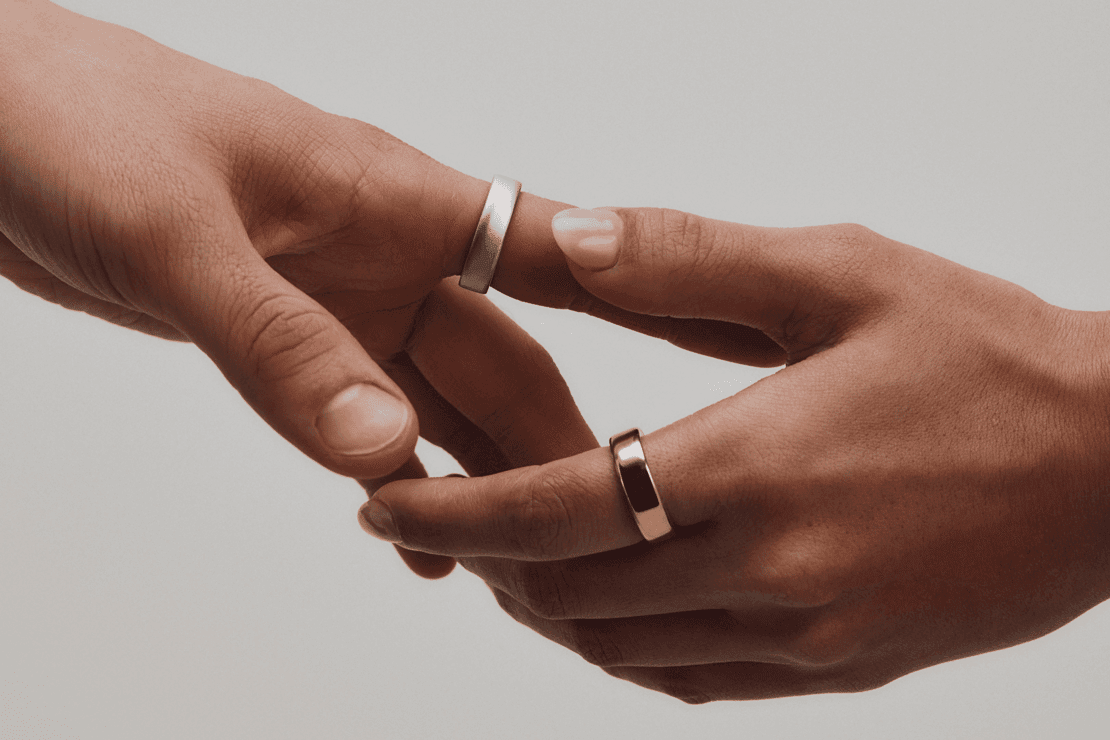
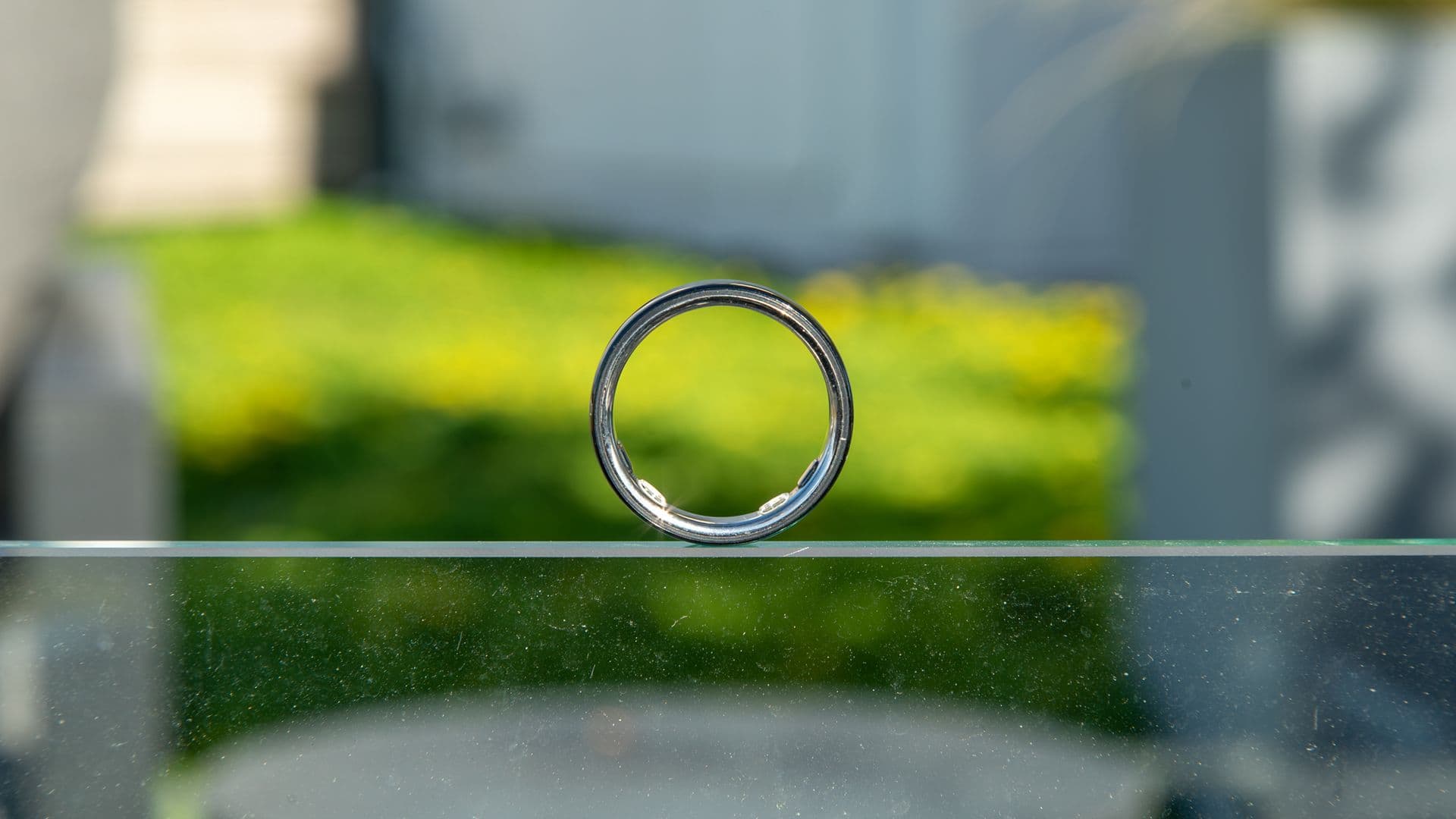
A cluster of filings reported by The5kRunner points to a practical next phase for rings and watches: longer time between charges, cleaner recovery summaries and fewer bad readings when training gets hard. Oura, Amazfit and Samsung account for seven patents, five focused on smart rings and recovery trackers. None confirms a product launch. Still, the problems being targeted are very familiar to endurance athletes.
The strongest idea for runners and cyclists is not a flashy new score. It is Amazfit trying to make wrist heart rate respond properly to intervals. Meanwhile, Oura’s patents are mostly about making a ring easier to live with, while Samsung is exploring ways for a ring to know its orientation and its wearer. Small improvements, perhaps. But small frictions are what make athletes abandon data tools.
Better data when intensity changes
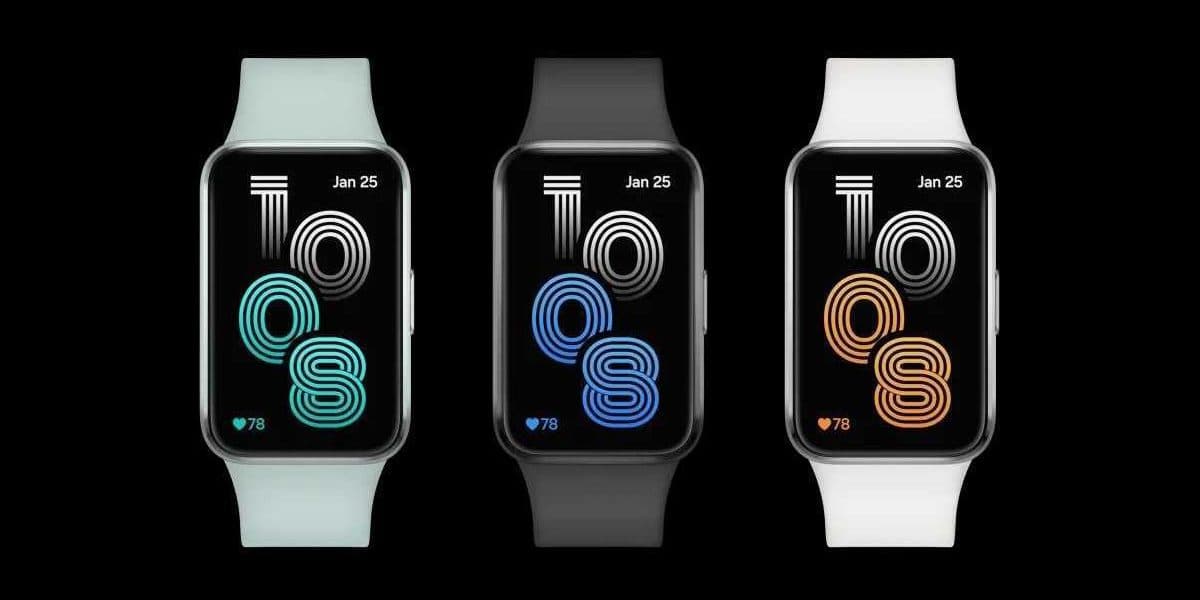
According to The5kRunner, Amazfit’s granted US patent 12,773,119 describes recognising a genuine jump in heart rate rather than smoothing it away. That matters at the start of a hard rep, on a hill surge, or during mixed-pace work, where wrist-based optical heart rate can lag or lock onto cadence. Wrist sensors use PPG, measuring changes in blood volume with light, so a rapid effort change is a difficult signal-processing problem. If Amazfit can identify the real rise sooner, interval data and training-load figures could improve without needing a chest strap. The patent was filed in 2022, and The5kRunner says a version may already be on current watches, though Amazfit has not confirmed that. It is worth watching after the brand’s recent high-profile endurance results, including our report on the [Amazfit Cheetah 2 Ultra at UTMB](/en/articles/amazfit-cheetah-2-ultra-wins-utmb-2026-what-the-data-shows-2026-09-03).
Oura pursues less charging friction
Oura has filed in Europe for a ring that uses the temperature difference between a finger and surrounding air to generate power. Keep expectations sensible. This would partially charge the ring and extend battery life, not eliminate the charger. The5kRunner’s example is moving from 14 days to 15, which sounds modest but is meaningful for a recovery device that is most useful when worn consistently through training blocks, travel and sleep.
A separate Oura patent covers a sleep-age score calculated from several nights of heart-rate data and compared with a typical value for the wearer’s chronological age. We can see the appeal: age framing is simpler to understand than another trend line. We are less convinced it will help an athlete change tomorrow’s session. Sleep duration, resting trends and context after a late race or early flight remain more actionable than a single age label. Oura also has a granted US patent for one dock across every ring size, replacing size-specific chargers. That is unglamorous engineering, and probably the most consumer-friendly proposal in the set.
Samsung’s filings focus on the awkward reality of wearing a ring all day. One describes a calibration gesture that tells a Galaxy Ring how it sits after rotating on the finger, potentially preserving gesture control, step counts and activity detection. Another uses a biometric reading to identify the wearer and configure the ring for that person. That could prevent a borrowed ring from placing another person’s sleep or session in an athlete’s training history. A third filing moves sensors beside the display beneath the same lens, suited to touch readings such as ECG or body composition. ECG measures electrical impulses, not blood flow, so it is a different measurement method from a wrist PPG sensor.
Patents are not product roadmaps
What is missing is the evidence that any of these concepts works outside a patent filing. The body-heat approach faces a very small temperature difference, the sleep-age score risks becoming another attractive but vague wellness metric, and the Amazfit method has no confirmed availability. Most patents never reach a finished device, as The5kRunner stresses. Athletes should not buy a current ring or watch expecting these features to arrive.
Our verdict: Amazfit’s interval heart-rate work is the patent with the clearest training upside, particularly for athletes who want to rely less on a chest strap. Oura’s universal dock and battery extension would make recovery tracking less annoying. Samsung’s concepts are sensible housekeeping for ring data. Promising directions, not buying reasons yet.
Mentioned watches
Head-to-head comparisons