Oura Ring 5 Improves HRV Accuracy Over Ring 4
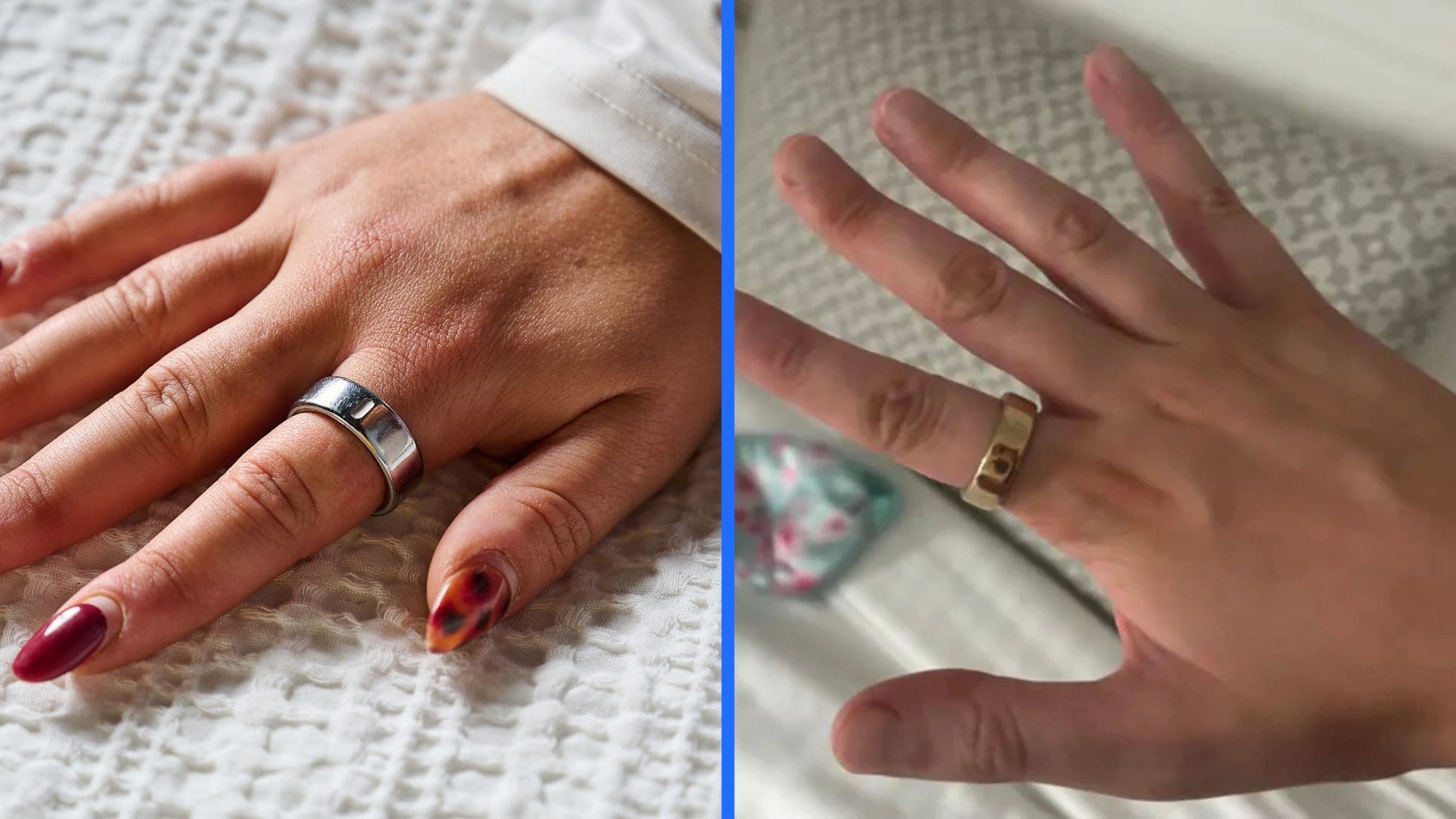
Oura Ring 5 brings a smaller body, longer battery life and a claimed 12% improvement in overnight HRV accuracy over Oura Ring 4, according to Tom’s Guide. For endurance athletes, that matters less as a new feature list and more as a possible improvement in the recovery trend we check before deciding whether today is intervals, easy volume or rest.
Better data, same sleep dashboard
Tom’s Guide says Ring 5 uses fewer sensors than Ring 4, with higher-quality sensors designed to work better across different skin tones. Its raised interior contact points are also intended to improve skin contact. The practical result is Oura’s claim of 12% more accurate overnight HRV. That is a meaningful target for athletes, since HRV is most useful when it is a consistent personal trend, not a single morning score that dictates a training plan.
The catch is that the core experience has not changed much. Both rings report sleep stages, including REM and deep sleep, sleep latency and a sleep score. They use the same app, and software updates bring features and metrics to both generations. So Ring 5 is about refining the measurement behind familiar readiness and sleep data, not unlocking a separate tier of analysis. For a broader look at how to interpret these estimates, see our guide to [what Oura sleep-stage accuracy figures actually mean](/en/articles/oura-sleep-stage-accuracy-what-the-real-figures-mean-2026-08-23).
Comfort and charging matter in real training weeks
The physical change may be just as important as the sensor update. Oura says Ring 5 is 40% smaller than Ring 4, and Tom’s Guide describes it as lighter, thinner and less bulky for sleep. That is a strong argument for athletes who already wear a watch for daytime training and do not want another substantial device at night. Ring 5 lasts 6 to 9 days per charge, versus 5 to 8 days for Ring 4, which reduces the chance of losing an overnight recording because charging slipped the mind during a busy race or training week.
Price makes the decision far less clean. Ring 5 starts at $399 for Black or Silver, while luxurious finishes such as Gold or Rose Gold cost $499. Tom’s Guide found Ring 4 as low as $254.48, though pricing varies by size and finish, and lists a $399 MSRP for Gold in certain sizes. Both require Oura membership at $5.99 per month to access sleep tracking. For athletes comparing recurring-cost wearables, that membership is part of the purchase decision, not a footnote.
What is missing is a compelling reason for a functioning Ring 4 owner to rush out and replace it. Ring 5 does not add different sleep metrics, a different app or exclusive software features in this comparison. The 12% HRV claim is promising, but it comes from Oura as reported by Tom’s Guide, rather than an independent head-to-head accuracy test. And if all we need is a broad view of sleep consistency and recovery, Ring 4 still supplies the same headline outputs for far less in many cases.
Verdict: choose Ring 5 if overnight comfort, battery headroom and Oura’s claimed HRV accuracy improvement justify the premium. Choose Ring 4 if we want the same sleep dashboard and are training by long-term trends rather than chasing the newest hardware.
Head-to-head comparisons