Oura Ring Confuses Horseback Riding With Sex: Activity Detection Explained

Oura CEO Tom Hale publicly confirmed what some users had already suspected: the Oura Ring's automatic activity detection most commonly misclassifies horseback riding and wrestling as sex. That's not a rumor or a Reddit thread. That's the CEO saying it out loud. For endurance athletes who also ride horses or do grappling-based CrossFit movements, this matters more than it sounds.
How Automatic Activity Detection Actually Works
The Oura Ring relies on PPG optical sensors and an accelerometer to infer what your body is doing. PPG measures blood volume changes via light through the skin. The accelerometer captures movement patterns. There is no GPS, no barometric altimeter, and no chest ECG strap involved. The ring builds a motion and cardiovascular signature for each activity type, then pattern-matches against a library of known profiles. Sex, horseback riding, and wrestling all share similar signatures: elevated heart rate, rhythmic repetitive motion, variable cadence, and body position that limits wrist-based data quality. The algorithm gets confused because the physics overlap.
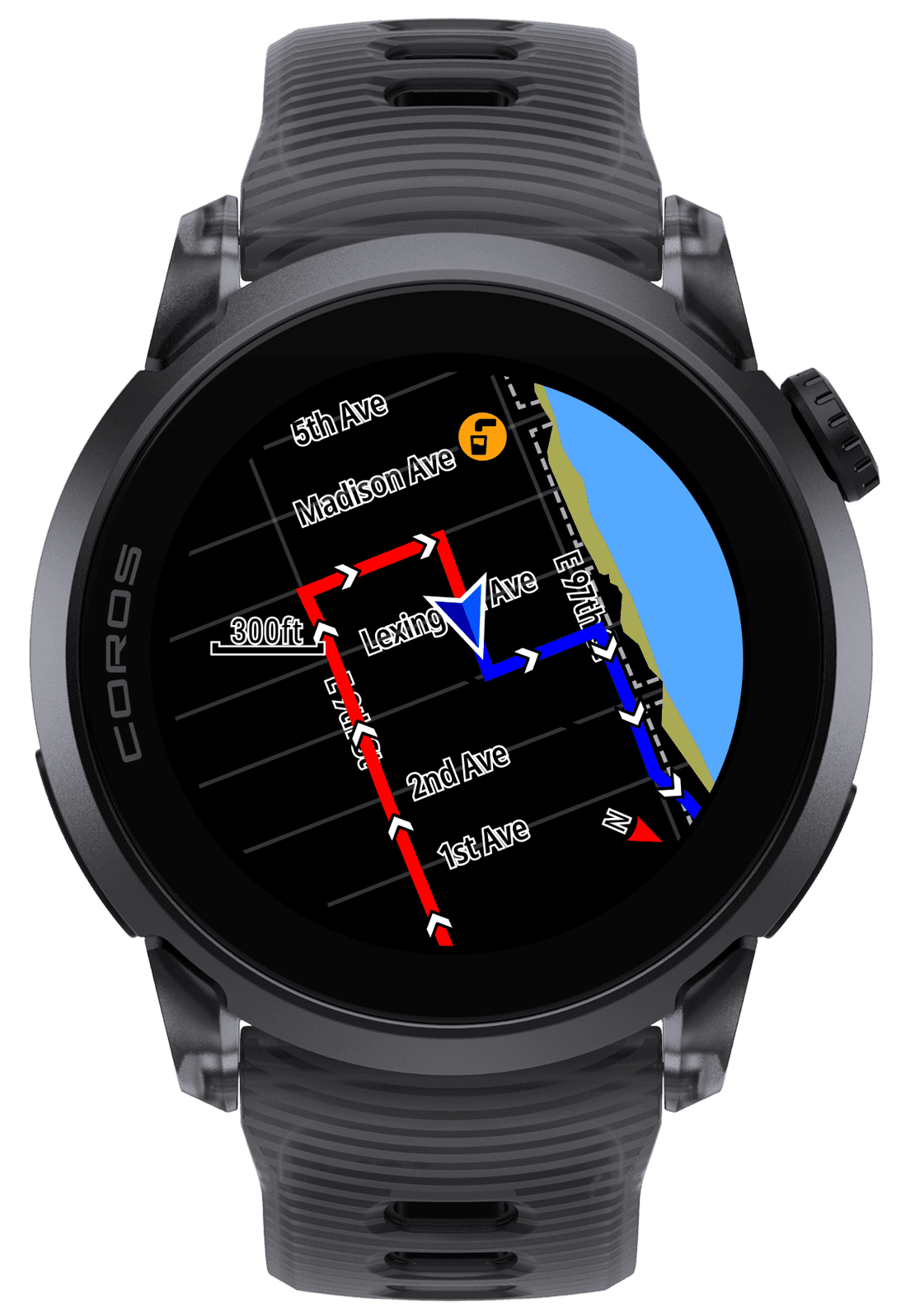
Garmin watches use a combination of GPS signal, accelerometer data, barometric altimeter pressure readings, and optical PPG heart rate to classify activities. That multi-sensor stack makes misclassification much rarer on a Fenix 8 or Forerunner 965. Coros takes a similar approach on the Pace 3 and Vertix 2S, leaning heavily on GPS lock to anchor the activity type before anything else. Apple Watch Ultra 2 uses motion data plus a dedicated workout detection prompt. Whoop 5.0, like Oura, is a ringless wrist strap without GPS, so it faces structurally similar detection problems, though Whoop's strain model focuses less on activity labeling and more on cardiovascular load.
Why This Hits Endurance Athletes Differently
Most triathletes and runners do not ride horses. But the misclassification story reveals a deeper limitation: any wrist or finger-worn device without GPS will struggle to separate activities that produce similar motion and heart rate patterns. Think about a Hyrox competitor doing ski erg intervals. Or a cyclist on a stationary trainer. Or a swimmer doing drills. The PPG signal on the finger or wrist sees rhythmic movement and elevated blood flow. Without GPS coordinates or pressure altitude changes from a barometric altimeter, the device is essentially guessing. Oura is honest about this, which is something. The ring was never designed for real-time sport tracking the way a Garmin Forerunner was.
The practical fix for Oura users is manual activity logging. You tap the activity before you start, and the ring records under that label. That sidesteps the detection problem entirely. But if you forget, or you expect automatic detection to work like it does on a Garmin or Polar Vantage V3, you will be disappointed. Polar's automatic detection on the Vantage V3 uses both optical PPG and wrist accelerometer data with a GPS confirmation layer, which keeps false positives low. Oura does not have that GPS fallback, and that gap is structural, not a firmware bug.
What the Ring Does Well Despite This
For recovery tracking, sleep staging, and resting heart rate trends, the Oura Ring Gen 4 remains one of the most accurate finger-worn devices available. Finger PPG is physiologically closer to the arterial blood supply than wrist PPG, which is why Oura's overnight HRV and SpO2 readings tend to be more stable than those from a Garmin or Apple Watch worn loosely on a wrist during sleep. The SpO2 sensor uses optical light absorption, not electrical signals, to estimate blood oxygen saturation. For an endurance athlete using Oura as a recovery layer alongside a sport watch, that's a legitimate use case. Use Oura at night. Use your Garmin or Coros during the day's workouts.
What's missing is obvious. No GPS. No barometric altimeter. No ECG capability (unlike the upcoming [Coros Pace 4 with ECG](/en/articles/coros-pace-4-confirmed-for-november-10-with-amoled-and-ecg-2026-05-16)). No real-time workout metrics beyond heart rate. The automatic activity detection, as Hale's comment confirms, is not reliable enough to trust for an athlete who does more than walking and gym sessions. The $349 price tag for the Gen 4 also stings when you realize you still need a sport watch for anything involving actual training data.
The verdict: Oura Ring Gen 4 is the right tool for sleep and recovery monitoring, full stop. If you are a triathlete, runner, or cyclist who also rides horses or does wrestling-adjacent CrossFit, manual log every session or accept the misclassification. Do not use it as your primary sport tracker. For $349, pair it with a Garmin Forerunner 965 or a Coros Pace 3 and let each device do what it was built for. If you want one device to rule everything, the Oura is not it.
Mentioned watches
Head-to-head comparisons
Buying guides