RED-S in Female Athletes: What Your Wearable Data Actually Shows
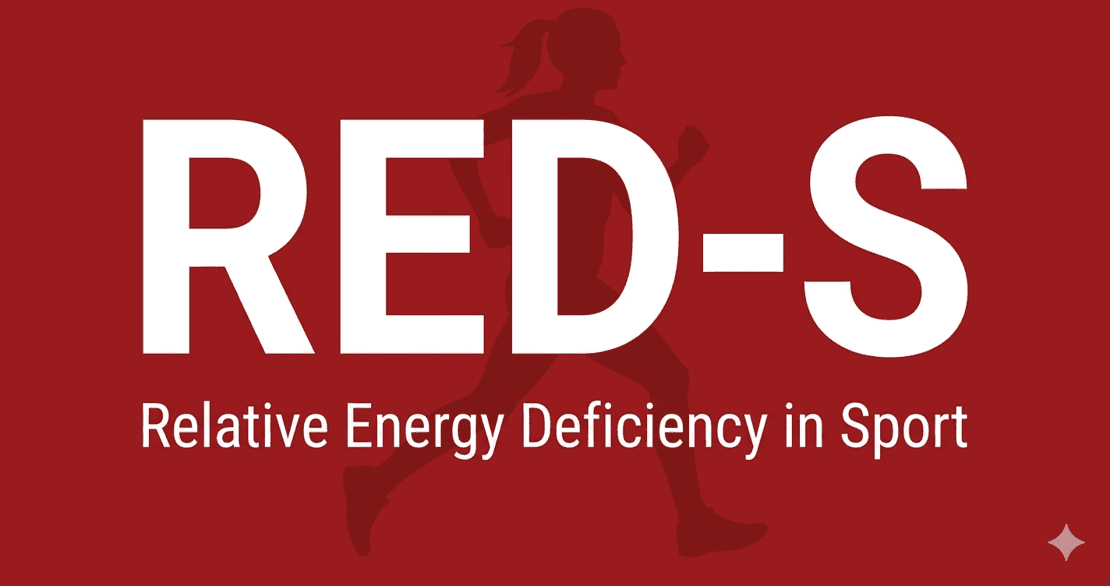
RED-S (Relative Energy Deficiency in Sport) is one of the most underdiagnosed performance killers in female endurance athletes. It does not arrive like a stress fracture or a sudden fitness collapse. It creeps in through wearable data that looks almost normal until it very much is not, and by the time most athletes notice, the hormonal cascade has been running for weeks or months.
What RED-S Actually Does to Your Physiology
The core mechanism is an energy availability deficit: your body is not getting enough fuel to cover both training load and basic biological functions. Reproductive hormone production gets depressed first. Cortisol stays elevated. Bone remodeling shifts toward net loss. The body is not broken. It is prioritizing survival over performance, and it is ruthlessly efficient at it. This is why RED-S often looks like overtraining on a wearable, because the downstream stress markers overlap almost completely.
HRV is the first metric to move. A sustained downward drift in your morning HRV baseline, not a single bad day but a multi-week trend, is one of the clearest early signals available from a consumer device. WHOOP tracks this well with its strain-to-recovery ratio, and Garmin's Body Battery will start refusing to fully recharge overnight. Oura's readiness score will flag the pattern too, though its sensitivity varies depending on how consistently you wear it during sleep. None of these devices can diagnose RED-S. They can show you that something systemic is wrong and prompt you to ask harder questions.
What Garmin, WHOOP, and Oura Can Realistically Detect
Garmin's wrist-based optical PPG sensor measures blood volume changes to derive heart rate and HRV. The Fenix 8 and Epix Pro log nightly HRV status and flag when your 5-night average drops significantly below your personal baseline. That 5-night window is useful because it smooths out single bad nights from alcohol or poor sleep and surfaces genuine physiological trends. WHOOP takes a similar approach but with more aggressive recovery scoring and a monthly performance assessment that tracks HRV trends over time. If your 30-day HRV average drops 8 to 12 percent without a corresponding spike in training load, that is worth flagging.
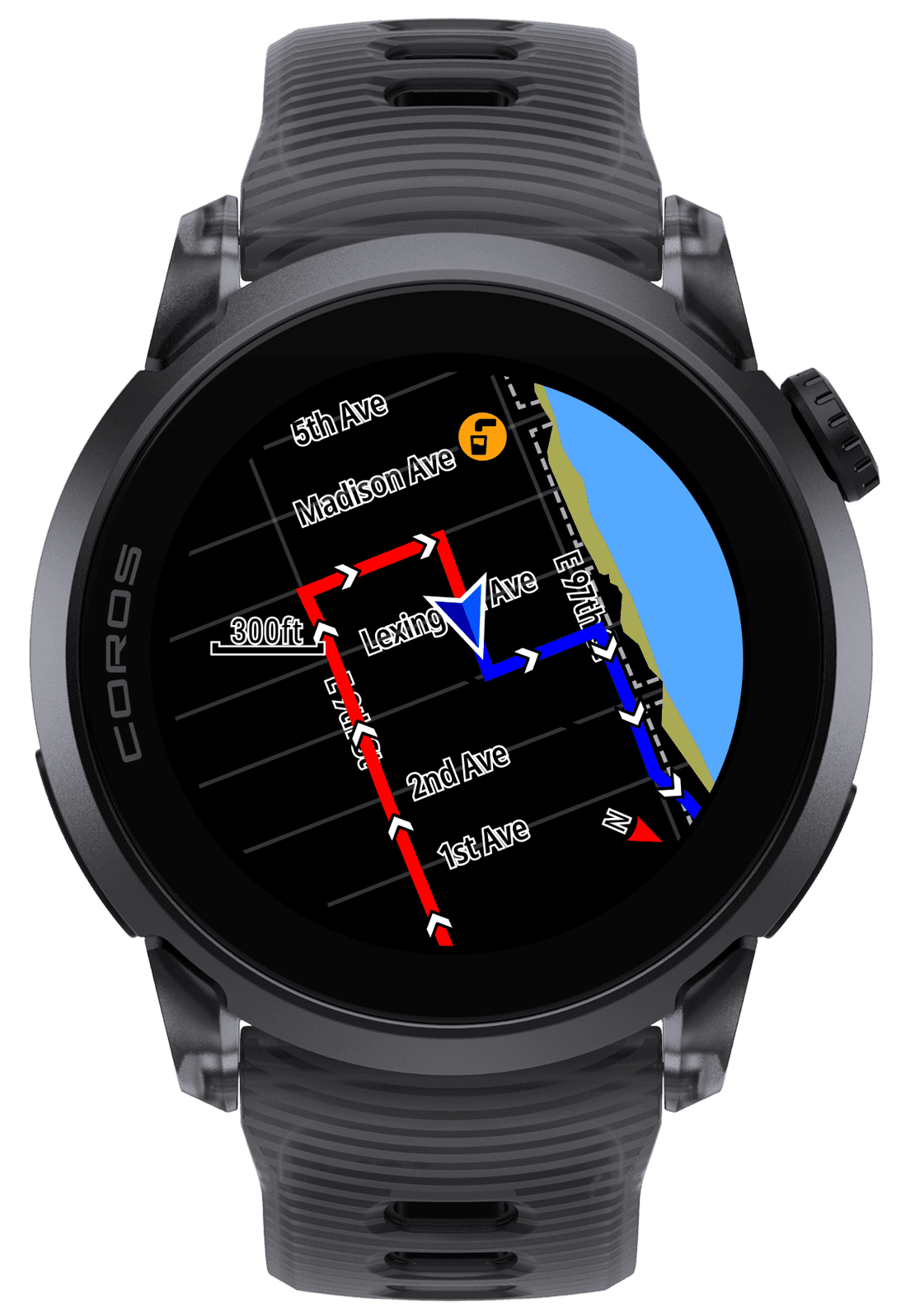
Resting heart rate elevation is the second signal. A resting HR that climbs 4 to 6 bpm above your established baseline, sustained over two or more weeks, is consistent with the kind of chronic stress response RED-S produces. Polar's Nightly Recharge on the Vantage V3 and Ignite 3 is actually quite good at catching this because it measures autonomic nervous system activity during the first hours of sleep using optical PPG, giving you a cleaner window into recovery status than a 24-hour average. Coros watches are more conservative with health analytics and will not give you the same depth of recovery trend data, though their training load tools remain strong.
Menstrual cycle tracking adds a critical layer. Garmin Connect's cycle tracking and the Oura app's cycle insights can identify shifts in cycle length before a period disappears entirely. A cycle that shortens from 28 days to 23 days, then extends irregularly, is a physiological warning sign. No optical sensor can measure estrogen or progesterone directly. What these apps are doing is pattern recognition on logged data combined with HRV and temperature shifts, not hormonal measurement. The distinction matters.
What Only a Clinician Can Confirm
No wearable in 2026 can measure bone mineral density, serum estradiol, LH, FSH, or ferritin. These are the markers that actually confirm RED-S and determine its severity. A DEXA scan is the gold standard for bone health. Blood panels showing low ferritin (under 30 ng/mL is a red flag for endurance athletes), suppressed LH, and low estradiol require a sports medicine physician or endocrinologist to interpret in context. Your Garmin cannot do this. Your WHOOP cannot do this. Treating a declining HRV trend as sufficient confirmation to self-diagnose is a mistake that delays proper intervention.
What is genuinely disappointing about current wearable technology is the absence of coordinated alerting. If your HRV baseline drops 10 percent, your resting HR rises 5 bpm, and your cycle logs show irregularity across the same 6-week window, a smart system should flag that convergence explicitly and recommend clinical follow-up. Garmin, Oura, and WHOOP all have access to this data in isolation. None of them currently cross-reference it into a unified RED-S risk signal. That is a missed opportunity, and it leaves the interpretive burden entirely on the athlete.
If you are a female endurance athlete seeing declining recovery scores that will not respond to easier training weeks, rising resting HR without a clear cause, or any menstrual irregularity, treat your wearable data as a reason to seek a clinician, not a reason to eat slightly more and hope for the best. The devices worth using here are Oura Ring 4 or WHOOP 5.0 for sleep and HRV depth, Garmin Fenix 8 or Polar Vantage V3 for training load context, and any app with dedicated cycle tracking. The investment in a sports medicine consultation is worth more than any of them.
Mentioned watches
Head-to-head comparisons
Buying guides