Suunto Race 3S and Apple Watch Ultra 4 Compared
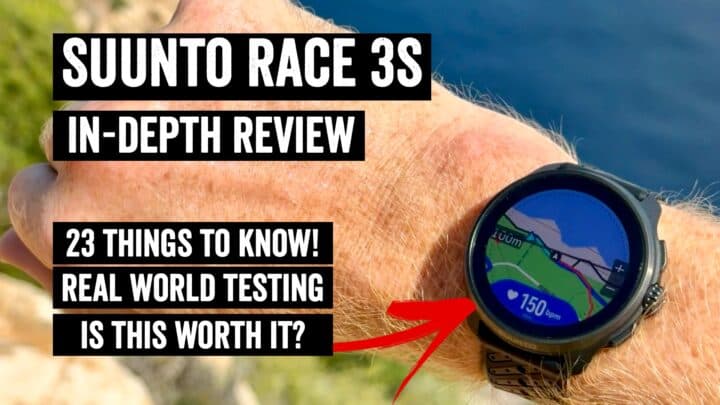
The Suunto Race 3S and Apple Watch Ultra 4 arrive with very different priorities. Suunto has refreshed its compact endurance watch with a titanium bezel, sapphire crystal, a 2,000-nit screen and claimed 38-hour dual-frequency GPS battery life, but raised US retail price to $599. Apple, according to Runner’s World, has made the Ultra 4 far more usable day to day through faster GPS acquisition, better battery life and a stronger health suite. Both are better watches. Neither is the simple choice for every athlete.
Suunto upgrades the hardware, but asks a lot
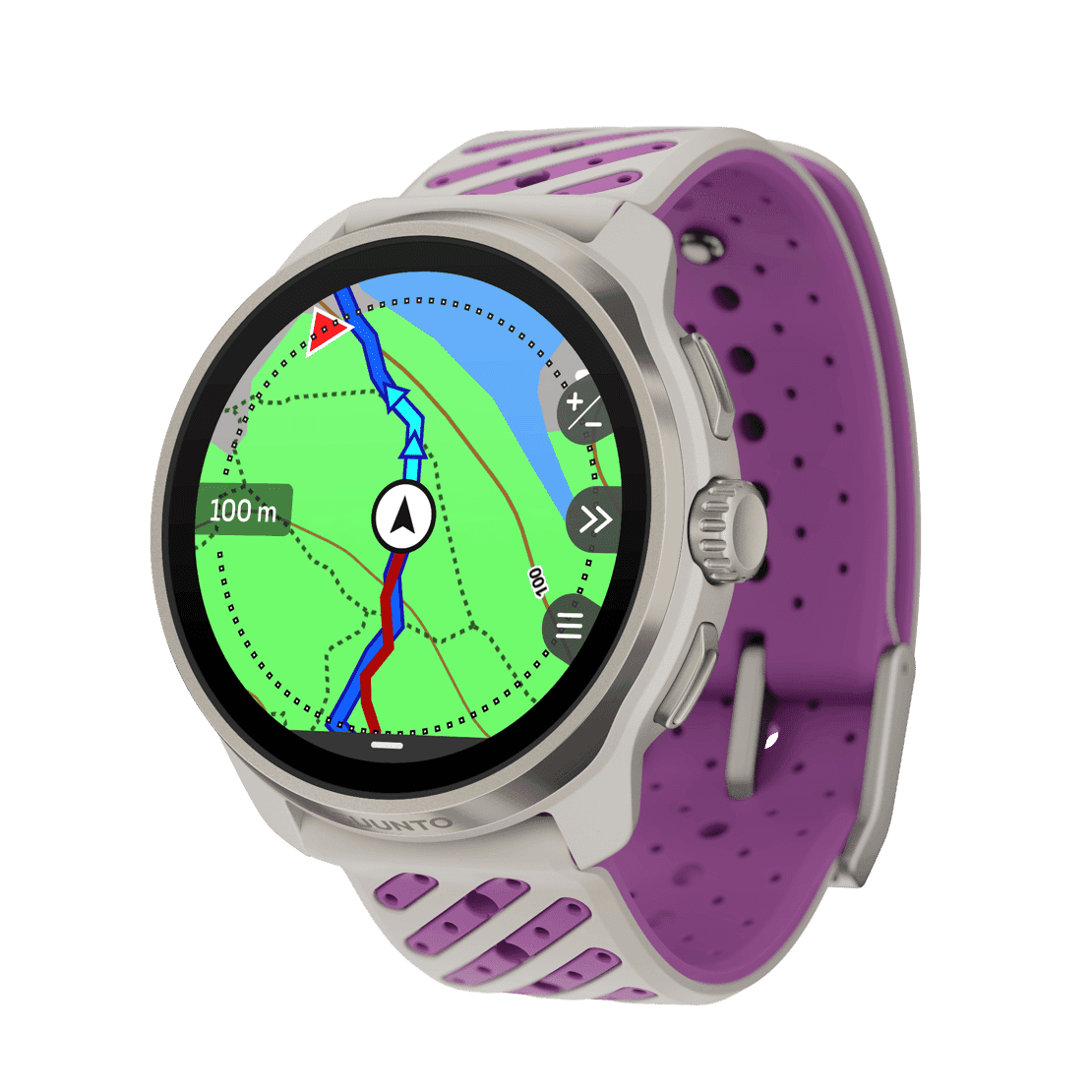
The Race 3S is lighter than the prior Race S despite its case growing from 45mm to 46mm, and it doubles storage to 64GB. It also adds offline MP3 playback, though this means manually transferring files by cable, with no streaming services. For trail runners who want maps and long GPS runtime in a smaller watch, that core package makes sense. We have covered the full launch specs in our [Suunto Race 3S launch report](/en/articles/suunto-race-3s-launches-with-titanium-and-38-hour-dual-band-gps-2026-10-16).
The display is easy to read in sun, according to DC Rainmaker, and the new optical heart rate sensor is a significant step up from the Race S sensor. Remember what that means: wrist heart rate is PPG, estimating blood-volume changes with light. It is not measuring the heart’s electrical impulses as an ECG chest strap does. Suunto also adds tide data, expanded map labels and ascent targets, while Race Planner is promised later this year without requiring the Suunto AI Coach subscription.
Still, the upgrade is awkwardly positioned. DC Rainmaker found widget scrolling laggier than on the older Race S despite the newer processor, and calls out the lack of a physical LED flashlight when the same-priced Suunto Vertical 2 has one. The 2,000-nit panel is fully usable, but the reviewer points out that other 2026 watches use brighter displays. Titanium and sapphire are welcome. A $599 jump from $349 needs more than welcome.
Apple gets better at the basics
Runner’s World found the Ultra 4 locks GPS quickly across parks, tree-lined streets and tall buildings. GPS relies on satellites, and fast acquisition matters more than a pretty spec sheet when a session is waiting. The review also reports up to three days in very heavy use, exceeding Apple’s stated two full days in GPS mode. The smartwatch side remains Apple’s clearest advantage: calls, messages, music control, transit payment and the app ecosystem are all integrated in a way dedicated sports watches still struggle to match.
Its wrist PPG sensor performed within two to three beats per minute of an external ECG/Holter monitor during steady work, walking and easy jogging, according to Runner’s World. Hard running widened that difference to five to seven beats per minute. That is progress, not perfection. Athletes setting zones around high-intensity work should still use a chest strap, which reads the heart’s electrical signal, rather than lean entirely on wrist optics.
What is missing or disappointing is clear on both sides. The Ultra 4 measured distance 1 to 1.5 percent long in the review, samples heart rate roughly every five seconds, lacks lactate threshold, and makes offline mapping less straightforward than a dedicated running watch. It is also heavy enough that the reviewer stopped using it for ultra-distance runs. The Race 3S offers the more endurance-focused toolkit, yet its interface performance, screen-based rather than physical flashlight, and steep price dilute its appeal.
Our verdict: choose the Apple Watch Ultra 4 if connected everyday life and uncomplicated running are the priority. Choose the Suunto Race 3S if you value maps, lighter-on-wrist endurance hardware and offline navigation. Serious runners training hard by heart-rate zones should look toward the dedicated Garmin approach described by Runner’s World, or pair either watch with a chest strap.
Head-to-head comparisons
Buying guides