Ultrahuman Ring Pro Reaches US Stores at $479
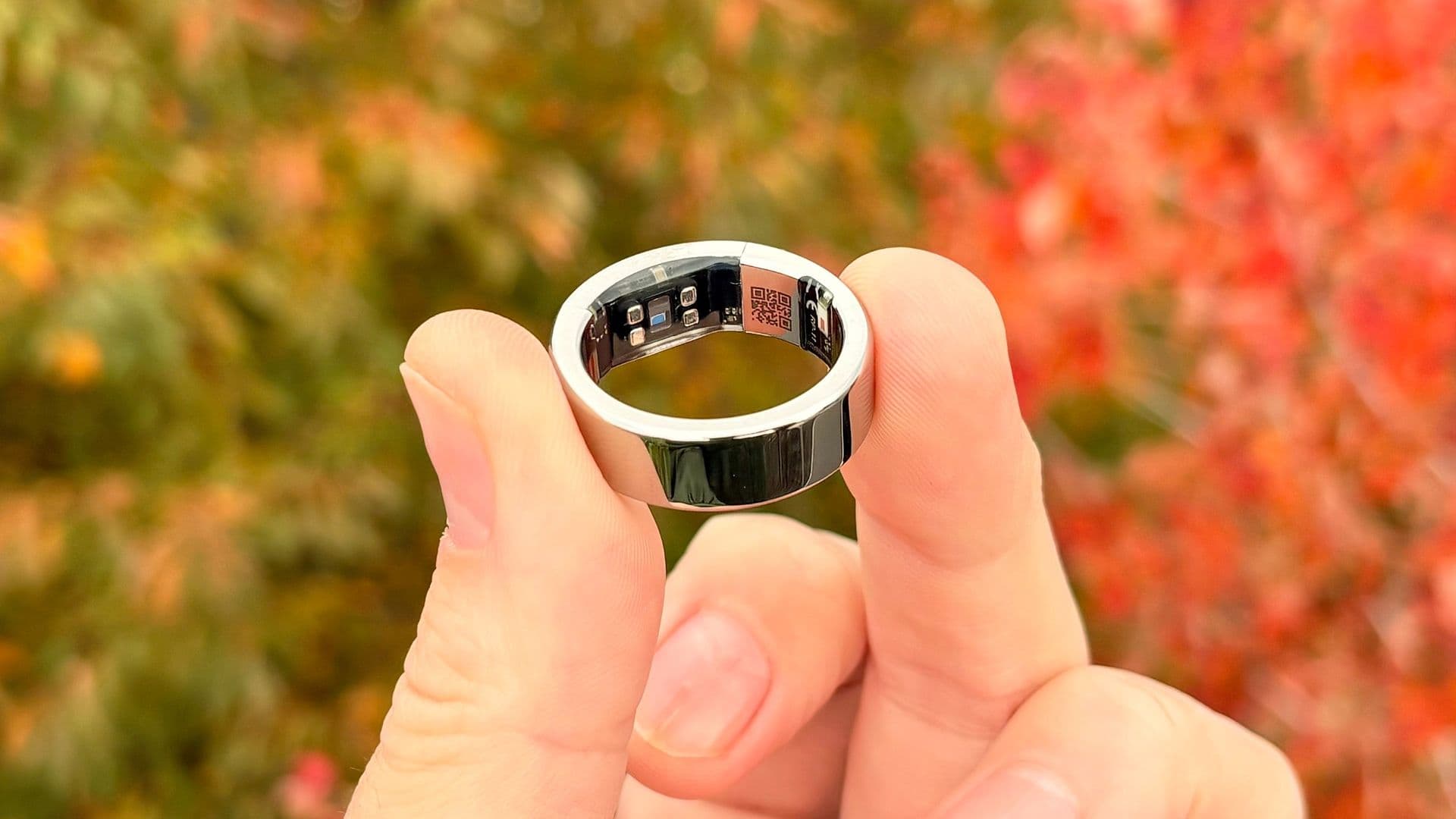
The Ultrahuman Ring Pro is now on US store shelves at Best Buy and Amazon for $479, according to Tom’s Guide. It is the redesigned successor to the Ring Air, which was kept off US shelves in 2025 following Oura patent litigation. For endurance athletes, the appeal is clear: continuous sleep, recovery and cardiovascular tracking without another monthly bill. But this is a wellness ring, not a replacement for the sport watch we use to guide a session.
Tom’s Guide has only worn the Ring Pro for a few days, so the important performance questions remain open. The ring has a reworked heart-rate sensor, extra processing power and on-device machine learning intended to improve cardiovascular, sleep and recovery insights. That sounds promising, but we would wait for proper comparison testing before trusting its optical heart-rate data during intervals, rides or strength work. Wrist and ring sensors use PPG, reading changes in blood volume with light, and hard training is exactly where movement can make that measurement difficult.
A redesigned ring with no subscription
The biggest practical change is the pricing model. Ultrahuman includes core wellness tracking with the purchase, while Oura requires a $5.99 monthly or $69.99 annual subscription for smart-ring use, Tom’s Guide reports. The Ring Pro costs $79 more than the Oura Ring 5 at the outset, but Tom’s Guide calculates that it becomes the better value after about 14 months. For athletes already paying for training platforms, removing one recurring fee is a real advantage.
Its new unibody construction also has a legal purpose. Ultrahuman CEO Mohit Kumar told Tom’s Guide the company went through a US Customs procedure to secure an order classifying the revised design as unique and non-infringing for the patent at issue. That does not end the wider dispute around the product, as we covered when [Oura sued Ultrahuman over Ring Pro patents](/en/articles/oura-sues-ultrahuman-over-ring-pro-patents-2026-10-23) and sought to block US sales. Still, the ring is currently available in the US. The body also introduces ProRelease Technology, designed to make the ring easier for emergency responders or medical professionals to cut off.
Battery and charging look genuinely useful
Ultrahuman claims up to 15 days per charge, compared with Oura Ring 5’s claimed nine days. The included Pro Charging case can fully recharge the ring twice, taking the claimed total to 45 days away from a wall outlet. The case is more than storage: it acts as the firmware-update connection point and offers haptic feedback and audible alerts, while side LEDs show its remaining capacity. For travel, training camps and races, that could mean one less cable and one less device to think about.
The compromises are size and unproven accuracy. In the size 11 silver finish tested by Tom’s Guide, the Ring Pro weighs 4.52 g, versus about 2.5 g for a comparable Oura Ring 5. It measures 2.6 mm through the band and about 4.8 mm at the sensors. Tom’s Guide’s tester found it easy to forget after a day, but a thicker ring can still be a nuisance around barbells, pull-up bars and bike tools. More importantly, there is no completed accuracy verdict yet and no real-world battery confirmation.
Our verdict: the Ring Pro is compelling for athletes who want recovery and sleep context without a subscription, especially if battery life proves out. Choose it over Oura Ring 5 if recurring cost matters more than having the lighter ring. Keep a dedicated sport watch for training metrics and navigation. Different jobs. Better setup.
Mentioned watches