Why a $40 Garmin Forerunner 170 Increase Is Claimed
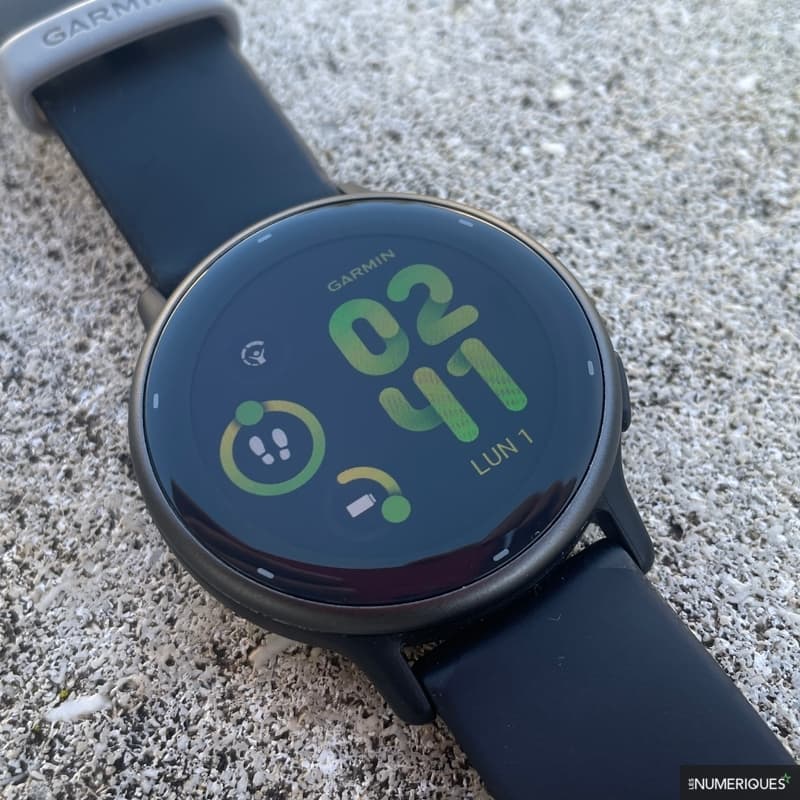
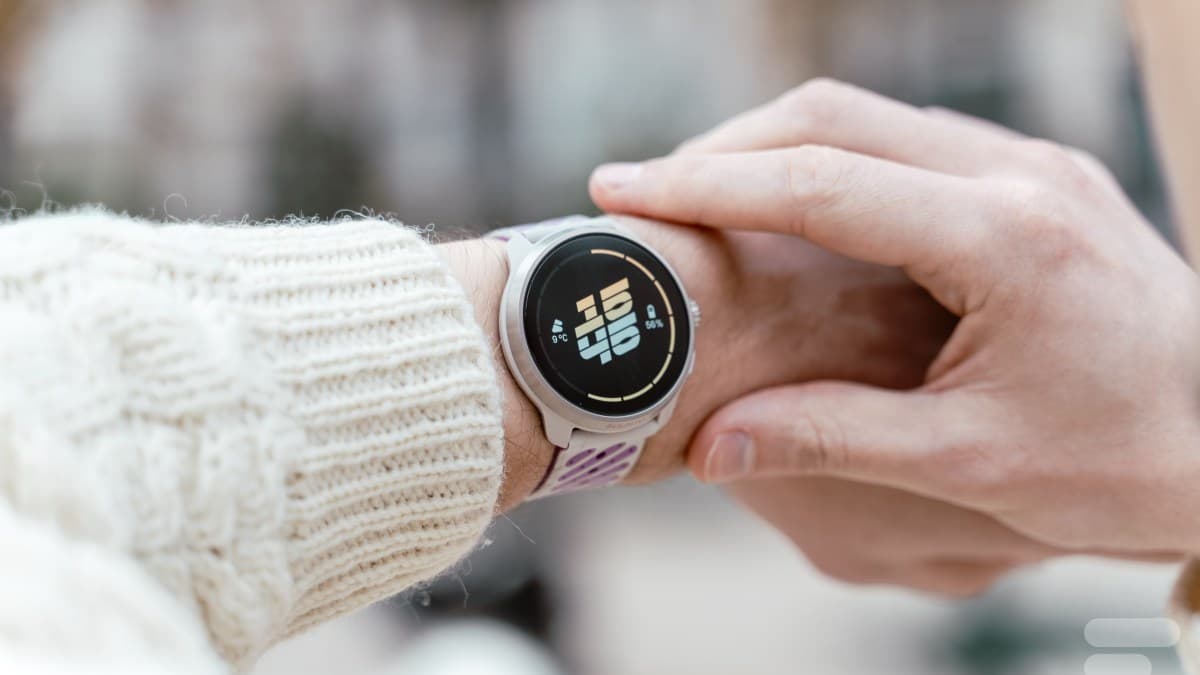
The5kRunner argues that the Garmin Forerunner 170 must rise by $40 in 2027 because memory chips bought near peak prices add about $6 per watch, with another $3 from smaller costs. The crucial qualifier is “must”: this is the publication’s margin-based argument, not a Garmin announcement of a new price.
The cost rise is small at factory level
For endurance athletes, a $40 move matters more than the component bill suggests. It can be the difference between replacing an aging run watch now and putting it off for another season. The5kRunner’s case is that a $9 increase in combined costs does not stay a $9 increase at retail when Garmin protects a 63% margin. Its conclusion is that the shelf-price effect becomes $40.
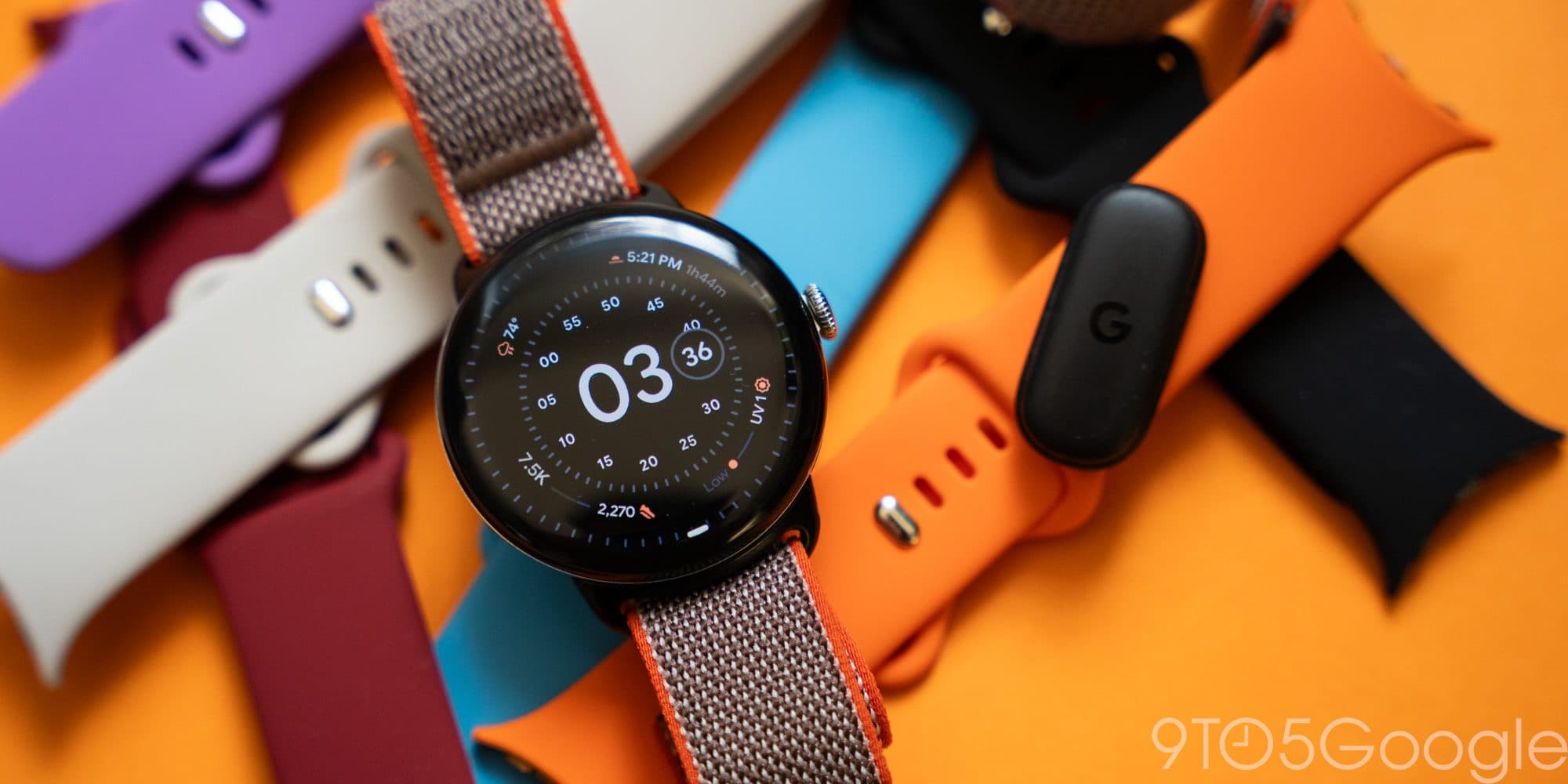
That is a familiar pain point in wearables. The device price is only one part of owning a watch, and extras can quietly inflate the total. 9to5Google found third-party Pixel Watch bands have improved sharply: its tested six-pack of silicone Active-style bands costs $10, while a knock-off Stephen Curry Fitbit Air band costs $9. Those are different products and not a direct comparison with a Forerunner, but they show why athletes increasingly look beyond the official accessory aisle when budgets tighten.
What athletes should take from the claim
We would not treat a potential Forerunner 170 increase as proof that training value has improved. More expensive memory does not make GPS tracks cleaner, wrist heart-rate readings more dependable, or interval execution easier. It is a supply-cost story. Runners who already have a capable watch can still make progress with structured training, a point worth remembering alongside our look at [why polarized running works without a smartwatch](/en/articles/polarized-running-works-without-a-smartwatch-2026-11-04).
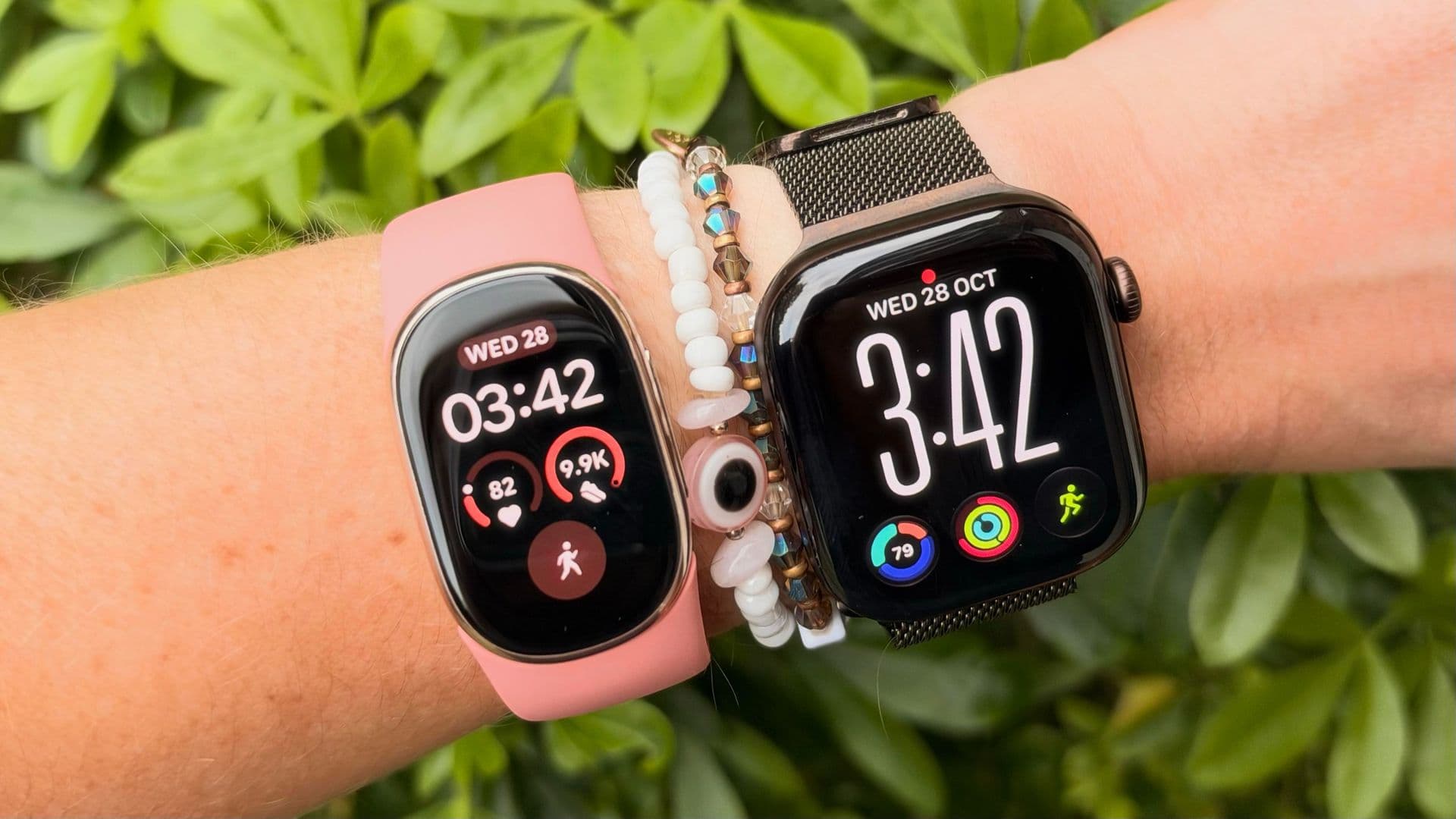
There is also a useful contrast in the broader fitness-watch market. Tom’s Guide reports that the Fitbit Edge starts at $179 and the Apple Watch SE 3 starts at $249. In one manually counted 5,005-step walk, the Edge recorded 5,016 steps while the Apple logged 4,896; the report also says both used 6% battery during the roughly 45-minute session. Price, battery life and basic activity accuracy remain the practical buying questions, even when component economics are doing the talking behind the scenes.
What is still missing
The disappointing part is the lack of detail behind the $40 conclusion. The5kRunner gives the $6 memory figure, the extra $3 in smaller costs and the 63% margin, but provides no Garmin confirmation, timing, regional pricing, or explanation of whether every Forerunner 170 configuration would be affected. Until those pieces appear, this is a plausible warning about pricing pressure, not a purchase deadline.
Our verdict: athletes shopping specifically for a Garmin Forerunner 170 should watch 2027 pricing, but should not panic-buy on this claim alone. A $40 increase would be meaningful against value-focused fitness trackers, while runners with a working watch are better served by judging their actual training needs first.
Mentioned watches
Head-to-head comparisons