Why Garmin and Whoop Missed TIME Magazine's Top Health Tech List
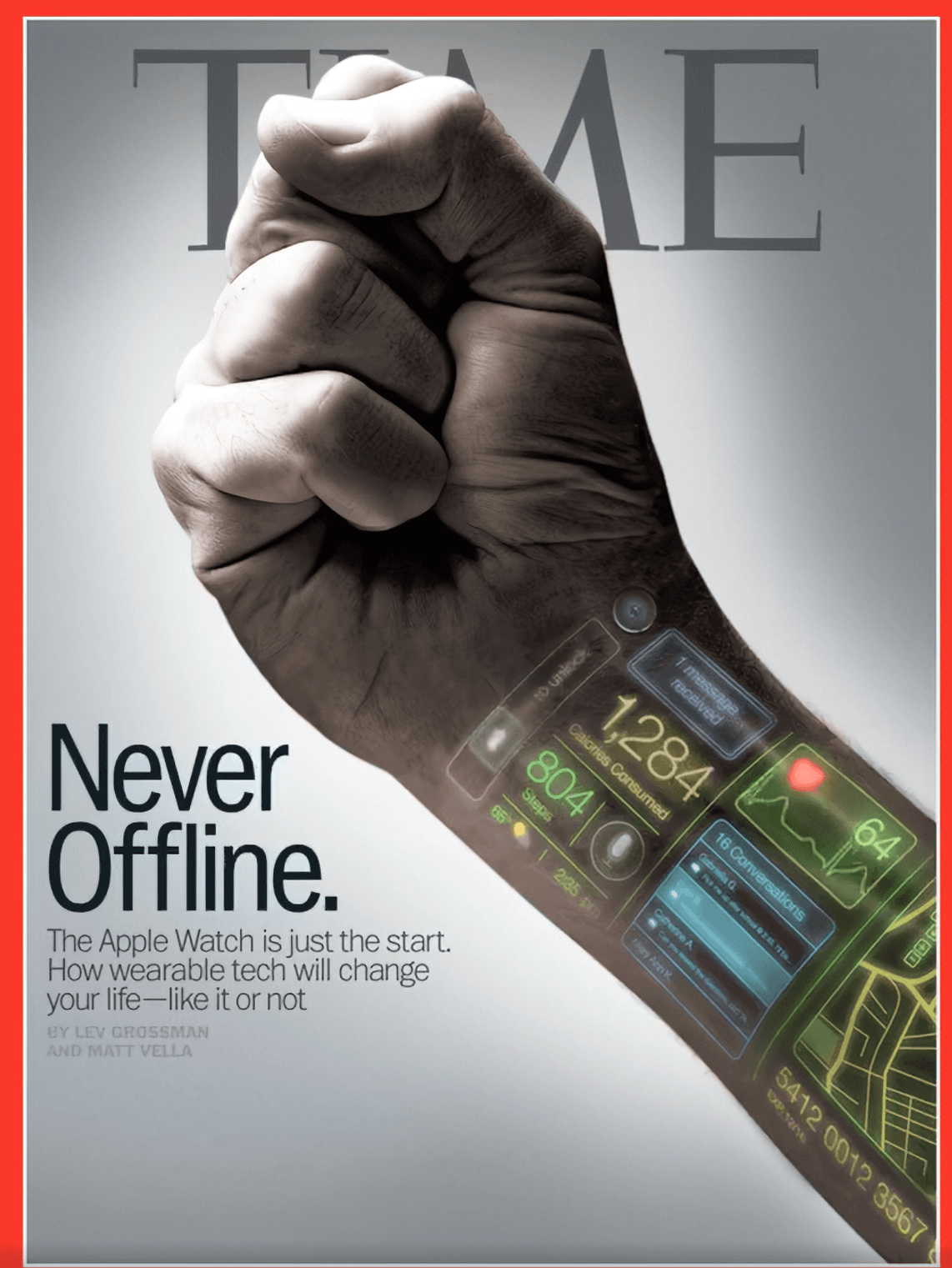
TIME Magazine released its top health technology rankings and left out two of the biggest names in endurance sport wearables: Garmin and Whoop. The nod went instead to Oura, Ultrahuman, and AliveCor, a cardiac monitoring specialist. That says something worth paying attention to.
The pattern here is clear. TIME rewarded devices built around passive, clinical-grade health monitoring rather than performance tracking. Oura Ring Gen 3 and Ultrahuman Ring AIR both focus on resting metrics: HRV, body temperature, sleep staging, and readiness scores without a screen demanding your attention. AliveCor's KardiaMobile delivers FDA-cleared ECG readings in 30 seconds. That is a different category of health validation than a Garmin Forerunner 965 or a Whoop 4.0.
Garmin and Whoop are not being punished for being bad products. The Forerunner 965 still has the best GPS accuracy in the sub-500 dollar bracket, and Whoop's strain and recovery model is genuinely useful for high-volume athletes. The issue is positioning. Both brands live in the performance-first lane. TIME was looking down the medical and longevity lane instead.
For endurance athletes this distinction matters practically. If your goal is race performance, Garmin and Coros still own the field for structured training load, VO2 max tracking, and multi-sport GPS. If you want the kind of passive health data that a cardiologist or longevity doctor would actually reference, the ring-based trackers and AliveCor are doing genuinely different work. Polar's H10 chest strap sits somewhere in between, trusted enough that researchers use it as a reference device in lab studies.
The verdict: Garmin missing this list is not a problem for Garmin. It is a reminder that the wearable market has split into two lanes, and the best tool depends entirely on what question you are trying to answer.
Mentioned watches
Head-to-head comparisons
Buying guides