Amazfit Cheetah 2 Ultra Review: GPS, Heart Rate, Battery Tested
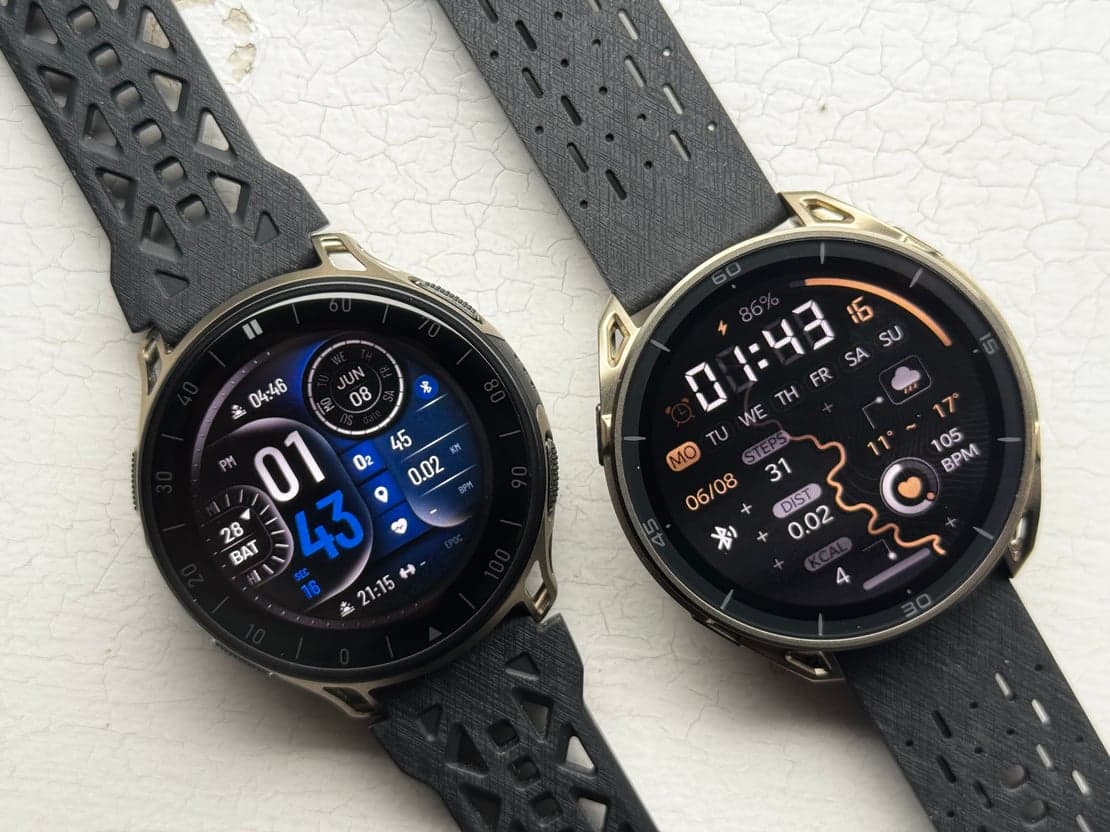
The Amazfit Cheetah 2 Ultra is a serious step forward from its predecessor. GPS accuracy jumped from 73% on the Cheetah Pro to 85% on this model, heart rate scoring hit Excellent in five out of six test sessions, and projected battery life sits at 55 hours in GPS mode. At £599.90, it lands directly against the Garmin Forerunner 970 at the same price point, which makes this a real fight rather than a budget compromise.
GPS and Navigation Performance
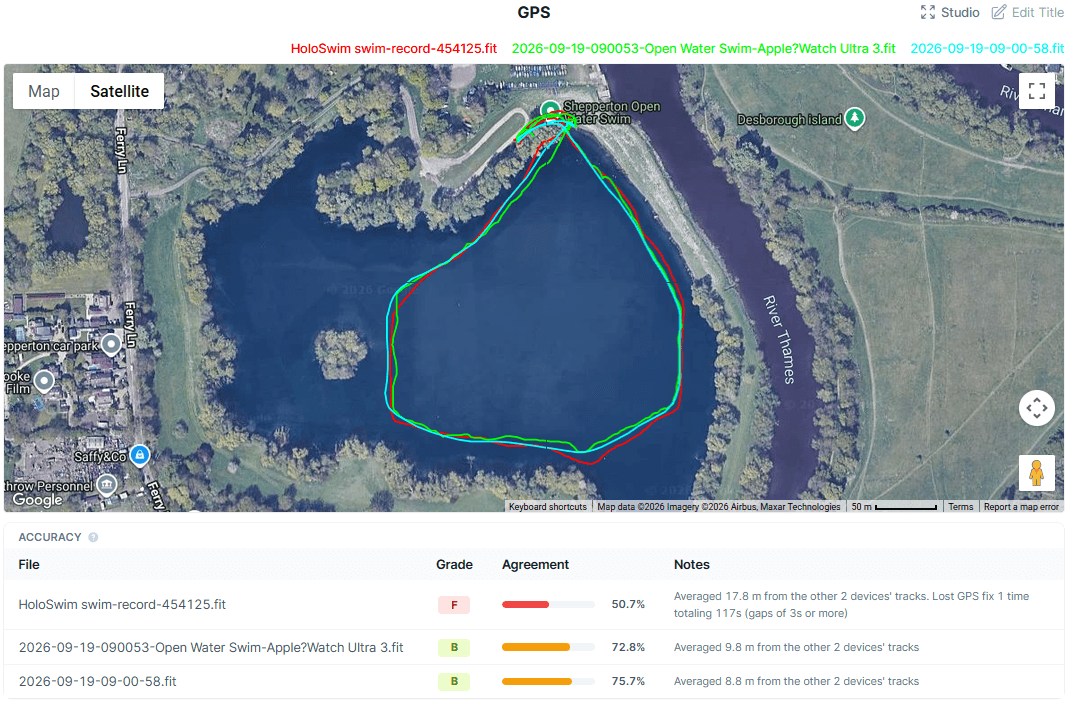
That 85% GPS score is meaningful in real terms. The Forerunner 970 typically scores in the high 80s to low 90s in comparable testing, so Amazfit has closed the gap but not eliminated it. For trail running specifically, where satellite signal gets interrupted by tree cover and steep terrain, the multiband GNSS system on the Cheetah 2 Ultra handles acquisition faster than the original Cheetah Pro did. The trail-specific features, including topo mapping and route navigation, work as advertised. This is not a watch that just bolts on trail branding for marketing purposes.
The barometric altimeter uses air pressure to track elevation changes, which matters on technical trail runs where GPS-derived altitude alone introduces errors of 20 to 30 meters in hilly terrain. Cumulative elevation gain figures should be more reliable as a result. Coros Vertix 3 owners will recognize this kind of dual-source approach, though Amazfit's implementation here is its own calibration logic.
Heart Rate Accuracy: Optical Sensor Results
Five Excellent ratings from six sessions is a strong result for wrist-based optical PPG heart rate. The sensor uses light to measure blood volume changes at the wrist, not electrical signals (that's what a chest strap does via ECG). In practice, this means the Cheetah 2 Ultra handles steady-state efforts well and tracks threshold intervals reliably. The one session that fell below Excellent likely reflects the usual culprits: tight cornering, wrist movement during high-cadence sprints, or loose fit. Polar H10 paired via Bluetooth or ANT+ remains the gold standard for accuracy if you need precise interval data, but the wrist sensor here competes with what Garmin puts in the Forerunner 970 and outperforms what Whoop 5.0 delivers during high-intensity efforts.
For swimmers, optical HR at the wrist faces physical limitations regardless of which brand makes it. Water turbulence and the optical sensor's sampling rate interact in ways that produce dropout. The Cheetah 2 Ultra supports open water and pool swim tracking, but pair it with an external optical arm strap or chest strap if accurate swim HR is critical to your training.
Battery Life and Daily Use
Fifty-five hours of GPS battery projection puts it ahead of the Apple Watch Ultra 3, which sits around 36 hours in GPS mode, and roughly level with the Coros Pace 4. The Garmin Forerunner 970 edges it out at around 60 to 65 hours in similar mode. For a 100-mile trail race or a full Ironman with extensive pre-race tracking, 55 hours covers most scenarios without a mid-event charge. Daily wear with always-on HR and sleep tracking will pull that GPS reserve down, which is worth factoring into your charging routine before race week.
Zepp OS has matured. The training load metrics, recovery scores, and sleep staging are more coherent than they were two years ago. Whoop's recovery model is still more nuanced for day-to-day readiness, but Whoop doesn't give you a GPS watch or any screen you can glance at during a run. Amazfit's ecosystem, including the [Amazfit Helio Strap Pro](/en/articles/amazfit-helio-strap-pro-hands-on-review-for-endurance-athletes-2026-06-21) as a companion chest optical strap, is expanding its accuracy options for athletes who want more than wrist PPG.
The Cheetah 2 Ultra also fits into a broader positive momentum for the brand. [Amazfit posted 33.8% revenue growth in Q1 2026](/en/articles/amazfit-zepp-q1-2026-results-33-8-growth-stock-down-19-2026-06-25), which suggests R&D investment is real and ongoing. The [Amazfit Balance 3 HYROX review](/en/articles/amazfit-balance-3-hyrox-review-hr-accuracy-and-partnership-assessed-2026-06-21) showed similar accuracy gains across their lineup, so the Cheetah 2 Ultra's improvements are part of a pattern, not a one-off.
What's missing is at the software level more than the hardware. Third-party app integration remains limited compared to Garmin Connect IQ. Training plan flexibility inside Zepp OS is less granular than what Garmin or Polar Flow offer. The SpO2 optical sensor works for spot checks and altitude acclimatization monitoring, but continuous SpO2 tracking in demanding conditions still drains battery faster than the headline figure suggests. Trail runners doing high-altitude ultras should test that tradeoff before race day.
At £599.90, the Amazfit Cheetah 2 Ultra is for the trail runner or triathlete who wants near-flagship GPS and heart rate accuracy without paying Garmin Fenix 8 prices. If you live in Garmin's ecosystem and rely on Connect IQ apps, stay there. But if you are open to switching, this watch earns its place against the Forerunner 970 on raw sensor performance. Not perfect on software depth. Solid everywhere else.
Mentioned watches
Head-to-head comparisons
Buying guides