Apple Watch 12 Faces Oura Ring 5 and Fitbit Edge
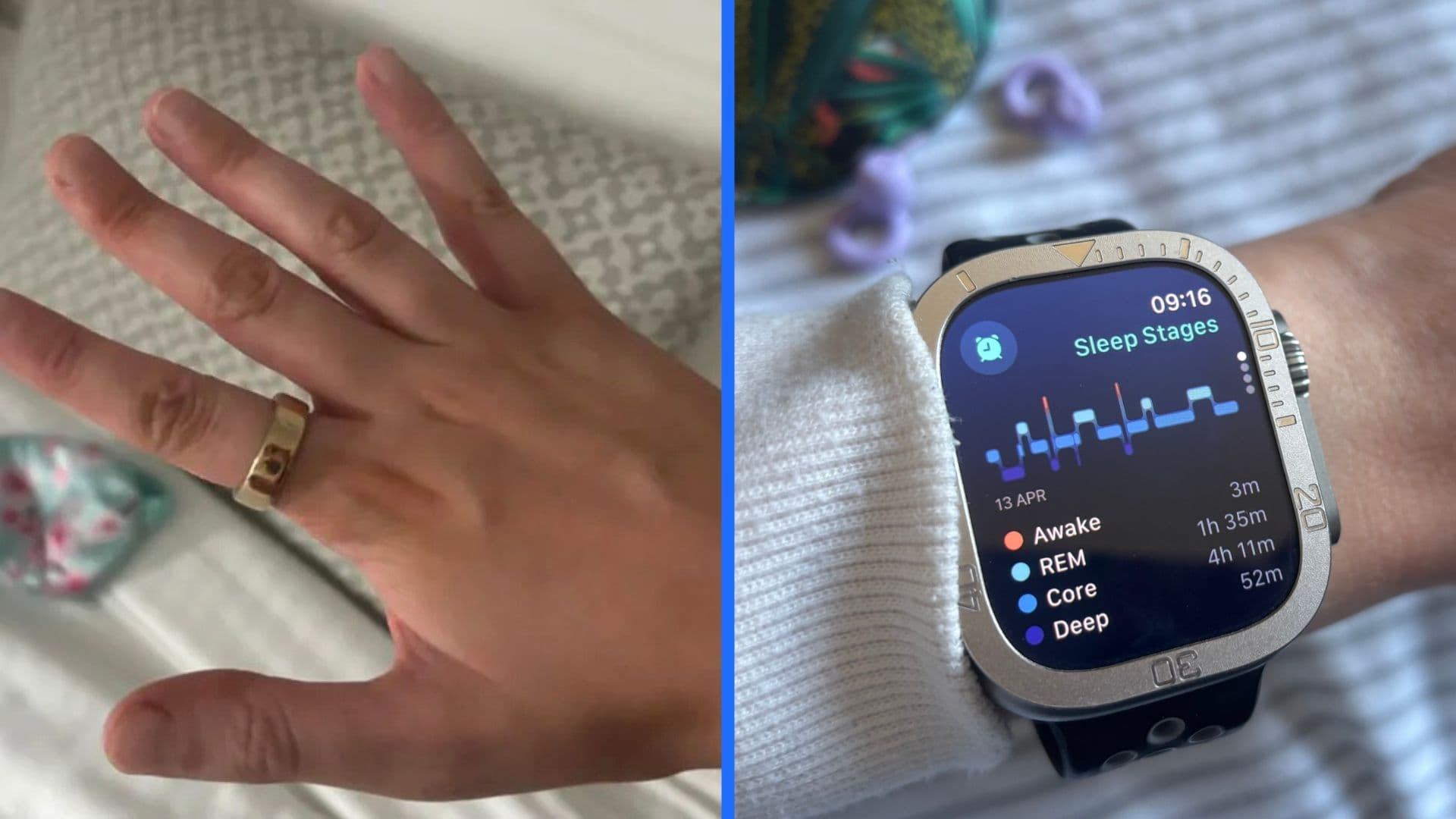
The Apple Watch 12 is a very capable all-rounder, but two recent Tom’s Guide tests expose the trade-offs endurance athletes should care about: Oura Ring 5 goes deeper on sleep and overnight comfort, while Fitbit Edge edged Apple in one controlled walk for steps, climbing and heart-rate plausibility. Apple still came closer on distance and pace. This is less a clean win than a reminder to choose the device around the training question we actually need answered.
For iPhone users, Apple’s advantage is convenience. The watch delivers sleep stages, sleep consistency, overnight heart rate, respiratory rate, body temperature and a daily score in the same ecosystem as training, notifications and apps. It also has sleep-apnea detection on Series 10 and later, which analyses breathing patterns for a high amount of disturbances. If we want a screen on the wrist and a smartwatch that also tracks sleep, Apple remains the obvious practical option.
Oura makes the stronger case for sleep
According to Tom’s Guide’s tester, Oura Ring 5’s sleep score is harder to push into the 90s than Apple’s, which they interpret as a sign of more demanding, deeper sleep analysis. Apple builds its score from interruption, duration and bedtime. Oura uses sleep efficiency, restfulness, REM sleep, deep sleep, sleep-onset latency and sleep timing, while also offering its Readiness score and Body Clock chronotype analysis. For an athlete trying to spot accumulating fatigue, that broader framing is more useful than a reassuringly high number.
Comfort might be the bigger deal. Tom’s Guide calls Ring 5 Oura’s thinnest, most lightweight smart ring yet and says it is 40% smaller than Ring 4. A screen-free ring will not suit everyone, especially anyone who likes viewing Vitals on the watch itself, but less hardware on the wrist is a real advantage at night. Plenty of runners and cyclists happily train with a watch yet hate sleeping in one. Oura is purpose-built for that person.
Fitbit wins the walk, with important caveats
In Tom’s Guide’s 55-minute test, Strava on an iPhone 16 Plus served as the control, recording 6,094 steps, 3.28 miles and 480 feet of climb. Fitbit Edge logged 6,079 steps and 476 feet, while Apple Watch 12 reported 6,053 steps and 502 feet. Apple was closer for distance, at 3.22 miles against Fitbit’s 3.15, and its average pace was closer to the control. Both devices have GPS, barometric altimeters and continuous heart-rate monitors, but the barometric altimeter measures air pressure for elevation, rather than estimating climb from satellite positioning alone.
What is missing is repeatability, and this is where we should resist declaring a permanent accuracy champion. It was one walk by one tester, with workout stop timing affecting Fitbit’s elapsed time and pace. The Apple Watch’s average heart rate was 133 bpm, which the tester felt was unexpectedly high; Fitbit’s was 115 bpm and described as slightly lower than anticipated. Neither figure was checked against a chest strap, which measures the heart’s electrical impulses through ECG rather than optical blood-flow changes at the wrist. So the test is useful evidence, not a lab verdict. Edge also has essentially zero smart features, and Oura’s deeper insights come with a monthly membership after the free first month.
Our take: choose Oura Ring 5 if sleep comfort and recovery context are the priority; choose Fitbit Edge if a distraction-free fitness tracker across Android and iOS is the goal. Choose Apple Watch 12 if we want a versatile iPhone companion that remains strong for distance, pace and everyday training, especially alongside the expanding software side of [watchOS 27.2](/en/articles/watchos-27-2-expands-siri-ai-on-apple-watch-2026-10-26). Not perfect. Still the best compromise for athletes who want one device on the wrist.
Mentioned watches
Head-to-head comparisons