Coros Pace 4 Pro Leads Triathlon Watch Picks for 2026
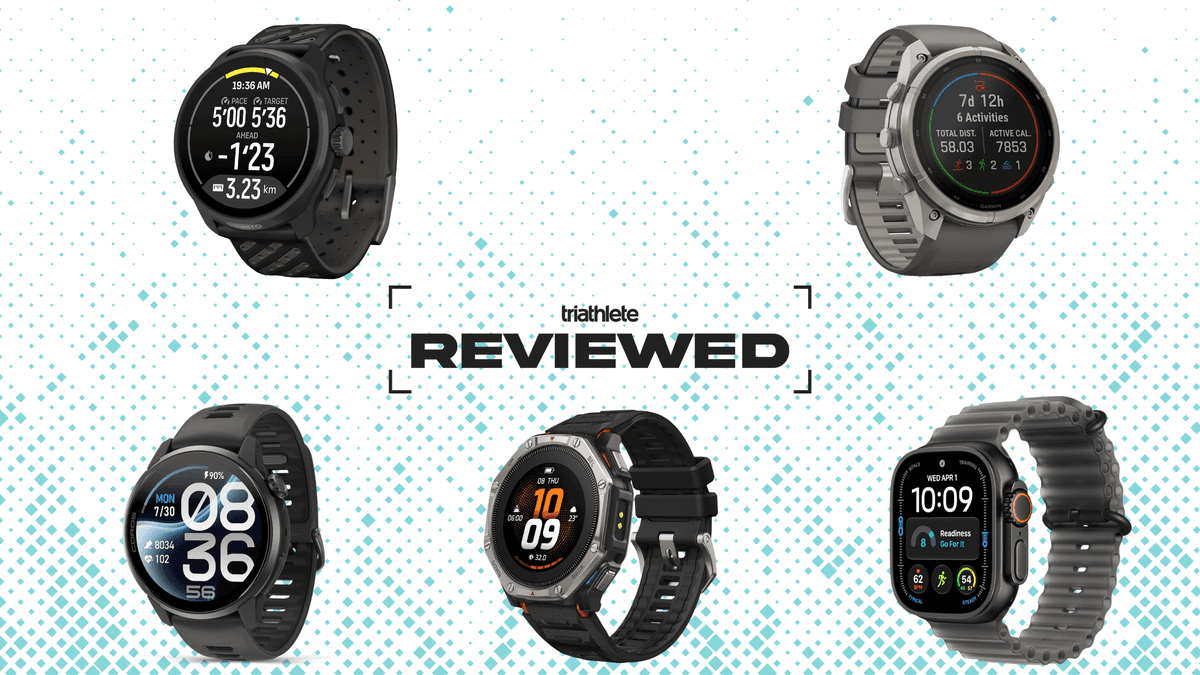
Triathlete’s October 16 guide puts the Coros Pace 4 Pro at the front of a crowded 2026 multisport-watch field. Its case is simple: a 51g watch with a 37.3mm AMOLED display, 40 hours of listed multi-band GPS battery life, offline mapping, a digital dial and a $450 price. According to editor Chris Foster’s hands-on testing, that combination brings features once reserved for far pricier watches into the middle of the market.
The compelling middle ground
The Pace 4 Pro is the most convincing practical pick here. The 3,500-nit screen should matter to anyone trying to follow a route in direct sun, while the dial is a smarter navigation control than repeated touchscreen taps with wet fingers. It also has tri mode, running power, music controls and offline MP3 storage. For athletes with smaller wrists, its low-profile 51g build is a real advantage, especially when pulling a wetsuit off in transition.
Battery is where the Coros makes its broader case. Triathlete lists 21 days of everyday use and estimates 14 to 18 days of daily multisport use. That is a very different ownership experience from charging around training. The trade-off is appearance: Foster calls the design extremely sporty and less suited to all-day wear. Fair. This is a training tool first.
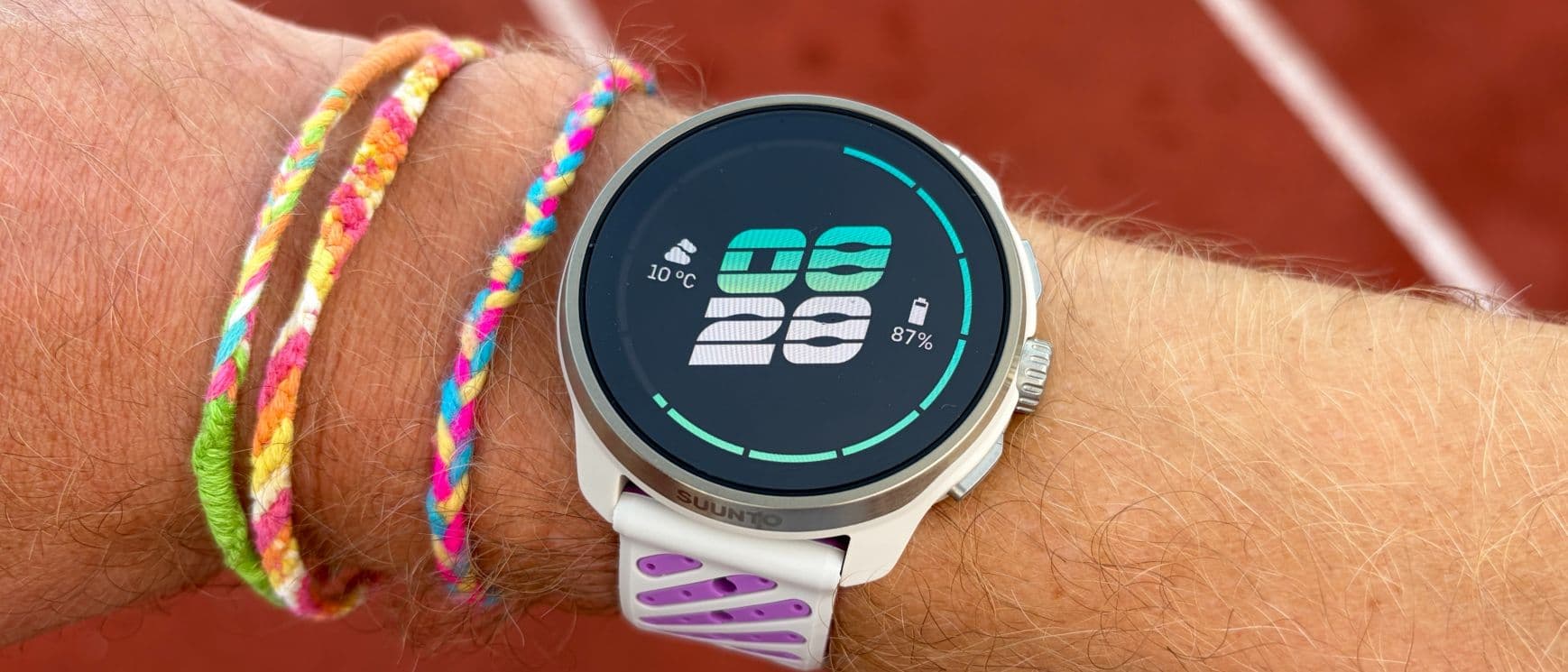
Suunto’s Race 3S shows how unforgiving this category has become. It supplies a 1.32-inch AMOLED touchscreen, 64GB for offline mapping and music, sapphire crystal glass, and 45 hours of multi-band GPS at around 56g. Yet Triathlete rates it only two stars overall and one for value. The problem is positioning: the Race 2 has more battery life for less money, while the Pace 4 Pro costs less, weighs slightly less and brings a larger screen with similar battery life. A smaller case alone is not enough.
Premium choices have clearer compromises
The Apple Watch Ultra 4 is the health and connectivity specialist, particularly for iPhone users. Triathlete gives it five stars for wrist heart-rate accuracy and ease of use, praising its Overnight Vitals, sleep-cycle tracking, respiratory rate, wrist temperature and HRV presentation. Its optical wrist sensor tracks blood-volume changes using light, so the value here is the quality and usefulness of the resulting recovery picture, not a replacement for a chest strap’s ECG measurement. The watch is listed at 50 hours of everyday battery and 18 hours of multi-band GPS, while a 15-minute charge is said to provide 18 hours. For daily iPhone life, it has strengths the sport-watch brands cannot match.
What is missing? Endurance-first battery life, and in Apple’s case Android compatibility. Triathlete estimates only 40 to 55 hours of daily multisport use for the 61g Ultra 4, against 14 to 18 days for the Coros. The 94g Amazfit T-Rex Dual Solar goes in the opposite direction, with a listed 25 days of everyday battery and 41 hours of multi-band GPS, plus an LED flashlight and dual-sided solar panels. Still, Foster finds its menus less intuitive than Garmin, Coros or Apple, and its large footprint will be a deal-breaker for plenty of athletes. The solar concept is interesting, but even the review frames it as more useful for backpacking than normal triathlon life.
Our verdict: choose the Coros Pace 4 Pro if you want the strongest blend of mapping, low weight and battery without moving into premium pricing. Choose Apple Watch Ultra 4 when iPhone integration and recovery metrics matter more than charging frequency. The Suunto Race 3S and Amazfit T-Rex Dual Solar each have good hardware, but the former is squeezed by better-value rivals and the latter asks athletes to accept too much bulk and interface friction.
Mentioned watches