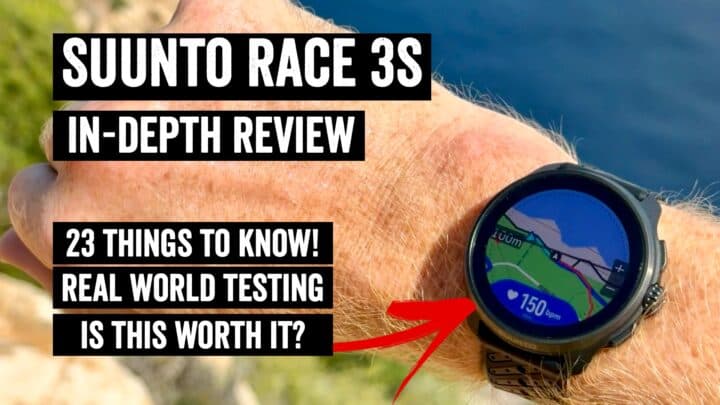
Suunto Race 3S Review: Premium Small Watch, Premium Price
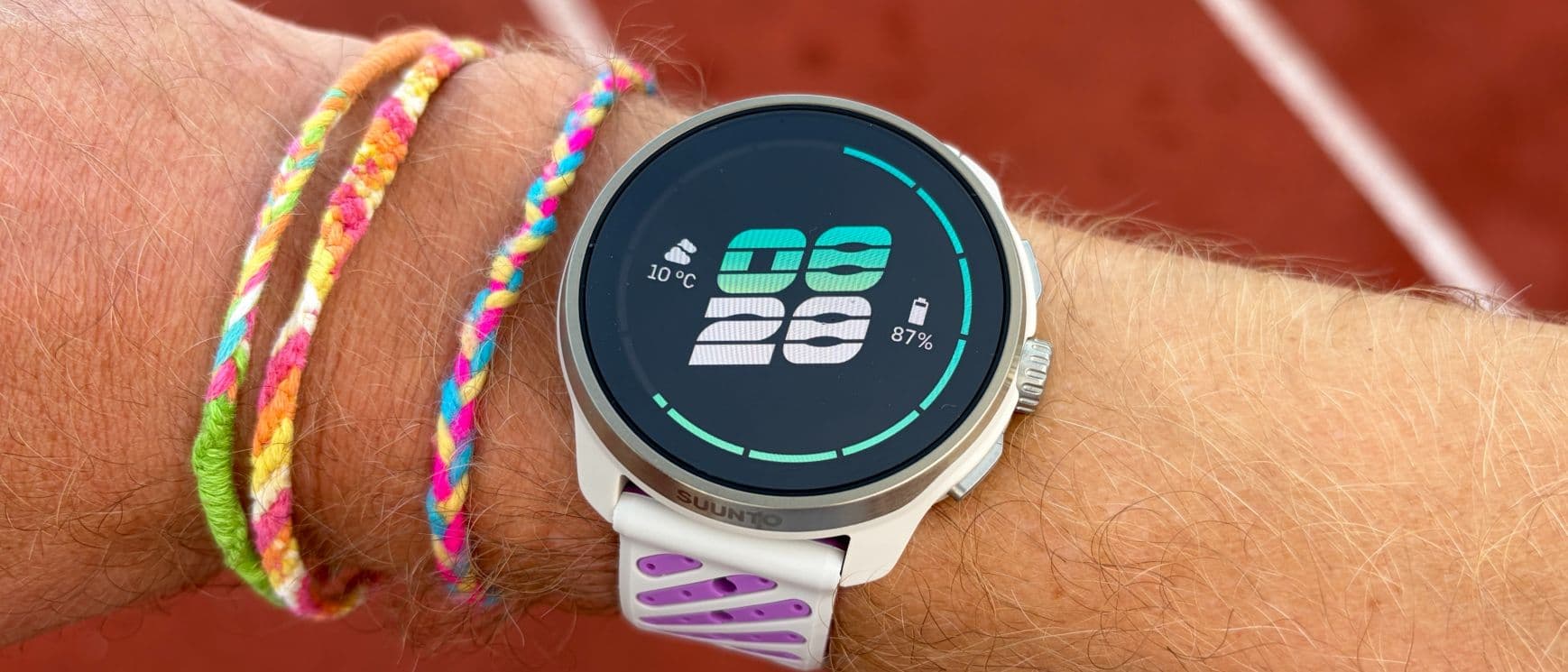
The Suunto Race 3S is a 46mm AMOLED sports watch that brings a titanium bezel, sapphire crystal, 64GB of storage and up to 38 hours of multi-band GPS to a smaller-wrist format. It launched on 15 October 2026 at $599/£435. Tom’s Guide found the core athletic package convincing: accurate GPS, a much improved wrist optical heart-rate sensor and strong battery life. The snag is simple. This is a premium-priced watch in a category where Suunto itself offers cheaper alternatives.
The physical package is the appeal. At 56g with its silicone strap, the Race 3S is thin, fairly light and, according to Tom’s Guide, comfortable for round-the-clock wear. Its 1.32in AMOLED reaches 2,000 nits, three times the brightness of the original Race S display. That matters on exposed runs, rides and race days, when a screen that disappears in bright sunlight is more than a minor annoyance. For the launch details, see our [Race 3S launch coverage](/en/articles/suunto-race-3s-launches-with-titanium-and-38-hour-dual-band-gps-2026-10-16).
Tracking that earns the premium feel
The Race 3S uses multi-band GPS, which uses satellite signals, and Tom’s Guide reports accurate tracks, pace and distance when tested alongside the Garmin Forerunner 970 and Coros Pace 4 Pro. That is the baseline we want at this price, and Suunto clears it. Its maps are bright, quick to pan and zoom, and easy to load through the Suunto app. Routes also show an elevation profile and warn of significant climbs and descents, useful for trail runners and long-course athletes managing what is still ahead.
Heart-rate performance is a bigger step forward than the spec sheet suggests. The upgraded wrist sensor is optical PPG, using light to track changes in blood volume, and Tom’s Guide says it generally matched a chest strap during runs, indoor rides and strength sessions. A chest strap reads electrical ECG signals, so it remains the better reference when intensity changes fast. The Race 3S still had occasional spikes and could take a minute or two to settle on cold outdoor runs. Better than past Suunto efforts, but not faultless.
Strong endurance, awkward value equation
Battery life is good rather than category-leading. Suunto rates the watch for up to 12 days in watch mode and up to 38 hours of multi-band GPS. With high brightness, always-on display and daily GPS runs, Tom’s Guide got five to six days per charge. That should comfortably cover serious training, and the GPS claim makes the watch a sensible prospect for very long events. Training data is extensive, with preset and custom sport modes plus SuuntoPlus extras, while the forthcoming paid Suunto AI Coach offers three free months to buyers who register before 31 December 2026. We have covered that feature in our [AI Coach and titanium case article](/en/articles/suunto-race-3s-adds-ai-coach-and-titanium-case-2026-10-16).
What is missing is polish where the price says there should be polish. Default sport-mode data cannot be edited, custom modes are limited to three screens, and the training analysis leans hard on unexplained acronyms. Maps are non-routable, so the watch follows a planned course but cannot create a route on the fly. There are also no NFC payments, no streaming-music support and no built-in flashlight. The proprietary puck charger differs from other Suunto chargers. Small frustrations, but they stack up at $599/£435.
Our verdict: the Race 3S is for endurance athletes who specifically want a compact, premium Suunto with clear mapping, dependable multi-band GPS and a sapphire screen. It is a strong watch, not the obvious value pick. The cheaper Suunto Run 2 and Coros Pace 4 Pro make the Race 3S harder to justify unless its materials, design and GPS endurance are exactly what you want.
Mentioned watches
Head-to-head comparisons