Garmin Forerunner 265 HRV Accuracy Fails Academic Study
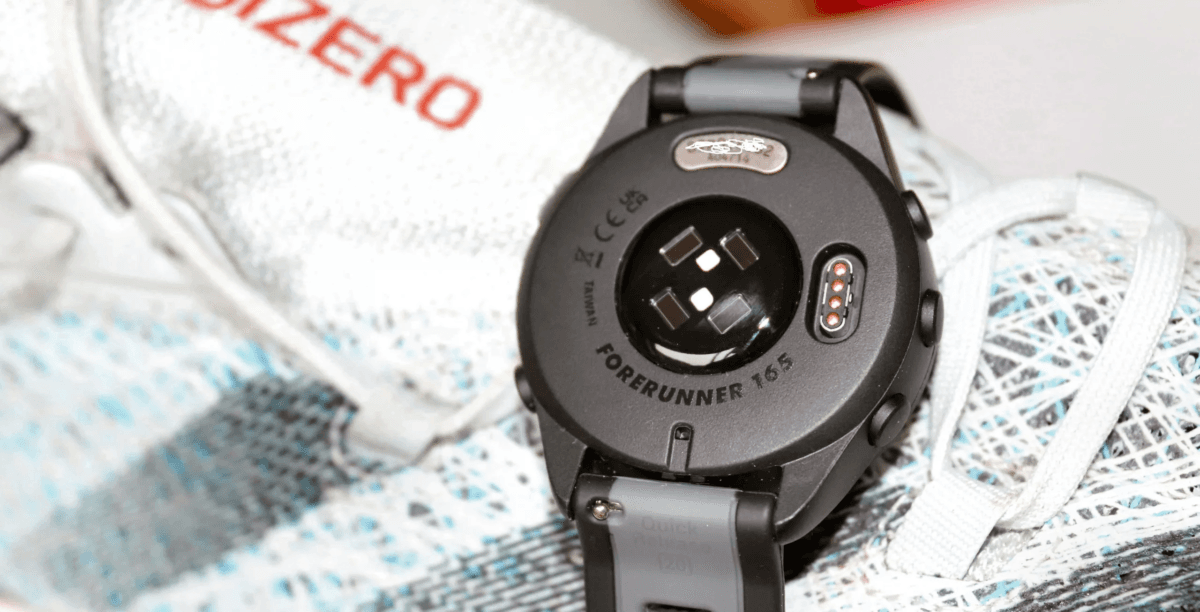
A new academic study put the Garmin Forerunner 265's Health Snapshot feature against an ECG reference, and the results are a clean split. Resting heart rate came out accurate. HRV did not.
The researchers were direct: the 265's HRV data is unsuitable for clinical monitoring, research use, or tracking athlete recovery. That's a serious finding for a watch sitting at $449 that actively markets stress and recovery metrics to serious endurance athletes.
This is not the first time Garmin's optical HRV pipeline has taken a hit in peer review. Whoop and Polar H10 (chest strap) remain the go-to references when research-grade HRV accuracy matters. The Polar Vantage V3 and Coros Pace 3 face similar questions around wrist-based HRV reliability, but Garmin's Health Snapshot was specifically designed to surface this data in a structured, clinical-looking format. That framing raises the bar for accuracy.
For everyday athletes using HRV trends loosely, small daily errors may not derail training decisions. But if you are chasing readiness scores, adjusting training load, or comparing numbers week over week, inaccurate raw HRV values compound fast. A chest strap paired with HRV4Training or Elite HRV still gives you cleaner data for under $100.
Good watch. Flawed HRV. Know what you are actually buying.
Mentioned watches
Head-to-head comparisons
Buying guides