Polar, Oura and Ultrahuman Patent Activity This Week
The week ending 5 November 2026 brought no new in-scope trademarks, but it did bring eight wearable patents and applications led by Polar, Oura and Ultrahuman. The practical takeaway for endurance athletes is modest: these documents point to where brands are investing, especially recovery, sleep and sensor quality, but they do not confirm that a feature is coming to a watch or ring.
Polar looks beyond basic training metrics
Polar filed three applications published on 29 October: Apparatus for Warm-up Smart Coaching, SpO2 Emitter Arrangement and Circadian Rhythm Adaptation. Of those, the warm-up concept is the most immediately relevant to training. A watch that proposes a session-specific ramp-up could be genuinely useful before intervals or a time trial, where arriving at the first hard effort cold is a familiar way to waste a workout. We like the direction, provided it stays adaptable. Athletes need a coach that responds to how they feel and the session plan, not a rigid timer that adds friction before training.
The SpO2 filing concerns the placement of wrist light emitters used to estimate blood oxygen. That is optical sensing, not an electrical measurement, and better signal quality could matter when moving or training at altitude. Still, the published title does not tell us whether Polar has solved meaningful accuracy problems. The circadian application is even less clear, suggesting potential guidance around sleep, light exposure or activity timing for travel and shift work. Useful before a destination race, perhaps, but this category is already crowded with basic jet-lag advice.
Rings keep chasing reliable health data
Oura received a grant on 3 November for illness detection based on temperature data measured through a wearable ring. For athletes, temperature trends can be a sensible prompt to reconsider a hard session when something feels off. But this looks more like legal protection around Oura's established temperature-based work than proof of a major new ring function. Oura also published an application for heart-rate-led biofeedback, likely aimed at breathing or relaxation. That could have value before a race or between demanding sessions, though it belongs firmly in recovery rather than performance tracking.
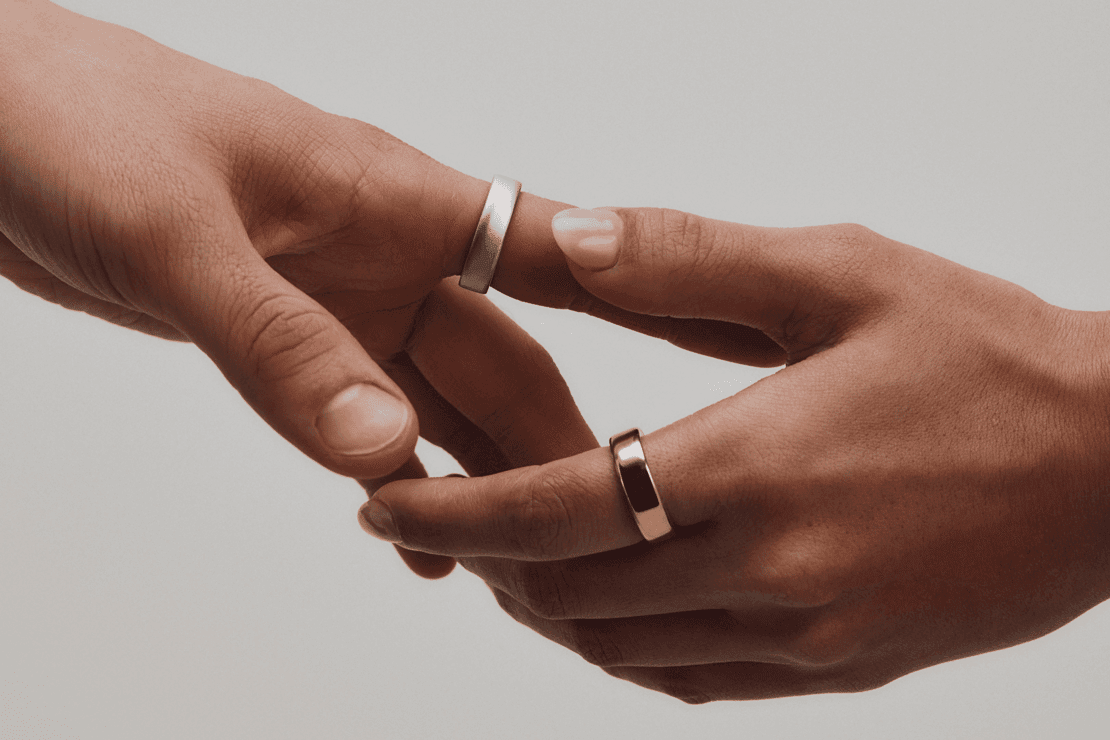
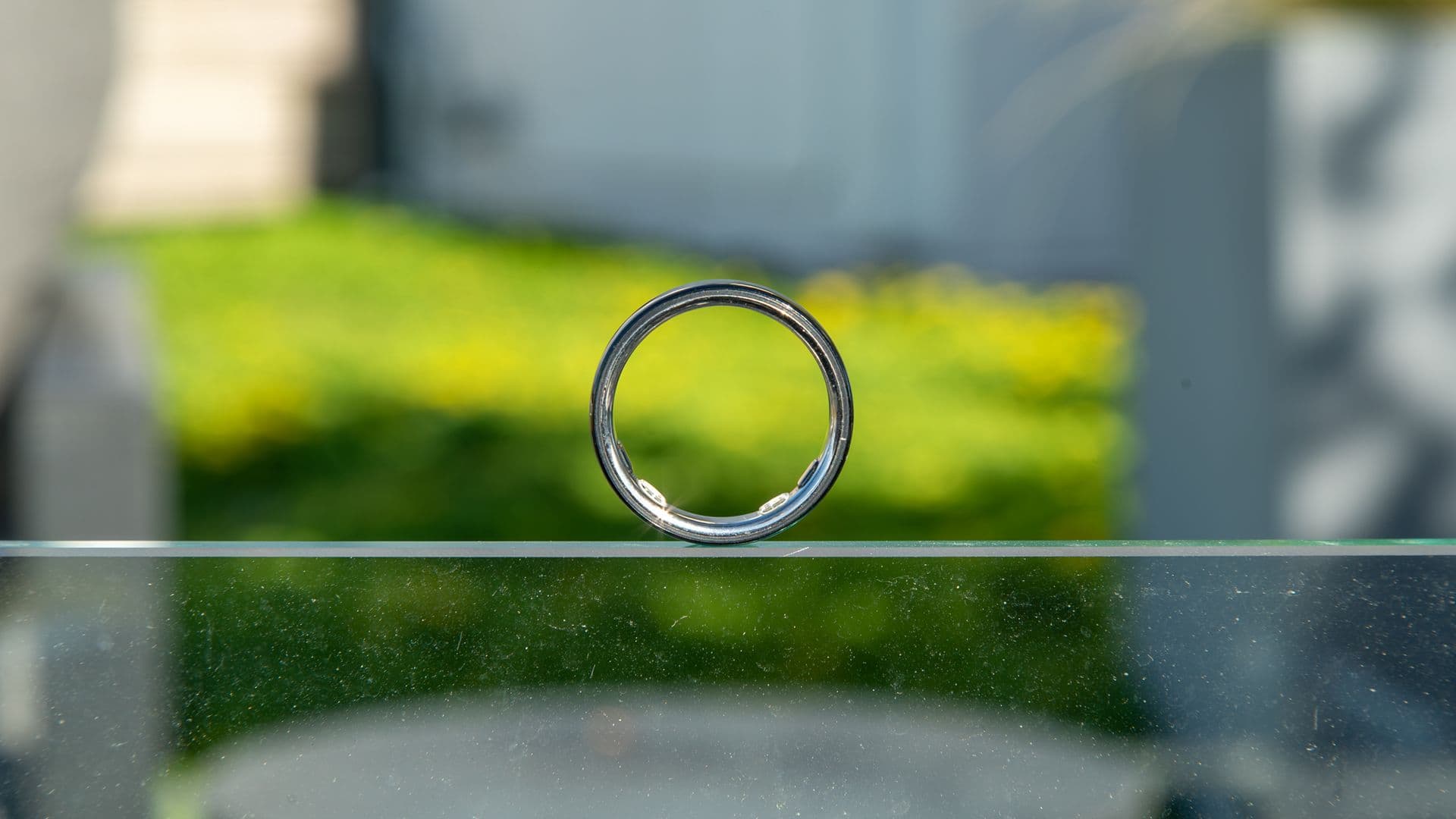
Ultrahuman's newly granted Electronic Ring for Optimizing Health and Fitness Parameters Measured by Optical Sensors is more intriguing for training, at least in theory. Rings use optical sensors to read blood-volume changes via light, and hard exercise remains a difficult setting for dependable readings. If its work improves sensor performance under motion, a ring could become more credible for interval-day heart-rate tracking. That is a big if. The patent title does not reveal the mechanism or prove a finished product. For broader context on this race for better wearables, see our look at [Oura, Amazfit and Samsung patents targeting wearable accuracy](/en/articles/oura-amazfit-and-samsung-patents-target-wearable-accuracy-2026-10-29).
What is missing is the detail that turns patent titles into product news. The5kRunner could not open several records, leaving the claims unread, while Polar has not said whether any current or future watch will use its SpO2 arrangement. Google's application for improved biometric sensing is similarly too broad to tell us what may change on a Pixel Watch or Fitbit. Samsung's granted ring-structure patent is little more than confirmation that it continues to protect ring hardware. Patents are signals. They are not launch calendars.
Our verdict: Polar's warm-up coaching is the most athlete-focused idea here, while Ultrahuman's optical-sensor work carries the biggest upside if it translates beyond paperwork. For now, runners, cyclists and triathletes should treat all of this as an early view of product priorities, not a reason to delay buying current gear.
Mentioned watches